
Which is the first biggest national park in Tanzania? Nyerere National Park, formerly known as Selous Game Reserve, is the largest national park in Tanzania, covering an area of approximately 30,893 km square. The park is positioned southern part of Tanzania and it was named in Honor of Julius Nyerere, Tanzania’s fists president, and holds a significant place in the country’s rich natural heritage. Nyerere National Park is often lees crowded than other famous parks like Serengeti National Park or Ngorongoro Crater, making it ideal destinations for those seeking to experience the natural beauty and wildlife of Tanzania away from the hustle and bustle of more popular parks.
Introduction
Nyerere National Park is a remarkable sanctuary, home to an abundance of wildlife and diverse ecosystems, which include savannas, woodlands, rivers, and lakes. It serves as a critical area for wildlife conservation, providing habitat for many endangered species. The park was designated as a national park in 2019, highlighting its importance for tourism and preservation efforts. And it has great wildlife – big game, cape hunting dogs, sable, roan, greater and lesser kudu, raptors, ostrich, crocs, hippos etc.
But the main point is that this wildlife can be enjoyed in such a variety of interesting habitats within this fabulous place. As one winds around this interesting landscape on small intimate tracks enjoying the wildlife it is easy to understand why the Selous was declared a protected area in 1896 and part of which is now the Nyerere National Park.
Popular Tourism Activities
When visiting Nyerere National Park, a range of exciting activities awaits you. Here are some of the most popular tourism activities to consider:
- Game Drives: One of the best ways to experience the park is through guided game drives. With the help of knowledgeable guides, you will be provided with a comfortable open-roof 4×4 safari vehicle for easy viewing of the animals plus an expert tour guide to take you around the park. during your game drive safari, you’ll have the chance to spot a variety of wildlife, including Lion, Elephant, Rhino, Leopard and Buffalo, Cheetah, Giraffe, Hippo Zebra and a plethora of bird species. Early morning and late afternoon are the prime times for game drives when animals are most active.
- Walking Safaris: For those who want a more immersive experience, walking safaris offer an incredible opportunity to explore the park on foot. It is normally organized during the morning hours and late afternoon to avoid the strongest heat of the day. You will be given some guidelines by the tour guide that you should follow so that you keep safe although an armed ranger will also provide you security during the activity. While on a walking safari, tourist have the chance to encounter with diverse wildlife up close including stunning landscape.
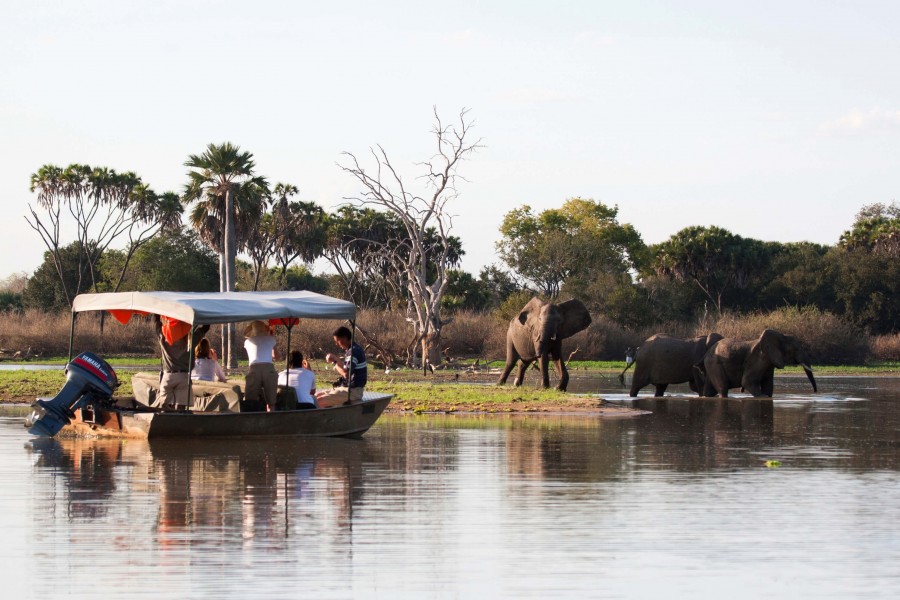
- Boat Safaris: Nyerere is one of the few National Parks within the country that can be explored by boat. Although there are some smaller channels, the river Rufiji is the main path that you will take while boat riding. A boat ride along the river Rufiji will take you around the park with a clear view of the animals and birds. Boat safaris allows visitors to see animals such as hippos and crocodiles in their natural habitat along the riverbanks. Birdwatchers will also find this activity rewarding, as the river is home to numerous species of birds.
- Fishing: Fishing in the park is a perfect way to relax while on a safari. Fishing is mostly carried out at the Rufiji River although you can also go to the smaller channels and swamps within the National Park. Fishing is permitted in certain areas of the park. During a fishing tour, anglers can enjoy casting their lines for species such as tigerfish and catfish. Travellers will be offered with a safe fishing equipment such as fishing rod, bait, and life jacket, to start your fishing expedition in the park
- bird watching safari: Birding safari to Nyerere National Park is one of the most interesting activities in the park. The park has over 400 different bird species living in various natural habitats such as, rivers, swamps, and the vegetation that are found in the park. An experienced tour guide who can identify the bird species will be assigned to you throughout the birding safari. while on your birdwatching tour, you will hance the chance t spot bird such as African fish eagles, white-crowned spur-winged plovers, hornbills, palm-nut vultures, African fish skimmers, pink-backed pelicans, yellow-billed storks and the white-fronted bee-eater among others. The ideal time for a bird watching safari in Nyerere is during the wet season which is between November to May.
Best Time to Visit
Choosing the right time to visit Nyerere National Park can significantly enhance your experience. The park is accessible year-round, but specific seasons offer unique advantages.
- Dry Season (June to October): This period is generally considered the best time to visit Nyerere, as wildlife is more easily spotted due to the thinner vegetation and animals congregating around water sources. The cooler temperatures and lower humidity also make for comfortable exploration.
- Wet Season (November to May): While the wet season brings lush greenery and vibrant landscapes, it can make wildlife harder to spot. However, if you prefer fewer tourists and witness the park in full bloom, visiting during this time can be rewarding. The wet season also coincides with the calving season for many species, providing an opportunity to see young animals.
Accommodation Facilities
Nyerere national park offers various accommodation options catering to different budgets and preferences. the accommodations found here ranges from luxury, mi-range and budget level such as include Roho Ya Selous, Selous wilderness camp, Mivumo River Lodge, Beho Beho, Kiba Point Selous Lodge, Selous Serena Camp, Siwandu Camp and Selous Impala Camp.
How to Get There
Getting to Nyerere National Park can be an adventure in itself, and it’s crucial to plan your journey in advance. If you choose to travel by road, there is a route from Dar es Salaam, the road to Selous. The road is usually well-kept, but its a good idea too check its condition after the main rainy season in April and May. One using air transport can use the scheduled flights from Dar es Salaam and Zanzibar with a flight time that can take less than an hour.
Taking the train to the park can be quite an adventure. You can ride the TAZARA train from Dar es Salaam, which runs to Zambia. Trains leave Dar twice a week on Tuesdays and Fridays, and the journey takes around 4.5 hours.
Nyerere National Park represents a unique and pristine wilderness experience in Tanzania. With its vast landscapes, diverse wildlife, and relatively low tourist traffic, it offers an escape into nature that many travel. It can be combined with other national parks in the northern circuit like Serengeti national park and Ngorongoro Conservation area or even in combination with Zanzibar. contact us to get assistance from the experienced travel experts at Focus East Africa Tours.