
Weather and Climate of Kidepo Valley National Park : Kidepo Valley National Park is among Africa’s true wilderness Park with so many virtually pure and untouched attractions. It is situated in the extreme North Eastern Uganda bordering Kenya and South Sudan. The Park is surrounded by Karamojong people; a tribe that still holds a sound rich cultural values and paying a visit to this place will leave a memory that you will live to remember. This isolated and remote national park consists of mainly rugged Savannah, hills and great valleys that are surrounded by the Morungole Mountains.
The semi-arid conditions in Kidepo, mountains, Savannah grasslands, plains and wildlife combine to make Kidepo the park with the best landscape in Uganda. Kidepo is also the best national park to go for wildlife viewing because of the great numbers of wildlife gathering at a single point.
The climate in Kidepo Valley National Park is semi-arid. Droughts are common. Temperatures can reach as high as 40 degrees Celsius (104-degree Fahrenheit), but the average is 30 degrees Celsius (86-degree Fahrenheit) in the afternoon and 16 degrees Celsius (61-degree Fahrenheit) at night. There is one Wet season (differing from two Wet seasons in most of the country) from April to August.
Dry Season–September to March
- September, October and November
In Kidepo Valley National Park, the months of September, October, and November signal a shift from the rainy season to the drier times of the year. You might still experience some rainy days during this changeover. As the days progress, the weather becomes warmer; you can expect afternoon temperatures to reach around 31 degrees Celsius (88 degree Fahrenheit). Mornings, on the other hand, will be cooler, with temperatures dropping to about 16 degrees Celsius (61 degree Fahrenheit).
- December, January and February
In Kidepo Valley National Park during December, January, and February, the weather becomes quite dry and hot. During these months, there’s hardly any rainfall. January and February, in particular, are known for their warmth, with average daytime temperatures around 31 degrees Celsius (88-degree Fahrenheit). In the mornings, it can be a bit cooler, sitting at about 18 degrees Celsius (64-degree Fahrenheit). However, don’t be surprised if temperatures soar, as they can reach highs of 40 degree Celsius (104-degree Fahrenheit) during the day.
- March
In March, Kidepo Valley National Park remains pretty dry, but the early rains start to arrive. These showers bring a refreshing change, cooling down the heat and helping to clear away the dust that has built up during the dry spell.
Wet Season–April to August
- April, May, June, July and August
In Kidepo Valley National Park, the weather during the months of April, May, June, July, and August typically brings afternoon rain showers. While these showers may be refreshing, Kidepo generally receives less rain than parks located further south. During the Wet season, temperatures tend to drop a bit, making it the coolest time of year; however, daytime temperatures still hover around a warm 29 degree Celsius (84-degree Fahrenheit). In the mornings, you can expect cooler conditions, with temperatures around 16 degrees Celsius (61-degree Fahrenheit), offering a nice start to the day.
Frequently asked questions about weather and climate Kidepo Valley National Park alongside its safaris.
What is the weather like in Kidepo Valley National Park during the day?
The weather in Kidepo is quite pleasant during the day. With average temperatures ranging from 24-29 degree Celsius (75–84-degree Fahrenheit), it’s ideal for game drives or walking safaris. However, the heat can be intense at times, especially during the peak sun hours between 11am and 3pm. It’s essential to stay hydrated and bring plenty of sunscreen to protect yourself from the sun. The dry season, which runs from December to March, is an excellent time to visit, as the heat is bearable, and the skies are clear.
Can I expect extreme temperatures in Kidepo Valley National Park?
While Kidepo Valley National Park’s temperatures can fluctuate, extreme conditions are rare. The dry season from December to March is usually characterized by clear skies and warm temperatures, ranging from 24-29 degree Celsius (75–84-degree Fahrenheit). The wet season from April to November brings some rain and slightly cooler temperatures, but still averages around 23-28 degree Celsius (73–82-degree Fahrenheit). The park’s high altitude, ranging from 1,100 to 2,300 meters (3,600 to 7,500 feet) above sea level, means the temperature difference between day and night is not extreme.
Is there a best time to visit Kidepo Valley National Park for safaris?
The best time to visit Kidepo Valley National Park for Uganda safaris depends on your preferences. The dry season from December to early March are the ideal for wildlife viewing. During this time river Kidepo and Nurus dry up and leave small oasis where the animals gather in large numbers to drink. This animal gathering provides perfect opportunities for wildlife viewing and photography. The rains bring back the rivers and the animals tend to disperse and feed in smaller groups because there is plenty of food and water everywhere. The cooler months from June to August are perfect for walking safaris or hiking, as the low humidity makes for comfortable hiking conditions. Unfortunately, during the wet season, some of the animals move to higher ground to avoid getting wet down at the rivers and swamps forcing tourists to go out looking for them.
Can I see wildlife during the wet season?
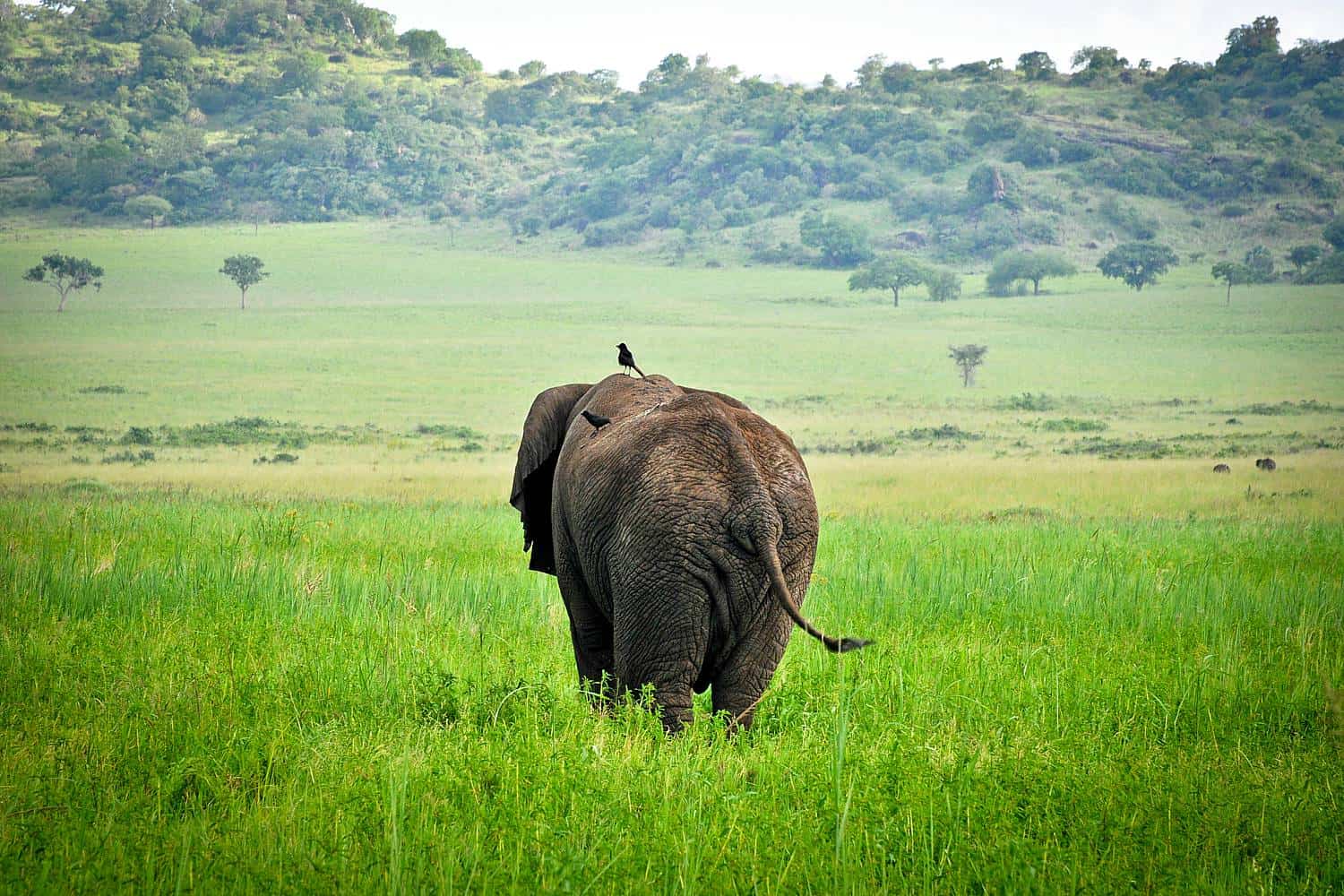
Yes, you can definitely see wildlife during the wet season in Kidepo Valley National Park. While some animals may be harder to spot as they seek shelter during heavy rain, the lush landscapes attract many species, making this a unique time for wildlife viewing. Animals like Zebras, Oryx, cheetahs, wild dogs, aardwolf, buffalo, caracal, jackal, Klipspringer, elephants, giraffe, hyena, bat-eared fox, leopards and lions. The park is also the home of 450 species of birds that are commonly seen in the park.
Some of these birds include the ostriches, the Egyptian Vulture, Pygmy Falcon, Karamoja Apalis, Black-breasted Barbets, Yellow-billed Shrike, the attractive silver bird, Nubian woodpecker, Mosque swallow, Vinaceous Dove, and Verreaux’s Eagle among others. The wet season also means there’s a higher likelihood of seeing newborn animals. Just be prepared for sudden rain showers and stay alert, as the wildlife remains active even in the wet conditions.