Why visit Ngorongoro Crater?
Ngorongoro crater is the world’s largest unbroken, intact and inactive volcanic caldera. It’s known as Africa’s Garden of Eden and was dubbed the Ngorongoro by the local Masai people; this is to mean “gift of life.”
Ngorongoro crater is 64 kilometers wide and 264 kilometers squared; it’s also been recognized by UNESCO as a world heritage site. The crater is known to harbor the highest concentration of elephants in the whole world.
Ngorongoro crater conservation Area is one of Africa’s seven natural wonders and it was established as a national Park in 1959 covering an area of 8,292 square kilometers. The crater was formed a million years ago when a volcano collapsed on itself, forming an inactive crater.
Explore wildlife
Ngorongoro crater is filled with over 25,000 animals, some of which include lions, zebras, elephants, black rhinos, wildebeests, buffalos, cheetahs, hippopotamuses, warthogs, waterbucks, giraffes, klipspringers, impalas and many more the best time for wildlife watching is in the dry season when the vegetation is thin and wildlife is very visible.
Cultural experience
Visit the Masai people, whose villages can easily be recognized when driving in the park, the Masai displaced the hunter-gatherer tribes that lived in the Ngorongoro and Serengeti areas in the 1800s. The nomadic pastoralists are well known by tourists all over east Africa because they stay in areas surrounding national parks. They have very unique ways of life and culture untouched by modernity.
Olduvai Museum
Oldupai museum is found in Olduvai Gorge, where the remains of the oldest remains of humans were excavated; it’s one of the most significant places on earth.
Laetoli
This is a 27 meter long trail found 45 kilometers south of Olduvai Gorge; it’s also an important archeological site where the 3.7 million-year-old hominid footprints are found.
Birding
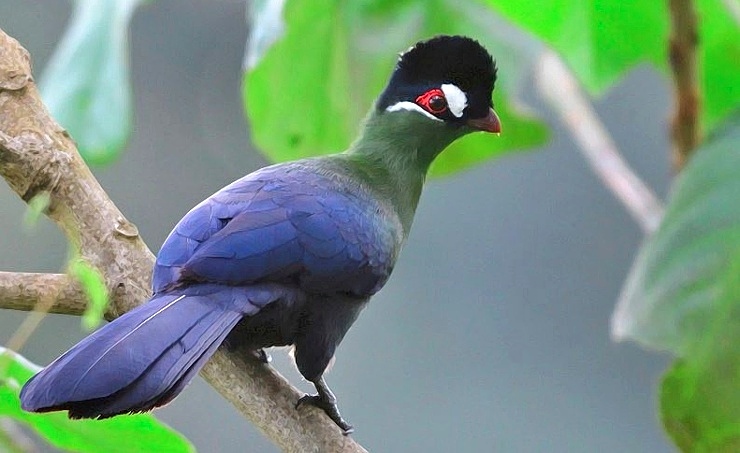
Ngorongoro crater also boasts as a birders’ destination in Tanzania; this is the reason bird enthusiasts make it one of their destinations the park is endowed with over 400 species of birds; some of the examples include Livingstone’s turaco, northern anteater chat, scarlet-chested sunbird, Augur buzzard, capped wheatear, Hartlaub’s turaco, Kori bustard, Namaqua dove, verreaux eagle and white-eyed slaty flycatcher, among others. The best time for bird watching is from November to April, when migratory birds are available.
Lake Magadi
Lake Magadi, a saline alkaline lake found within Ngorongoro and one of the places people visit, harbors thousands of flamingoes and wading birds; the lake covers a surface area of 100 square kilometers that is Why visit Ngorongoro Crater?.
Ngoitokitok springs
Ngoitokitok springs is a scenic area in Ngorongoro; the springs form up a small lake known as hippo pool near Gorgio swamp, tourists can have a picnic lunch here and enjoy views of zebras, hippopotamuses, elephants, warthogs, gazelles, vervet monkeys and birds like crowned cranes and fish eagles.
The best time for visiting Ngorongoro crater is in the dry season when wildlife can easily be spotted and the roads to the park are accessible and in good condition. Though the wet season is also favorable for seeing migratory birds and wildlife as well.
Tourists visiting Ngorongoro crater can select from various accommodation units ranging from luxurious hotels to budget lodges some of the accommodation in the park includes Lake Ndutu luxury tented camp, Ngorongoro Serena safari lodge, Aag’ata migration Ndutu camp, Ngorongoro sopa lodge and Ngorongoro forest lodge among others.