
Ultimate Guide to Tanzania Great Migrations
You probably have heard of the Great Migration in the Serengeti or watched a short video of wildebeest herds crossing the mighty Mara River. This event highlights some of Tanzania’s greatest natural wonders – some as grand as the Serengeti migration and others smaller but equally remarkable. In this article, we feature four animal migrations you should know. Let’s explore.
The Wildebeest Migration, Serengeti National Park.
This is the movement of nearly 2 million wildebeest and zebras in the Serengeti-Mara ecosystem, from the south to the north. The journey is always accompanied by many challenges – predators, Nile crocodiles, and diseases – as animals cover over 800 kilometers in search of fresh grass.
What’s unique about this event is that it has been happening for a million of years. Animals follow the age-old route as they expect to find green grazing grounds. Researchers studying this event have assumptions. They can sniff rainfall miles away, the argument goes. Some say they’re equipped with a natural capability to detect thunderstorms.
So, when should you plan to see this mammal migration? That depends on your interest. Want to see baby animals? Then plan wisely. About half a million calves are born between January and March. This season brings predators in action as they eye vulnerable newborns.
Want to witness a river crossing? Then June through October is the right time. Animals cross two giant rivers, the Grumeti and Mara, before entering the Masai Mara. For many nature lovers, this is a prime time to see migration and visit add-on places like the Ngorongoro Crater.
Wildlife Migration, Tarangire National Park.
Tarangire National Park is a 2,850-sq-km expanse in northern Tanzania just 140 kilometers from Arusha. Often overshadowed by the Serengeti and Ngorongoro, this park offers an unforgettable safari experience. It’s also a thriving locale for birdwatching and off-the-beaten-track adventures.
Tarangire has its very own wildlife migration happening every year, from June to October. The event features a variety of animals, but elephants earn more credit. These grey giants will move from other areas searching for a reliable water source. And they are always seen on the banks of the Tarangire River that cuts through the center of the park. And near the Silale Swamp in the remote south. As they dig holes near water bodies, they create water sources for other animals.
Elephants are joined by other animals, including zebras, wildebeest, antelopes, and predators like lions, leopards, and hyenas. As a result, there’s a congregation of animals near the banks of this river, making game viewing spectacular. As prey become abundant, predators are brought into focus. So, there’s much to expect.
Flamingo Migration, Lake Natron.
Large flocks of lesser flamingos are often seen on shore of a lake said to be hostile to many life forms: Lake Natron. Named after ‘natron’, an alkali it contains in large amounts, this shallow lake is less than 6 meters (16 feet) deep. This lake is hostile to nearly every life form except flamingos and acolapia fish.
The lake is extremely alkaline and is said to calcify animals that fall within its range; hence, it is dubbed the lake that turns animals into stone. But it’s a safe breeding ground for lesser flamingos. Because no predators can take advantage of either their eggs or hatchlings.
Flamingos migrate to Lake Natron between September and November from other places such as Lake Nakuru and Lake Bogoria in Kenya. Some even come from Lake Manyara and Lake Eyasi to find safe breeding grounds. Here, they feed algae, diatoms, and small crustaceans (like brine shrimp), which are abundant in Lake Natron.
Whale sharks migration, Mafia Island.
Another remarkable migration is the migration of the whale sharks in Mafia Island. The giant Rufiji River carries plankton and other nutrients from the mainland into the Indian Ocean near this island. As a result, Mafia Island teems with many marine species, such as whale sharks, hammerhead whales, and humpback whales.
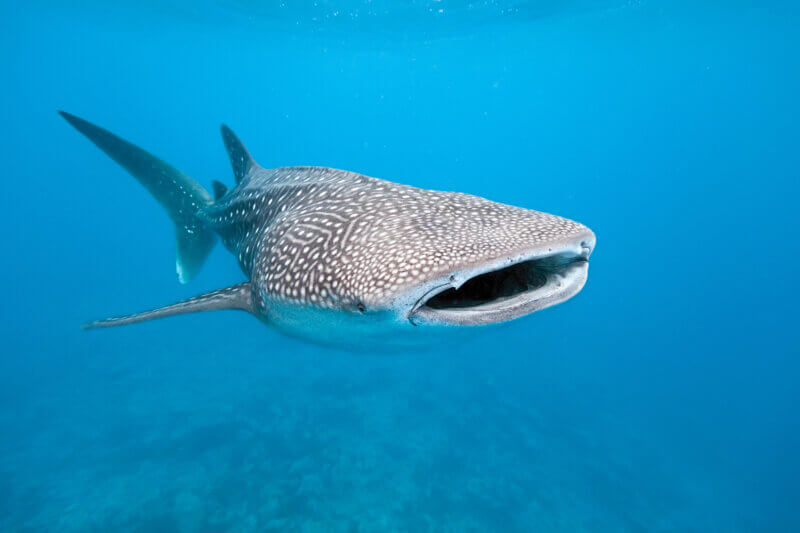
From October to April, these marine creatures migrate to Mafia Island. The number of whale sharks increases by more than 80%. People often visit this island to see them or to swim with them. Don’t worry, whale sharks eat plankton only, not people.
Planning your migration safari.
No matter what migration you’re going after, deciding on the right time is important. The wildebeest migration, however, is a year-long event, with spectacular events happening. With this event, you’re the one who decides which event you want to see. Other migrations last for several months. Make sure you plan wisely. Let’s help you craft your itinerary.