
Types of safaris: what are the different types of African safaris? Going on an African safari probably conjures up images of driving an open 4×4 through the savannah. And that’s definitely fantastic! But did you know that you could also enjoy five completely different types of safaris? Africa is home to a staggering number of top-notch parks and reserves. In fact, a lot of them actually define what it means to be “world-class”!
These parks contain a variety of wildlife and environments that you could only wish for. We’re discussing the Great Wildlife Migration, the Big Five, and other animal favorites like giraffes, hippos, and cheetahs. We’re also talking about salt pans dotted with animals, bird-filled wetlands, and rivers hiding sneaky crocs and hippos. Additionally, we’re referring to fantastical formations like enormous anthills scattered with bee-eater nests, lazily flowing river channels teeming with waterbirds, and riverbanks populated by thirsty antelope and elephants.
You can be sure that wherever you go in Africa and whatever kind of safari you go on, it will be a once-in-a-lifetime experience. But with so many options available, how do you know which is best for you and where to try them? Let’s examine the various types of African safaris, starting with the traditional game drive and moving on to more specialized terrain.
GAME DRIVES
This safari activity is the most well-liked, and for good reason. In a game vehicle, you can travel farther and see more wildlife. With your guide and your tracker excluded, the game vehicle can accommodate 6–8 players. Early in the day, late in the day, and occasionally even at night are the best times for the game drive. The wildlife is seen in a completely different light on night game drives, which are incredibly unique. While you travel beneath the picture-perfect stars of the African night sky, your guide or tracker will use spotlights to reveal wildlife in trees or on land.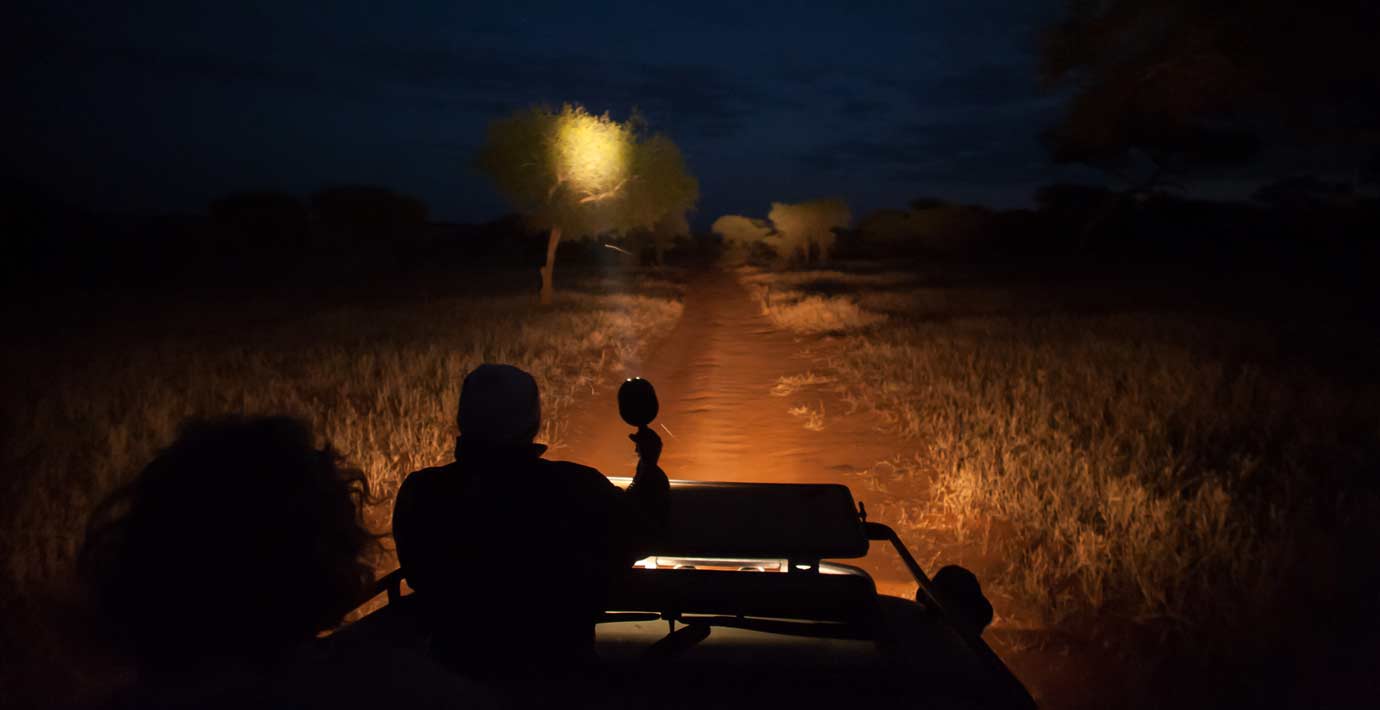
WALKING SAFARIS
It’s not accessible in all national parks or reserves, but if it is, it’s a fantastic activity. This includes a guided walking tour of the park or reserve, which allows you to further immerse yourself in the stunning topography, flora, and fauna, as well as the habitats of the local wildlife. This offers a chance to see the smaller, less noticeable animals, including, to name a few, the tiny lion ant, rhino beetle, and leopard tortoise.
AERIAL SAFARIS
This can take the form of a helicopter ride, a microlight flight, or a hot-air balloon ride. This is the ideal method for obtaining an aerial perspective of Africa’s vast landscapes. You will experience a small portion of what an aerial safari has to offer if you are making any kind of air transfer. However, among the aerial safaris, hot-air balloons are the most popular. They provide a truly one-of-a-kind experience, as people frequently comment on how they make them feel peaceful and weightless as they float over the ground below.
WATER SAFARIS
Water safaris are the best way to see animals because they depend so heavily on water sources in Africa, especially during the hotter summer months. Wildlife can be seen in channels, rivers, and lakes both above and below the water, offering a peaceful and leisurely exploration of various habitats and landscapes. On a powered boat or, alternatively, in a mokoro (traditional dugout canoe), you can go on a water safari while being accompanied by an expert guide who will help you navigate the waterways.
HORSEBACK SAFARIS
On horseback, you can enjoy the wilderness in one of the most unusual ways. You will follow your guide on trails and tracks to areas, locations, and reserves where vehicles may not be allowed, which are typically only accessible to semi-skilled and skilled riders. Additionally, the advantage of riding a horse is the ability to quietly approach wildlife, which makes for excellent photo opportunities.
CYCLING SAFARIS
Africa offers a variety of cycling safaris, from flat, easy rides through savannah and grassland to difficult rides in the hills or mountains. You should visit the lowland parks if you want to see traditional African wildlife, such as elephants, giraffes, zebras, and antelopes. But you should typically move toward more hilly terrain if you want to see lots of primates.