
Things to do in Kenya other than Safari tours : Kenya is without a doubt one of the top safari destinations in Africa; it is widely recognised as the birthplace of safari. Kenya is home to breathtaking and beautiful beaches along its Indian Ocean coastline in addition to unmatched Kenya wildlife safaris in areas like the Masai Mara National Reserve , Tsavo National Parks and Amboseli. Kenya tours offer the kind of vacation safari tour experiences that many only dream about, from seeing the Big 5 on daily game drives to taking in the sight of the Wildebeest Migration from the comfort of a hot-air balloon or finding unusual Kenya safari tour activities in the Masai Mara other from game viewing. However, what if you’re looking for activities in Kenya that don’t include going on a safari? Look no more ,these are the top kenya safari tour activities other than taking a traditional safari, including fly fishing on the highest peak in the nation or visiting an island that has served as the hub of Swahili culture for more than 700 years.
Climb Mount Kenya
Mount Kenya is the highest mountain in the Kenya and the second highest in Africa, behind Mount Kilimanjaro, at slightly over 3,800 meters (17,000 feet) in height. The massif consists of three main peaks: Point Lenana, which is difficult but doesn’t require technical climbing skills, and Batian and Nelion, which are the two highest and most technical climbs. The three primary routes that most climbers use to ascend and descend are Naro Moru, Sirimon, and Chogoria. Completing these climbs typically takes five days. If you’re an energetic travellers, trekking through breathtaking alpine scenery featuring lakes, glaciers, mineral springs, and alpine forests is one of the greatest things to do in Kenya. For the more daring, there are other camp sites scattered around the mountain, and a number of resorts provide extra amenities like horseback riding tours, guided nature hikes, and trout fishing in Kenya. The mountain is home to several lakes and streams that are home to legendary-sized rainbow trout, making them some of Kenya’s greatest fly-fishing spots.
Enjoy Water sport activities in Diani Beach
Diani Beach is the place to go if you want to engage in water sports like snorkelling and scuba diving in Kenya. It’s recognised as one of the top water sports locations in East Africa. It is located roughly 30 kilometres (19 miles) south of Mombasa and boasts a vibrant environment that has long drawn beachgoers looking for a traditional sun and sea vacation. Diani Beach has a variety of luxurious private villas and boutique hotels that are all conveniently close to the spotless white sands and shallow, safe waves that are ideal for paddle boarding, kayaking, jet skiing, and kitesurfing. Additionally, Diani provides some of Kenya’s best scuba diving if you want to spend some time underwater. Green and hawksbill turtles, triggerfish, moray eels, clown fish, stingrays, enormous manta rays, and whale sharks can all be found in the surrounding coral reefs and pinnacles.
The best time to enjoy scuba diving in Kenya is between April and November; if you want to see the migrating whale sharks and manta rays, you should travel between January and March.
Bioluminescence in Kilifi
Bioluminescence is the generation and release of light by a living organism. It is a common occurrence in terrestrial arthropods such as fireflies, as well as marine vertebrates and invertebrates. Bioluminescent plankton and the Kilifi Creek is located farther up the coast from Diani Beach. There are few sites in the world where the distinctive and stunning show of glowing plankton is produced like in Kilifi. In the evening, the tidal creek is illuminated by natural bioluminescence. This phenomenon is caused by the motion-activated plankton which illuminates the water as you swim around. The best time to enjoy the experience is May through October.
Kilifi is also home to the annual Kilifi Wellness Festival, Kenya’s first boutique wellness event. This is a four-day event, which takes place on the romantic, outdoor waterfronts of Bofa Beach and Kilifi Creek. It is devoted to holistic healing through wellness seminars, treatments, and workshops.
Adopt an Elephant or a Rhino at The Sheldrick Wildlife Trust
Other than going on Kenya Orphaned elephants, rhinos, and other species from all throughout Africa are rescued, cared for, and eventually rehabilitated by the Sheldrick species Trust. The Orphans’ Project provides hope for the survival of Kenya’s rhino and elephant populations, which are in danger owing to deforestation, drought, poaching, and habitat degradation brought on by human strife. Adopting an orphan from the Sheldrick Wildlife Trust in Nairobi can help the Orphans’ Project by providing life and hope to a needy animal for as low as USD 50 a year.
The following will be part of your digital adoption:
- An adoption certificate with a personal touch.
- A monthly email with project and orphan updates
- An artwork every month in watercolour by Angela Sheldrick
- Access to exclusive material, such as pictures, films, and the Keepers’ Diaries
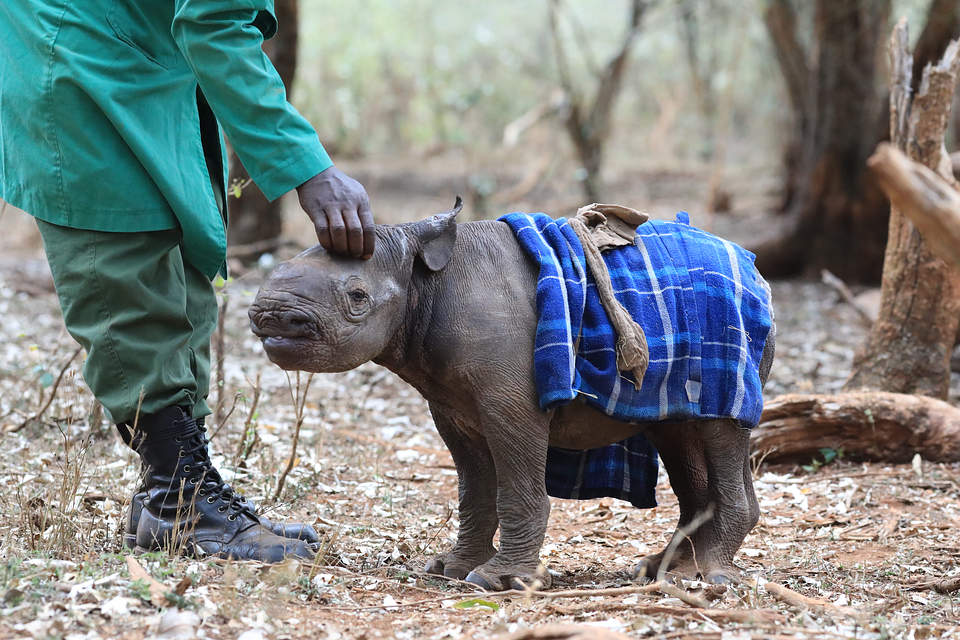
Every day from 11:00 to 12:00, the Sheldrick Wildlife Trust hosts a public viewing that can get rather crowded with plenty of tourists. If you’ve adopted a pet, you can take advantage of the private viewings at 15:00 for a closer look. One of the most moving experiences in Kenya is walking among the young elephants with their caretakers.
Go for Birdwatching in Lake Nakuru National Park
During a road safari between the Masai Mara and Samburu, a day trip to Lake Nakuru National Park is among the greatest things to do in Kenya because the park is home to healthy populations of large mammals in a limited area. It provides consistent sightings of the rare Rothschild giraffe, white rhino, buffalo, eland, waterbuck, and lion. Lake Nakuru, which is a stunning environment with amazing photo opportunities, is a component of the Kenya Lake System, a natural heritage site in the Great Rift Valley.
The best time to visit the park for birdwatching is between November and April. During this period you will see large flamingo flocks that cover large areas of Lake Nakuru’s shallow waters. Regretfully, after the tremendous floods that occurred between 2012 and 2014, their numbers have drastically dropped. The flamingos require a saline habitat for feeding and breeding, which cannot be sustained in the lake’s current deeper, less alkaline waters. Though not as numerous as they once were, flamingos can still be seen at Lake Nakuru. The highlight of the park, nevertheless, for serious birdwatchers, is Lake Nakuru’s incredible wildlife. It is a birding safari destination in Kenya with more than 400 species can be found there, including the wonderful white pelican, the larger and lesser flamingos, the Hottentot teal, the greater blue-eared starling, the long-tailed widowbird, and an amazing array of raptors like the Verreaux’s and long-crested eagles.