
The main three tourist seasons in Tanzania : A Comprehensive Look at Tanzania’s Three Main tourist Seasons: The best time to visit Tanzania: Tanzania is one of the best safari countries in Africa and draws many tourists each year from all over the world due to its numerous safari attractions like Mount Kilimanjaro, Zanzibar Island, the Ngorongoro Crater, and the Serengeti National Park, as well as numerous activities like walking safaris, game drives, horseback safaris, birding, etc., Tanzania is a tropical nation with diverse climates according to height and region. In contrast to the hot, humid eastern shore and beach areas, its northern region offers a pleasantly mild environment due to its diverse landscape.
The dry season, which runs from July to October, is when most tourists visit Tanzania, although the best time to go depends on your travel objectives and interest. Are you visiting during the southern Serengeti’s calving season or the northern Serengeti’s river crossings, or are you hoping to encounter the Big Five in more sedate surroundings? Is it your ambition to scuba dive in Zanzibar’s Indian Ocean seas or to visit Mahale National Park to observe the chimpanzees? All of these are the things you have to ask yourself when choosing your best time to visit Tanzania
Your chances of seeing all the species on your wish list will depend on the season because the wet season heavily influences the positions and migrations of the animals throughout the year. As a result, we’ve put together a summary of what Tanzania’s weather and animals can be like during the various months and seasons. Understanding what’s happening and when will offer you the best chance of living up to your expectations on safari, even though any weather reports and wildlife movement data are subject to change.
TANZANIA: THREE MAIN TOURISM SEASONS
Apart from the usual variations in seasonal starts and finishes, Tanzania has three main tourist seasons:
- The Dry Season (June to October)
- The shoulder season (November to February)
- The rainy season (March to May)
- JUNE TO OCTOBER: THE BEST TIME TO SEE THE GREAT WILDEBEEST MIGRATION RIVER CROSSINGS IN SERENGETI
The Great Wildebeest Migration, when about two million animals are on the move in search of food and water, is one of Tanzania’s best-known attractions. And thousands of tourists flock to the Northern Serengeti between July and October to see this sight, while others wait at the Grumeti Rivers in the Western Corridor to see the river crossings. Massive herds of zebra, antelope, and wildebeest will gather along the rivers’ banks, while predators lurk in the shadows. The creatures finally dive into the water and begin a life-or-death race, propelled forward by the pressure from behind them and their desperation to reach the other side, The main three tourist seasons in Tanzania.
The sun is shining, the air is chilly and dry, and wild animals tend to congregate near the last few water sources. The optimum time to see the most wildlife will be when the wildebeest herds are traveling in search of food and water. At this time of year, the park is full of safari jeeps. Due to the intense demand, the majority of camps and lodges will be booked solid, and you may anticipate paying a premium.
- END OF DECEMBER TO MARCH: THE CALVING SEASON
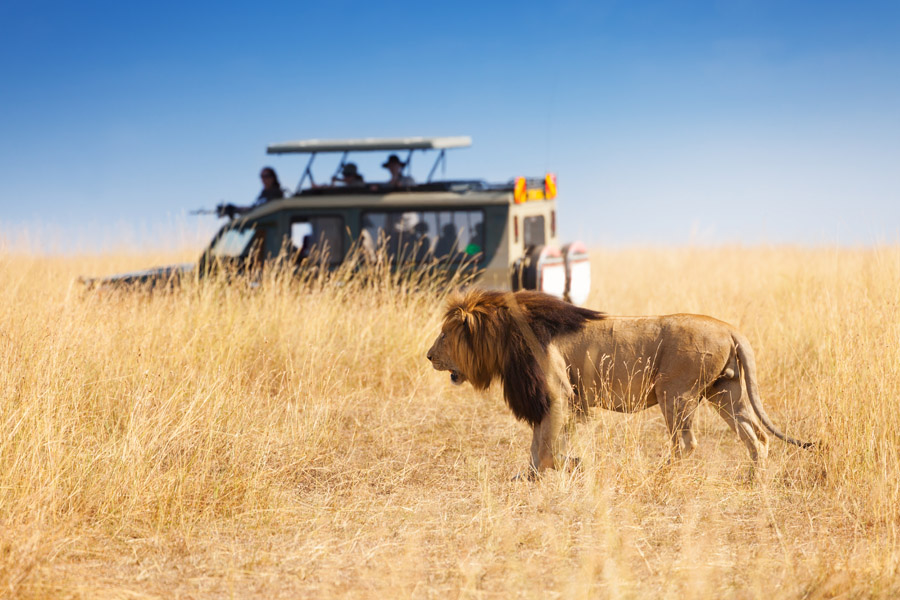
The Southern Serengeti’s plains experience a flurry of calving activity from the end of December to the beginning of March as the ranks of wildebeest give birth to hundreds of calves every day, attracting a large number of predators. You have the best possible chance of viewing predator-prey interaction at this time of year and location, when predator density is at its peak.
The greatest time to ascend Mount Kilimanjaro may be around February. The nights will be most comfortable at the mountain’s summit because they are cooler down at its base. This time of year in the Serengeti is sweltering despite the occasional shower or cooler trade winds that provide momentary relief from the heat. From mid-December until mid-January, high-season rates are in effect.
- MARCH TO MAY: THE GREEN SEASON
The “green season” in Tanzania, which lasts from March through May, is significantly quieter. Despite the possibility of rain, this is an excellent time to go bird watching because thousands of migrating species are in the area. The lush environment will turn green during these months from heavy rains, and the roads will become muddy. Due to the low season, some lodges and camps will likely offer steep discounts. Walking around parks and watching birds are the nicest activities during this time. The only time travelers choose to steer clear of Tanzania is between April and May, when heavy downpours can make it difficult to see animals but the sun will still shine occasionally, The main three tourist seasons in Tanzania.
HOW TANZANIAN WEATHER, CLIMATE, AND SEASONALITY CHANGE FROM MONTH TO MONTH
As previously stated, you must base your plans on the species you are most eager to see on your safari. A beautiful but extremely complex cycle links the weather, the Great Migration, the availability of water supplies, grasslands, etc. The landscape will change as a result of this cycle, having an extensive impact on all aspects of tourism and safari trips. Let’s see how Tanzania evolves over the course of the year to better comprehend this.
JANUARY
Tanzania experiences hot, dry weather in January, which is ideal for hiking and tanning on white-sand beaches. From November to March, there is a considerable chance that you will see whale sharks off Mafia Island, which is south of Zanzibar, if you prefer snorkeling or scuba diving. And of course, January ushers in the start of the wildebeest calving season in the Southern Serengeti ecosystem’s Ndutu plains.
Visitors will be amazed by the huge quantity of wildebeest gathering here because up to 8,000 calves are born every day. To shield as many members of the herd as possible from the approaching prey, the males encircle the females. Did you know that hours after birth, wildebeest calves can begin to walk on their own?
FEBRUARY
February is still hot, but there have been sporadic rains to help cool things off. For the hundreds of thousands of animals in the Southern Serengeti during calving season, these sporadic showers result in a greener landscape and much-desired fresh grass. Birds enjoy the rain, and people will enjoy hearing their happy tweeting. Avoid missing Zanzibar’s Sauti za Busara music festival if you decide to visit the beaches in February and groove to Tanzanian hip-hop and pop. The Kitulo National Park, which is near the Zambian and Malawian borders, will be in full bloom at this time of year, with vibrant orchids and other unique flowers and birds. You might also register for the Kilimanjaro Marathon if you’re looking for something even more challenging.
MARCH
The wildebeest will still be present in the southern Serengeti in March. The younglings need to eat, grow, and gain strength for the next migration during the month-long process of calving. This is the ideal time to travel to Tanzania if you value solitude and want to experience a less hectic safari without the crowds.
APRIL
April marks the beginning of the rainy season. Rainfall should be constant throughout the month. The roads get muddy and are occasionally impassable. As previously noted, hotels will be extremely cheap, and many of the most well-liked locations will see little to no traffic. The entire area is practically yours if you don’t mind a little rain! Numerous different bird species are drawn to the beautiful wildflowers and lush, green meadows created by the rain. The wildebeest are assembling herds as they prepare to migrate north in their never-ending search for greener pastures. It’s a perfect time to go and see these magnificent animals in a calm environment, The main three tourist seasons in Tanzania.
MAY
Rain is still possible in May, especially in Zanzibar. On the other hand, if you’re in Dar es Salaam in May, stop by the Mzalendo Halisi Music Festival to hear some traditional Tanzanian music performed by local musicians. Additionally, if you enjoy marathons, you shouldn’t miss the Ruaha Marathon in Iringa, southern Tanzania, which takes place annually during the third week of May.
JUNE
The wet season officially ends in June. The atmosphere becomes crisper and cooler, and the soil starts to dry. The herds are now enormous and have begun drawing large numbers of travelers from all over the world. Attending the annual Bulabo Dance Festival, which takes place in the little village of Bujora, west of the Serengeti, is possible if you have the flexibility. Or, to the east, the Old Fort in Stone Town is hosting the Zanzibar International Film Festival this month. If you love movies, don’t miss this opportunity.
JULY
July is the dry season in Tanzania and expect the country to be busy with many safari vehicles in the major attractions. During this time in Tanzania, Large herds of zebra, antelope, and wildebeest congregate around the scarce water sources, making it easy to see them all at once. Because it is the busiest time of year for tourists, there will be a lot of people around, and hotels and travel will be expensive.
While some herds of wildebeest migrate to the Maasai Mara National reserve in Kenya, others remain in Tanzania and alternately cross into that country. At this time, the final location where animals can still find water is in the Tarangire National Park, which is southeast of Lake Manyara. Here, you can see a variety of species, including sizable herds of the powerful African elephant. If you want to see animals up close and in broad daylight, this is the best month to travel to Tanzania. Visit the secluded parks in the south, such as Ruaha and Nyerere National Park, if you wish to avoid the throng.
AUGUST
Under the continued dry weather, the wildebeest migrate north, across the intimidating Mara River, and into Kenya. The wildebeest stampede across a river full of circling predators, which is the most challenging of the river crossings. Only the wildebeest with the greatest strength and speed make it across. Therefore, now is the perfect time to go on safari if you’re seeking the kind of wild animal adventure that will leave you breathless.
Flamingos are also migrating in large numbers to nearby Lake Natron at this time of year, making it an ideal time to go flamingo watching. If you enjoy snorkeling or diving, this is a great time to visit the eastern beach or the offshore islands because the coastal waters are very clean. Visitors can view these locations from a safe distance that safeguards their nesting areas, since some islands have established protection zones for turtle hatchlings.
SEPTEMBER
September’s weather is still perfect for outdoor activities like hiking, beach exploration, and other enjoyable sight-seeing excursions. This is one of the ideal seasons to embark on your big journey if climbing Mount Kilimanjaro is on your bucket list. The Mara River crossings are still in action, so if you want to catch a glimpse of nature in action right before your eyes, now is the time to do it.
OCTOBER
Tanzania’s peak tourist season concludes in October. Nevertheless, it is still dry and a fantastic time for hiking and wildlife viewing safari without the commotion of large tourist hordes. The migration herds of wildebeest are already making their way back from Kenya to the Serengeti’s southern plains.
Also, the best time to go chimpanzee hiking in Mahale Mountains National Park, located in western Tanzania on the eastern shore of Lake Tanganyika, is at this month that it’s dry outside. Visitors to the park can enjoy boating, fishing, or hiking along the verdant slope. It is only reachable by water from a nearby airport. As the world’s top chimpanzee refuge, this secluded national park offers tourists the chance to observe chimpanzees in their natural environment and take in its serene yet striking beauty, The main three tourist seasons in Tanzania
NOVEMBER
Tanzania experiences a brief rainy season in November. However, the rains in November are intermittent and brief in comparison to April and May. This is an excellent time to go Tanzania bird watching because so many of our feathered friends are migrating south in search of greener pastures.
DECEMBER
Since it’s a holiday month and somewhat dry, many people prefer to travel to Tanzania in December. Wildebeest are migrating south in preparation for the approaching calving season, making it an ideal time for tourists to see them in the southern Serengeti. And an increasing number of hikers are making their way to Kilimanjaro or other surrounding peaks like Mount Meru in Arusha national park.
Don’t miss Dar es Salaam’s Swahili Fashion Week, the most prestigious fashion event in Africa, if you visit during the first week of December. It’s also an excellent month to travel to Zanzibar if you’re seeking the beach because the temperatures are gradually rising. We suggest you make reservations in advance because the days leading up to Christmas and New Years are once again busy and expensive, The main three tourist seasons in Tanzania.
Conclusion: Tanzania is among the most well-liked tourist destinations in Africa for good reason. Unique experiences abound thanks to the highest peak on the continent, stunning white-sand beaches, the best chimpanzee trekking, and the Big Five. Guests merely need to be aware of whether the itinerary will be determined by their wish list or the time of year they can take a holiday.
We are aware of how difficult it can be to narrow down so many tempting options. Nobody wants to pass on an once-in-a-lifetime chance that would be challenging to replicate elsewhere. We invite you to get in touch with us (Focus East Africa Tours) if you have any queries about how to best organize your schedule to coincide with the season in which you’ll be traveling and the list of pursuits that are most dear to your heart. Let us assist you in creating a memorable and very enjoyable trip to Tanzania.