
The climate and weather of Arabuko Sokoke National Park: The Arabuko Sokoke Forest Reserve is located on the coast of Kenya, 110 km north of Mombasa, and is protected as a national Forest Reserve. The Arabuko Sokoke National Park, situated at the north-western edge of the Arabuko Sokoke Forest Reserve, is only a few square kilometers in size and constitutes only a small portion of the latter.
The Arabuko Sokoke National Park was officially established in the late 1980s. Interestingly, part of the park overlaps with the Forest Reserve line, meaning that around half of the park is actually located outside of that designated area. The Forest Reserve, on the other hand, is jointly managed by the Kenya Forest Service, Kenya Wildlife Service, National Museums of Kenya, and The Kenya Forest Research Institute.
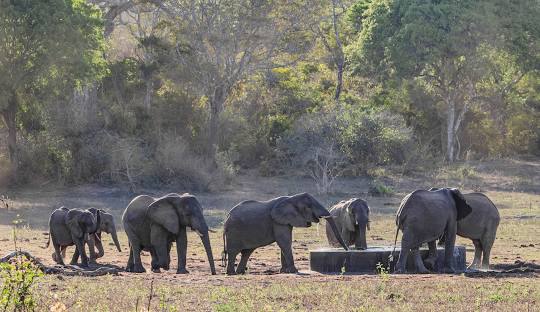
The national park is home to a variety of wildlife species such as Savanah elephants, Clarke’s weaver, Sokoke scops owl, Amani Sunbird, Sokoke Pipit, Spotted ground thrush, Sokoke bushy-tailed mongoose, African cricket, vervet monkeys, and baboons. The park is also housing various bird species such as the Long-crested Eagle, African Goshawk, and Little Sparrowhawk among others.
The Arabuko Sokoke National Park experiences a hot and humid climate typical of coastal areas, but it’s often refreshed by strong breezes. In the afternoons, temperatures usually hover around 29 degrees Celsius (84-degree Fahrenheit). Even though it gets a bit cooler at night, it remains warm, with temperatures around 22 degrees Celsius (72-degree Fahrenheit). Rainfall occurs consistently throughout the year, with the heaviest downpours taking place during the short rainy season from October to November and the long rainy season from April to May.
Drier Seasons–December to March & June to September
December, January, February, and March
December, January, February, and March are months when the weather becomes drier, marking a transition between the shorter rainy season and the longer one to come. However, the timing of this dry spell isn’t always clear, and you might still experience some rain now and then. During these months, it tends to get quite hot, with average temperatures reaching around 31 degrees Celsius (88 degrees Fahrenheit).
June, July, August and September
During June, July, August, and September, the weather is generally sunny. While there can be a few rainy days, this period is primarily the dry season. These months are also the coolest, with daytime temperatures averaging about 28 degrees Celsius (or 82-degree Fahrenheit).
Wet Seasons–April to May & October to November
April and May
In April and May, Arabuko Sokoke National Park experiences what’s known as the “long rains.” During these months, it tends to be very wet, with lots of cloudy days and frequent rain, sometimes lasting all day long. You might notice more storms in the afternoons. The roads can become rough due to the rain, and it usually feels a bit cooler, with daytime temperatures dropping to around 30 degrees Celsius (86 degrees Fahrenheit).
October and November
In October and November, Arabuko Sokoke National Park experiences what’s known as the “short rains.” The rainfall starts to pick up in October and reaches its highest point in November. While it’s not as rainy as the long rainy season, November can still bring quite a bit of rain. You can expect afternoon storms to pop up, but there will also be some sunny moments mixed in.
How to get to Arabuko Sokoke National Park
There are several ways to get to Arabuko Sokoke National Park in Kenya,
By road
Drive from Mombasa along the B8 coastal highway to Malindi. The park’s gate is a short detour from the main road, about 1 kilometer before Watamu and Gedi.
By air
Fly to Mombasa airport and drive to the coast, or take a domestic flight to Malindi, which is about 28 kilometers from the forest. From Malindi, you can access the park by bicycle or bus.