
Batwa Pygmy Tribe in Uganda: History, Culture, Traditions and the Batwa Experience
The Batwa pygmy tribe in Uganda is one of the country’s most distinctive Indigenous communities, with a deep historical and cultural connection to the forests of southwestern Uganda. For generations, the Batwa tribe lived as forest hunter-gatherers in areas that today include the landscapes around Bwindi, Mgahinga, Echuya, and Semuliki.
The forest was much more than a source of food. It was their home, livelihood, pharmacy, spiritual landscape, and cultural heritage. Today, the Batwa in Uganda live mainly outside the forests and face significant social and economic challenges following their displacement from ancestral lands after the creation of protected areas. At the same time, Batwa communities continue to preserve important traditions through cultural tourism, storytelling, music, dance, traditional knowledge, and community-led experiences.
For travelers visiting southwestern Uganda, learning about the Batwa Uganda story adds an important human and cultural dimension to a trip that may otherwise focus primarily on mountain gorillas and rainforest wildlife.
Who Are the Batwa Pygmy People in Uganda?
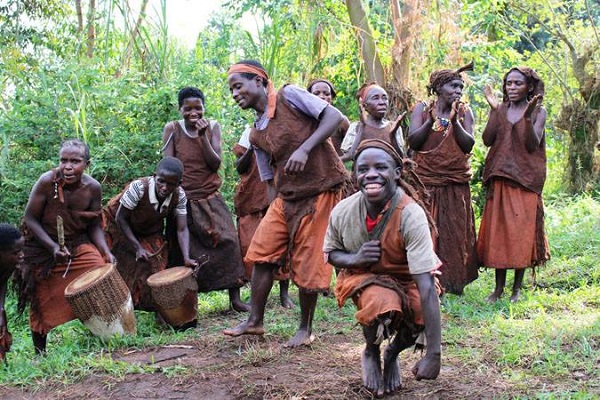 The Batwa, also known as Twa, are an Indigenous forest people of the Great Lakes region of Central Africa. In Uganda, Batwa communities are concentrated particularly in the southwestern and western parts of the country. They have historically maintained a close relationship with tropical forests and traditionally depended on hunting, gathering, fishing, honey collection, and the use of forest plants for food and medicine.
The term “pygmy” has historically been used to describe several forest-dwelling peoples of Central Africa, generally in reference to their relatively short average stature. However, when discussing the community, Batwa or Twa is generally the preferred ethnic designation.
Where Do the Batwa Live in Uganda?
The Batwa in Uganda live mainly around the forest regions of southwestern and western Uganda. Communities are associated with areas surrounding:
- Bwindi Impenetrable National Park
- Mgahinga Gorilla National Park
- Echuya Central Forest Reserve
- Semuliki National Park
- Other forest landscapes in western Uganda
Their traditional territory extended across forest landscapes that now fall within different conservation and administrative boundaries.
The relationship between the Batwa tribe and these forests is therefore much older than the modern national park system.
Today, Batwa cultural experiences can be found in several parts of Uganda. For example, the government-supported Echuya Forest Management Plan recognizes Batwa cultural trails, traditional knowledge, music, dance, and tourism as important cultural values and opportunities for community participation.
History of the Batwa Pygmy Tribe in Uganda
To understand the modern story of the Batwa pygmy tribe in Uganda, it is important to understand their historical relationship with the forest. For generations, the Batwa lived as forest-based hunter-gatherers. They hunted small animals, gathered wild fruits, mushrooms, roots, honey, and other forest products, and used medicinal plants.
The forest also contained places of spiritual and cultural importance. Traditional Batwa knowledge was passed from one generation to another through observation, storytelling, songs, ceremonies, hunting practices, and everyday life. The situation changed dramatically during the development of modern conservation areas.
The Batwa and Bwindi Forest
Bwindi Impenetrable Forest became a national park in 1991, alongside the establishment of Mgahinga Gorilla National Park as part of efforts to protect mountain gorillas and their habitat. Batwa communities were consequently removed from their ancestral forest territories.
Research documenting the experience of Batwa communities reports that the establishment of these protected areas occurred without adequate consultation with the Batwa and that their displacement had profound social, cultural, economic, and psychological consequences.
This history remains an important part of understanding the relationship between conservation and Indigenous communities in Uganda. The Batwa were accustomed to obtaining food, medicine, materials, and spiritual resources directly from the forest. After displacement, they had to adapt to a largely agricultural and land-based economy in communities outside the protected forests. This transition was extremely difficult.
The Batwa and the Forest: Why It Matters

For the Batwa tribe, the forest was not simply wilderness. It was home. The forest provided food, medicine, building materials, honey, wild plants, and places of cultural and spiritual significance. Traditional knowledge about plants, animals, seasons, trails, caves, and forest resources was an essential part of everyday life.
The Ugandan Ministry of Water and Environment recognizes several Batwa cultural values in forest management, including traditional knowledge of medicinal plants, spiritual beliefs, tourism trails, music, dance, and drama.
This helps explain why displacement from the forest was about much more than losing a physical place to live. It also meant losing access to many of the places and resources through which Batwa cultural identity had been maintained.
Batwa Culture and Traditions
Despite the enormous changes experienced by the Batwa in Uganda, many aspects of Batwa cultural heritage continue to survive.
Traditional Batwa culture has historically included:
- Hunting and gathering
- Honey collection
- Knowledge of medicinal plants
- Storytelling
- Traditional music
- Dancing
- Oral history
- Forest-based spiritual practices
- Traditional housing
- Archery and hunting techniques
- Community ceremonies
- Knowledge of forest animals and plants
Because much of this knowledge was traditionally transmitted orally, cultural tourism and community-led education have become important ways of keeping parts of this heritage alive.
A study of the Batwa Trail in Mgahinga found that cultural performances provide an opportunity for Batwa communities to express their identity and challenge stereotypes about their culture.
Batwa Traditional Hunting and Gathering
Before their displacement, the Batwa pygmy way of life was strongly connected to hunting and gathering. Men traditionally hunted small forest animals using techniques including bows, arrows, traps, and other locally developed methods. Women and other community members gathered fruits, roots, mushrooms, edible plants, and other forest resources.
Honey was also an important forest resource. The forest provided an extensive natural food system that required detailed knowledge of animal behavior, plant species, seasons, and forest geography. Today, many of these activities are demonstrated during cultural tourism experiences rather than practiced as the primary means of subsistence inside protected national parks.
Batwa Music, Dance and Storytelling
Music and dance remain among the most visible expressions of Batwa culture. Traditional songs can communicate history, celebrate important occasions, entertain communities, and pass knowledge from elders to younger generations. Storytelling has also traditionally played an important educational role. Elders pass on knowledge about the forest, community history, relationships, traditions, and cultural values through oral narratives.
The Ugandan government’s forest management documentation specifically recognizes Batwa music, dance, drama, and cultural tourism as mechanisms for cultural preservation and community economic participation. For visitors, experiencing Batwa music and storytelling can therefore be much more meaningful than simply watching a cultural performance. It provides an opportunity to learn about a community whose identity is deeply connected to Uganda’s forests.
Batwa Spiritual Beliefs
Traditional Batwa spirituality was closely connected to the natural environment. The forest was considered a place of spiritual significance, and certain trees, caves, rocks, springs, and other natural features could have cultural or sacred importance. Traditional beliefs varied between communities and over time, particularly as Christianity and other outside influences became more widespread.
It is therefore important not to present Batwa spirituality as a single uniform belief system. Different Batwa communities have experienced different cultural influences, and contemporary Batwa people may combine Christian beliefs with elements of inherited cultural traditions. Modern conservation planning in Uganda continues to recognize the cultural and spiritual importance of forest sites to Batwa communities.
The Batwa Cultural Experience in Uganda
One of the best ways for visitors to learn about the Batwa pygmy tribe in Uganda is through a community-based cultural experience. These experiences are particularly associated with the areas around Bwindi and Mgahinga. Rather than simply reading about Batwa history, travelers can meet community members and learn directly about traditional forest life.
Depending on the location and program, a Batwa cultural experience may include:
- Traditional storytelling
- Music and dance
- Demonstrations of traditional hunting techniques
- Fire-making
- Honey and forest-resource knowledge
- Medicinal plant interpretation
- Traditional homes
- Archery
- Forest walks
- Community visits
- Traditional food and crafts
The experience near Bwindi, for example, takes place outside the national park and uses Batwa guides and cultural interpreters to demonstrate elements of traditional forest life.
The Batwa Trail in Mgahinga
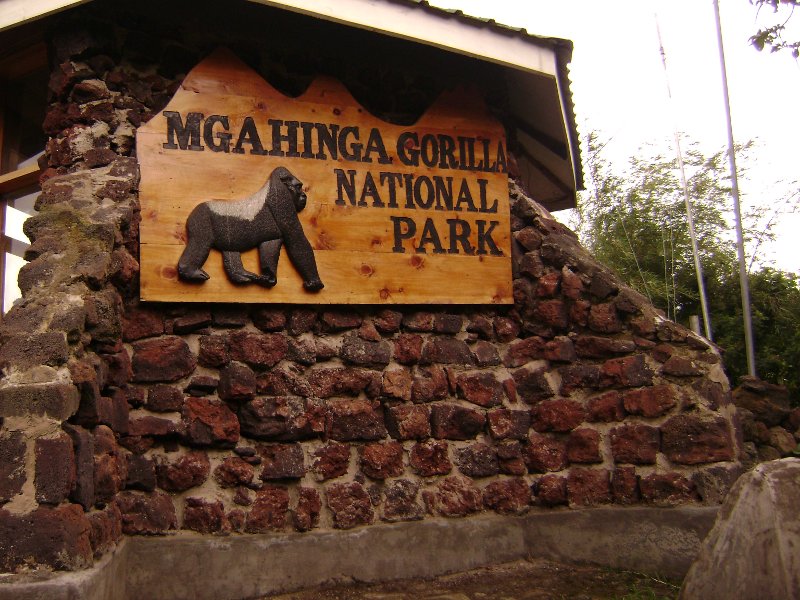 The Batwa Trail in Mgahinga is another important cultural tourism experience. The trail allows visitors to learn about the Batwa’s historical relationship with the forest while being guided by members of the community. The experience combines cultural interpretation with demonstrations of traditional forest knowledge and practices.
Research on the Batwa Trail has found that it can provide a platform for cultural self-expression and community agency, rather than simply presenting Indigenous culture as a tourist attraction. For travelers visiting Bwindi Impenetrable National Park or Mgahinga for gorilla trekking, adding a Batwa cultural experience can create a much broader understanding of the region.
Batwa Culture and Gorilla Tourism
The story of the Batwa in Uganda is closely connected with gorilla conservation. Bwindi and Mgahinga are internationally recognized for their mountain gorilla populations, and gorilla tourism provides important income for conservation and local communities. However, the history is complicated because the creation of protected areas also contributed to the displacement of the Batwa from their ancestral forests.
This creates an important conversation about how conservation can protect endangered species while also respecting the rights, history, knowledge, and cultural identity of Indigenous communities. For this reason, responsible travelers should approach Batwa cultural tourism with respect and recognize that they are engaging with a living community rather than visiting a museum.
You can combine a Uganda gorilla trekking safari with a Batwa cultural experience to explore both the wildlife and human history of the Bwindi region.
Life of the Batwa in Uganda Today
Life for many Batwa communities in Uganda remains challenging. After losing access to their traditional forest-based livelihoods, many Batwa had to transition to farming, casual labor, crafts, tourism-related work, and other sources of income. Landlessness, poverty, limited access to education and healthcare, discrimination, and cultural marginalization have all been documented as significant concerns.
Research involving Batwa communities in Uganda has documented the continuing effects of displacement, including loss of access to ancestral land and the emotional and cultural consequences of separation from the forest. At the same time, it is important not to define the Batwa only through hardship. Batwa communities are actively working to preserve their culture, improve livelihoods, participate in tourism, educate younger generations, and advocate for their rights.
Batwa Women and Traditional Livelihoods
Batwa women have traditionally played important roles in gathering forest foods, preparing food, caring for children, maintaining households, and transmitting cultural knowledge. Today, women also participate in income-generating activities such as crafts, tourism, agriculture, and community initiatives.
Traditional crafts—including pottery and other handmade products—can provide an additional source of income when visitors purchase directly from community members. For tourists, buying locally produced crafts and using community-led cultural experiences can be a practical way of supporting local livelihoods.
Challenges Facing the Batwa People in Uganda
The contemporary challenges facing the Batwa tribe cannot be separated from their history of displacement.
Some of the major issues include:
Landlessness
Loss of ancestral forest territory left many Batwa without secure access to land. Historical reports and research have documented extensive landlessness among Batwa communities.
Poverty
The transition from a forest-based economy to a cash-based and agricultural economy has been difficult for many families.
Education
Some Batwa children face barriers to accessing and completing education, including poverty and discrimination.
Healthcare
Access to quality healthcare remains a challenge in some Batwa communities.
Cultural Loss
As younger generations adapt to wider Ugandan society, traditional languages, songs, stories, forest knowledge, ceremonies, and practices can become increasingly difficult to maintain.
Discrimination
Batwa communities have historically faced social discrimination and marginalization. These challenges explain why responsible tourism and community-led initiatives can be important when they are designed to provide genuine economic benefits and respect Batwa decision-making.
Batwa Cultural Tourism and Community Benefits
Cultural tourism can provide an opportunity for the Batwa in Uganda to earn income while sharing their heritage with visitors. However, cultural tourism should be approached responsibly. Visitors should choose experiences where Batwa community members have meaningful roles as guides, performers, storytellers, craftspeople, or decision-makers and where tourism revenue contributes to community livelihoods.
Uganda’s forest-management plans explicitly recognize Batwa cultural tourism as an opportunity to generate income through activities such as guiding, handicrafts, music, and dance, while also emphasizing the importance of protecting Batwa culture from exploitation. This is an important distinction: the goal should not be to turn Batwa culture into a staged spectacle, but to create respectful opportunities for Batwa people to tell their own stories and benefit from tourism.
How to Visit the Batwa in Uganda Responsibly
If you would like to experience Batwa culture in Uganda during your trip, consider the following:
- Choose a community-led or community-partnered experience.
- Listen to Batwa guides and elders rather than relying only on stereotypes or historical descriptions.
- Ask before photographing people.
- Buy crafts directly from community members where possible.
- Do not treat traditional ceremonies or cultural practices as entertainment without understanding their meaning.
- Respect restrictions concerning sacred sites and cultural information.
- Avoid language that portrays the Batwa as a “primitive” or disappearing people.
- Remember that the Batwa are a contemporary Indigenous community with diverse experiences and aspirations.
A respectful visit can help create meaningful cultural exchange while supporting local livelihoods.
Can You Visit the Batwa During a Uganda Gorilla Safari?
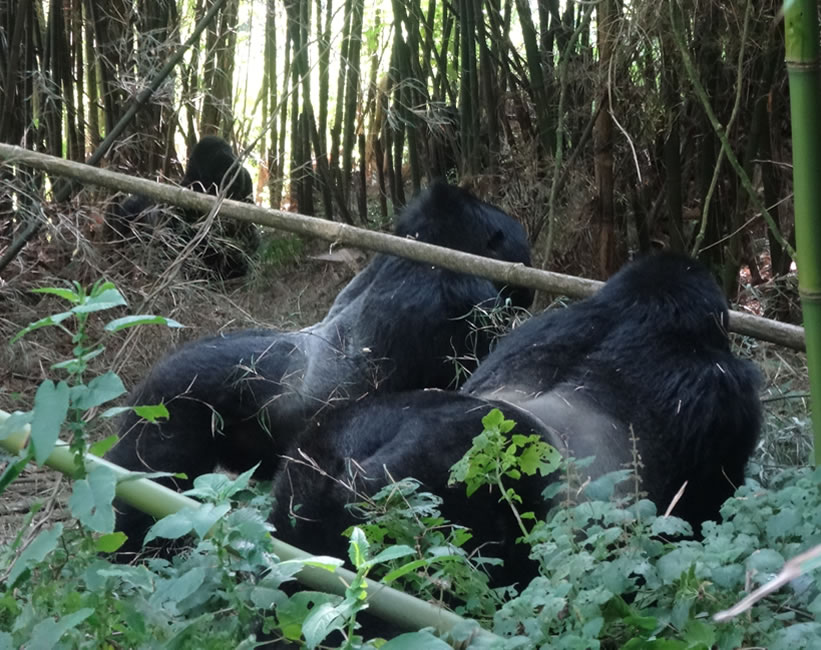 Yes. A Batwa cultural experience can be an excellent addition to a Uganda gorilla trekking itinerary.
Many travelers first visit southwestern Uganda to see mountain gorillas in Bwindi or Mgahinga. Adding a cultural experience allows you to learn about the people who have a deep historical relationship with these forests.
You can explore Uganda safari packages or contact Focus East Africa Tours to create a tailor-made itinerary combining gorilla trekking, Batwa culture, wildlife, nature, and other Ugandan experiences.
Batwa Pygmy Tribe in Uganda: Frequently Asked Questions
Who are the Batwa pygmy tribe in Uganda?
The Batwa are an Indigenous forest people of the Great Lakes region of Central Africa. In Uganda, they have historically lived in and around the forests of southwestern and western Uganda, including areas around Bwindi, Mgahinga, Echuya, and Semuliki.
Where do the Batwa live in Uganda?
Today, Batwa communities live mainly outside the protected forests in southwestern and western Uganda. Communities are found around areas including Kisoro, Kabale, Kanungu, Rubanda, Bundibugyo, and surrounding forest regions.
What did the Batwa traditionally eat?
The traditional Batwa diet included hunted small animals, wild fruits, honey, mushrooms, roots, plants, and other forest resources. Their diet varied according to season, location, and availability.
Are the Batwa still living in the forest?
Most Batwa in Uganda no longer live inside national parks such as Bwindi and Mgahinga. Their displacement followed the establishment of protected areas in the early 1990s. However, the forest remains central to Batwa cultural identity, memory, traditional knowledge, and spirituality.
Can tourists visit the Batwa?
Yes. Cultural experiences around Bwindi, Mgahinga, Echuya, and other areas allow visitors to learn about Batwa history and traditions through community guides, storytelling, music, dance, forest knowledge, and demonstrations of traditional practices.
Is the Batwa cultural experience worth adding to a gorilla safari?
Absolutely. Gorilla trekking introduces you to Uganda’s remarkable wildlife, while a Batwa cultural experience provides insight into the human history and Indigenous heritage of the forest landscape. Experiencing both can make a trip to southwestern Uganda considerably more meaningful.
The Batwa: A Living Culture, Not Just a History
The story of the Batwa pygmy tribe in Uganda is one of resilience, cultural change, displacement, and continued connection to the forest.
The Batwa were historically forest hunter-gatherers whose knowledge was shaped by generations of close interaction with the natural environment. The creation of protected areas in the early 1990s transformed their relationship with the forests, producing profound social, economic, and cultural consequences.
Yet Batwa culture has not disappeared.
Today, Batwa elders, guides, artists, community leaders, and younger generations continue to preserve and reinterpret their heritage. Cultural trails and community tourism initiatives provide opportunities to share traditional knowledge, generate income, and keep important elements of Batwa identity visible.
For visitors exploring Uganda, taking time to understand the Batwa tribe, their history, and their continuing relationship with the forest provides a deeper perspective on conservation and tourism in East Africa.
If you are planning a Uganda gorilla trekking adventure, consider adding a Batwa cultural experience to your itinerary. It is an opportunity not only to see one of Africa’s most remarkable ecosystems, but also to meet and learn from the people whose history is inseparable from these forests.