
National Parks Vs. Game Reserves Vs. Concessions Vs. Conservancies : The world of safari can frequently seem as complicated and dense as the deepest jungle, so here at Focus East Africa Tours, we are pleased to be able to quickly outline the key distinctions between these terms (National Parks, Conservancies, Game Reserves, Concessions, Wilderness Areas and Sanctuaries) The main objective of each of these types of protected areas is to maintain and preserve the species, but there are some distinctions among them because some allow visitors while others do not permit visits for tourism. Before choosing one of them for your safari, it is crucial to understand the differences between them. Listed below are the key distinctions between these different types of protected areas.
- NATIONAL PARKS
The most well-known of them all are the National Parks. Famous examples of state-owned parks that are historically open to all tourists include Tanzania’s Serengeti National Park, Namibia’s Etosha National Park, Uganda’s Queen Elizabeth National Park and South Africa’s Kruger National Park, while numerous smaller and less well-known ones exist across the continent. Even though activities like off-road game drives are typically not permitted, going on safari in a national park is typically less expensive than doing so in a game reserve. However, being open to everyone does mean that large crowds and lines might develop during the peak seasons.
- GAME RESERVES
Game reserves, sometimes known as game parks or wildlife reserves, are typically, though not always, privately maintained and take advantage of this to frequently offer a larger choice of activities than state-owned sections of land. In contrast to National Parks, where only traditional game drives are often available, game reserves also permit bush walks, night drives, and off-road safaris. As a result, prices are higher, but the experience is more individualized.
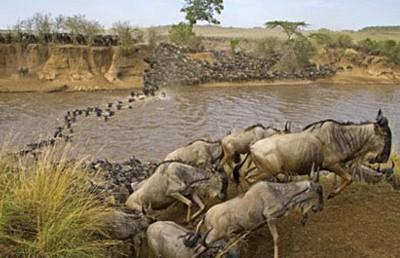
Examples of game reserves include the privately owned Singita Grumeti Reserve in Tanzania and the South African Mala-Mala Game Reserve, both of which are owned by the local community. Other notable and famous game reserve are the Kenya’s Maasai Mara National Reserve home to the great wildebeest migration and the Tanzania’s Selous Game reserve, the largest game reserve in Africa.
- CONCESSIONS
Concessions are located between national parks and game reserves. State-owned land is broken up into parts and leased to owners of small private safari lodges. This land is typically located inside or close to a national park. Visitors can access a larger variety of activities than are offered in national parks in exchange for strict conservation and behavior requirements that are tied to the leases. With the help of severe restrictions on tourist activities and the promotion of a high-value, low-volume tourism model, the Botswanan government has implemented this concession model with tremendous success, National Parks Vs. Game Reserves Vs. Concessions Vs. Conservancies.
- CONSERVANCIES
The last type, conservancies, is made up of portions of land that are administered by local communities or private landowner organizations with the purpose of protecting species and ensuring that the local populace gains from tourism. The management and protection of the animal population are ensured by making sure the locals can understand the financial benefits that can be realized. There are many conservancies in Africa, including the Save Valley Conservancy in Zimbabwe, but Kenya’s Masai Mara leads the pack with over a dozen.
Therefore, putting pedantry aside, all of the aforementioned expressions and concepts together refer to a habitat where Africa’s finest wildlife can endure and eventually thrive in a secure and controlled environment. Contact the professionals at Focus East Africa Tours to help you organize your next vacation anywhere you have any questions or wish to travel in Africa, whether it’s a game reserve, national park, or even a beach or city. We look forward to hearing from you and guarantee an outstanding safari experience.