
Eco-friendly Safaris Kenya: Kenya is setting the standard for environmentally friendly tourism by carefully balancing the needs of locals, visitors, and conservation to preserve the wild for as long as possible. Here are four examples of how Kenya is changing the world: eco-lodges, elephant orphanages, and a ban on single-use plastics.
Creating conservancies.
Experience the remarkable animals of Kenya, such as these cubs of the lion, on a custom vacation with Alfred &.
Kenya’s conservancies are a key component of its success. Certain regions of the nation, like Laikipia, have been split up into private reserves. These reserves are frequently governed by indigenous people, such as the Maasai and Samburu, who make money by renting out their property to lodges and providing small-scale Kenya safari experiences. As a result, these reserves develop into a safe haven for species that is rich in biodiversity, benefiting people, tourists, and wildlife alike.
Hence, by staying at campgrounds like Mara Bush tops in the Isaaten Conservancy, you can directly contribute to funding initiatives for local communities and animals. The luxury five-star tented camp features hot tubs with views of the plains teeming with wildlife, a spa and pool, and round-the-clock butler service. Since Bushtops is located on a conservancy, it is able to provide extra activities like walking Kenya safaris and night drives, which are not allowed in the neighboring Maasai Mara National Park.
Working with communities.
Kenya has discovered that without community support, tourism is just not sustainable. In addition to conservancies, there are numerous tourism initiatives with a community focus that bring in money for the locals. For example, you might visit the Go Granny Go Project in Nairobi for a Kenya Safari, which assists grandmothers in starting pig farming enterprises to support their families. You’ll also gain a unique understanding of Kenyan culture by cooking lunch with the women and hearing their motivational tales during the tour.
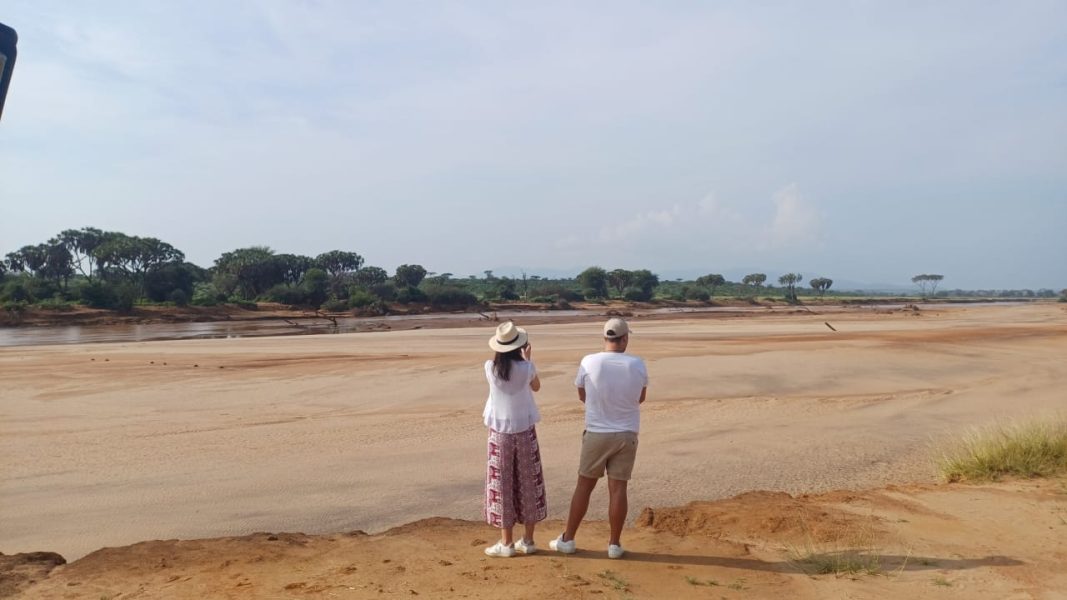
Governors’ and other Kenya safari camps have been working with the community for decades. In addition to creating jobs for the community, they also fund healthcare facilities, educational institutions, and initiatives to save animals. A portion of your stay at Governors’ directly supports the Maasai community of Mara Rianda, which you can tour in a respectful manner. In a similar vein, Kenya’s Porini camps provide funding for conservancies such as Selenkay in Amboseli; each tent contributes to the preservation of 700 acres of habitat, and approximately 95% of the personnel are from the surrounding villages.
Going green.
In an effort to clean up its towns and save wildlife, Kenya implemented one of the strictest bans on single-use plastic bags in the world in 2017. Another historic ban on single-use plastic, encompassing bottles, straws, containers, cups, cutlery, and food packaging, went into force in conservation zones in 2020. Because of this, a lot of lodges, including Tawi in Amboseli, have eliminated all plastic and implemented other environmentally friendly practices, such as growing organic food gardens.
Luxurious oceanfront resorts on Kenya’s coast, such as the UNESCO-listed Hemingways Watamu, host weekly beach clean-ups and have integrated environmentally friendly water treatment systems. Seek for hotels such as Tawi and Loisaba Tented Camp that have earned Gold Eco-Tourism ratings. Both put up a lot of effort to reduce waste, utilize solar energy, and preserve wildlife habitat.
Wildlife rehabilitation.
Kenya boasts an impressive array of sanctuaries and rehabilitation facilities that are vital to the preservation of the country’s renowned wildlife. The world’s most effective elephant rescue and rehabilitation initiative is managed by the renowned Sheldrick Wildlife Trust in Nairobi. Come see their newborn rhinos and elephants, many of which have been reintroduced into Tsavo East after becoming orphans due to poaching. Additionally, you will discover their innovative efforts to stop poaching, protect habitat, and operate mobile veterinary clinics.
In addition to offering a key haven for rare species found only in the area, like reticulated giraffes and endangered wild dogs, Loisaba Conservancy in Laikipia also features an accessible anti-poaching program. The last two northern white rhinos in the world can be found at Ol Pejeta in Laikipia. They live in constant protection on a 90,000-acre conservancy that was formerly a cattle ranch. Feed the blind black rhino, Baraka, and see about thirty southern white rhinos that have been saved from extinction. The Sweetwater’s Chimpanzee Sanctuary, established in collaboration with the Jane Goodall Institute, is located in Ol Pejeta and is the only location in Kenya where chimpanzees can be seen.