
Diving Safari in Tanzania : Tanzania is home to a diverse range of marine life, culture, and land-based animals. From dramatic safaris through the savannah to unspoiled coral reefs just a short swim off the shore, Tanzania has something for everyone. Tanzania’s islands, which are located in the Indian Ocean, always feature warm seas teaming with bright tropical fish. The coral reefs are among the best in the world, and the diving opportunities are simply unparalleled. While the Serengeti and fantastic wildlife like lions and elephants are Tanzania’s most well-known attractions, the country’s islands provide some of the best diving in East Africa.
Tanzania is well known for Mount Kilimanjaro, Africa’s highest mountain, and the Serengeti National Park, which hosts the annual animal migration. It is, however, a scuba diving destination with excellent spots. Indeed, we’re discussing the Zanzibar Archipelago, Tanzania’s most popular scuba diving location.
Perfect diving conditions, thriving coral reefs, and a diverse array of marine life may all be found on the islands (Zanzibar). In addition to Zanzibar, the country’s coastline provides excellent diving opportunities. In reality, the Indian Ocean runs along much of Tanzania’s 1424-kilometer coastline, resulting in even more current and prospective dive destinations. If you’re interested in seeing whale sharks, visit Tanzania between November and February, as this is the peak season for sightings of whale sharks and manta rays in the Indian Ocean. The ideal time to visit Tanzania is from October to March for the best visibility, while the best weather is from December to March and July to October. The rainy months are April to June and October to November.

Where to dive in Tanzania? / Where to go for diving safari in Tanzania? Here’s a summary of some of Tanzania’s top diving spots:
1. Lake Tanganyika
For those looking for a unique diving experience, Lake Tanganyika is the place to go. Tanzania (which owns 46 percent of the lake), the Democratic Republic of the Congo (DRC), Burundi, and Zambia share the lake as a border. Lake Tanganyika is the world’s longest freshwater lake, measuring 673 kilometers (418 miles). In addition, the lake is thought to be the world’s second oldest lake. It is home to a large number of endemic fish due to its antiquity and ecological isolation. In the lake, 300 fish species have been identified, with 95 percent of them being endemic (only found in that lake). Lake Tanganyika is one of the best place for diving in Tanzania.
Also lake Tanganyika is close to Gombe national park and mahale mountainous national park both famous for chimps and gorilla trekking, so after your diving safari in lake Tanganyika you can combine chimpanzee and gorilla trekking safari in these two national parks for more safari experience.
2. Mafia Island
Mafia Island is less well-known than the other islands off Tanzania’s coast. The marine park, which was established in 1996, is East Africa’s largest marine park. Over 42 different varieties of coral and over 400 different fish can be found in the seas around Mafia. It’s also a place where you may see whale sharks in their natural habitat.
Chole Bay contains the majority of the dive sites in this area, including Kinasi Wall and Milimani Reef. Outside of the bay, you’ll find diving sites like Jina Pass and Dindini Wall, which are both incredible dive sites that you should not miss if you’re Tanzania safari/ tour. Snappers, southern stingrays, green turtles, tuna, and grouper can all be found in Mafia Island dive spots.

3. Pemba Island
Pemba Island is another best diving place in Tanzania to enjoy your Tanzania diving tour. Pemba Island is home to amazing coral-covered wall dives, vibrantly colored reefs, and massive sea fans. The reef life around this secluded atoll is spectacular. There are several dive sites on Pemba Island, but the most popular is North Horn, which is famed for its large number of sharks. White-tip sharks, silvertip sharks, and hammerhead sharks are among the sharks that frequent this area. The Humphead Parrot Fish, Big Eye Trevally, and Potato Cod are among the other marine creatures found here. The visibility varies from 20 to 40 meters.
Due to the high currents and fantastic pelagic visitors, the east and south sides of Pemba provide the dive sites for you if you’re a somewhat more accomplished diver searching for more interesting dive sites. Mtangani is a dive destination where you can see a lot of Hammerhead sharks.
4. Misali Island
With a name like Coral Garden, you can be sure the diving is top-notch, Misali Island Coral Garden is the name given to this tiny island, which is home to some of Tanzania’s best diving.
Adventurers who first dive around Pemba Island can take a day trip to this magnificent, secluded site, which is located off the Coast of Pemba Island. However, because there is no accommodation on the island, you will need to plan ahead and bring your own food for the day. Because Misali Island is a remote island, the reef, or coral garden, surrounding it is extraordinarily robust and undisturbed. Turtles, eels, and manta rays can all be seen in the shallow, bright waters around this reef. Make a point of visiting the little Misali Island if you want to do some fantastic underwater photography.
5. Nungwi beach
Nungwi is one of the best known safari location in Tanzania, Zanzibar and mostly is known for having some of the wonderful and unique beaches for holiday/ vocation enjoyment. It is also known for having many watersports including diving. Whales migrate to the island’s northernmost tip on a regular basis. If you enjoyed a land safari in Tanzania’s national parks, Nungwi offers a completely different style of safari in the Indian Ocean.
As they migrate over the open ocean, divers may encounter humpback whales and even sperm whales. Divers may see manta rays and whale sharks in the area at other times of the year. There are bright reefs all around Nungwi, and the tides don’t change much, so diving is fantastic at any time of day, especially for beginners.
6. Leven Bank
Leven Bank is a dive site off Zanzibar’s northern edge that is only for advanced divers. This magnificent open-ocean dive site is not to be missed by divers looking for a dive destination packed with thrills and excitement. The side of the bank where giant fish like Barracuda, Kingfish, Trevally, and large Moray Eels live is subjected to extremely powerful currents.
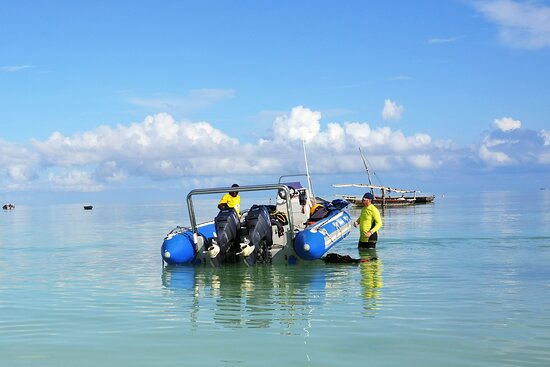
HOW TO DIVE IN TANZANIA?
Local dive centers in the destination of your choosing are likely to be the ideal places to dive in Tanzania. In reality, the area has yet to develop a live aboard business, and the transit time between destinations makes visiting multiple locations difficult. As a result, divers looking for a dive destination should consider what other activities they might enjoy. A safari is a must-do on any trip to Africa, so keep that in mind when you plan your vacation.
WHEN IS THE BEST TIME TO GO DIVING IN TANZANIA?
Tanzania is a diving destination that is open all year. The ideal months for diving are March and October to November. The weather is pleasant and visibility is excellent during these months. The months of April and May, on the other hand, are the rainiest of the year and are not recommended for diving. Even so, if you’re looking at these dates and want to go diving, keep in mind that the sea conditions and visibility are still excellent.
Furthermore, the trade winds must be considered because they influence Tanzania’s climate. The first is Kusi, a southerly wind that blows from June to September and can cause choppy seas. In addition, several dive centers warn that windy weather in August may force dives to be canceled or limited to morning dives.
Second, Kaskazi, or the northerly wind, occurs from December to February. Many dive centers issue the same cancellation notice for the months of December and January. These two months, on the other hand, are the best for diving with whale sharks and the busiest for dive facilities.