
Birds in Tanzania are some of the different attractions in Tanzania that travelers get to experience while on a Tanzania safari tour. There are over 1,126 birds in Tanzania spread through the different parts of the country, including among others the different Tanzania safari parks. Of the 1,126 bird species in Tanzania, 24 bird species are endemics, with 51 birds globally threatened and found in Tanzania. Below are the different bird species in Tanzania that you may see while on a birding safari in Tanzania.
Struthioniformes include the Common Ostrich , Struthio camelus , Anseriformes include White-faced Whistling Duck, Fulvous Whistling Duck, Maccoa Duck which is an endangered species, Egyptian Goose, Southern Pochard, Common Pochard, Tufted Duck, Garganey, Hottentot Teal, Cape Shoveler which is rare/accidental, Northern Shoveler, Gadwall, Eurasian Wigeon, African Black Duck, Yellow-billed Duck, Cape Teal, Red-billed Teal, Northern Pintail, Common Teal, White-backed Duck, Spur-winged Goose, Comb Duck, and African Pygmy Goose
Galliformes include Helmeted Guineafowl, Vulturine Guineafowl, Crested Guineafowl,
Galliformes include the Udzungwa Forest Partridge, Common Quail, Harlequin Quail, Blue Quail, Hildebrandt’s Francolin, Scaly Francolin, Yellow-necked Spurfowl, and Grey-breasted Spurfowl which is an endemic species, Red-necked Spurfowl, Crested Francolin, Coqui Francolin, Forest Francolin, Ring-necked Francolin which is near-threatened, Red-winged Francolin, and Shelley’s Francolin.
Phoenicopteriformes include the Greater Flamingo and the Lesser Flamingo
Phoenicopteriformes include the Little Grebe, Great Crested Grebe and Black-necked Grebe.
Columbiformes include Rock Dove, Speckled Pigeon, Afep Pigeon, African Olive Pigeon, Eastern Bronze-naped Pigeon, Lemon Dove, European Turtle Dove which is rare/accidental, Dusky Turtle Dove, Mourning Collared Dove, Red-eyed Dove, Ring-necked Dove, Laughing Dove, African Green Pigeon, Pemba Green Pigeon, Emerald-spotted Wood Dove, Blue-spotted Wood Dove, Tambourine Dove and Namaqua Dove.
Pterocliformes include Chestnut-bellied Sandgrouse, Yellow-throated Sandgrouse, and Black-faced Sandgrouse.
Phaethontiformes include the White-tailed Tropicbird.
Caprimulgiformes also include the European Nightjar, Sombre Nightjar, Rufous-cheeked Nightjar which is a rare/accidental bird species, the Nubian Nightjar, Donaldson Smith’s Nightjar, Fiery-necked Nightjar, Montane Nightjar, Swamp Nightjar, Plain Nightjar, Freckled Nightjar, Slender-tailed Nightjar, Mozambique Nightjar, Standard-winged Nightjar which is also a rare/accidental bird species, and the Pennant-winged Nightjar.
Caprimulgiformes: These birds include the Mottled Spinetailed Swift, Böhm’s Spinetailed Swift, Scarce Swift, African Palm Swift, Alpine Swift, Mottled Swift, White-rumped Swift, Horus Swift, Little Swift, the Nyanza Swift, African Swift, Forbes-Watson’s Swift a rare/accidental, and the Common Swift.
Cuculiformes: These birds in Tanzania include the Senegal Coucal, Blue-headed Coucal, Coppery-tailed Coucal, White-browed Coucal, African Black Coucal, Yellowbill, Jacobin Cuckoo, Levaillant’s Cuckoo, Great Spotted Cuckoo, Thick-billed Cuckoo, Klaas’s Cuckoo, the African Emerald Cuckoo, Diederick Cuckoo, Dusky Long-tailed Cuckoo, Barred Long-tailed Cuckoo, Red-chested Cuckoo, Black Cuckoo, Common Cuckoo, African Cuckoo, Lesser Cuckoo, and the Madagascar Cuckoo.
Gruiformes: These in Tanzania include African Rail, African Crake, Corncrake, Spotted Crake, Black Crake, Baillon’s Crake, Striped Crake, Purple Swamphen, Allen’s Gallinule, Common Moorhen, Lesser Moorhen, and Red-knobbed Coot.
Gruiformes: These species of birds in Tanzania include White-spotted, Buff-spotted Flufftail, Red-chested Flufftail, Chestnut-headed Flufftail, Streaky-breasted Flufftail, and the Striped Flufftail.
Gruiformes includes only the African Finfoot so far.
Gruiformes bird species include the Grey Crowned Crane which is an endangered bird species, and the Wattled Crane which is considered a vulnerable species.
Otidiformes: These birds in Tanzania include the Black-bellied Bustard, Hartlaub’s Bustard, Kori Bustard which is a near-threatened species, Denham’s Bustard also a near-threatened species, Buff-crested Bustard, and the White-bellied Bustard.
Musophagiformes: Birds in Tanzania include Great Blue Turaco, White-bellied Go-away-bird, Eastern Grey Plantain-eater, Bare-faced Go-away-bird, Grey Go-away-bird, Purple-crested Turaco, Schalow’s Turaco, Hartlaub’s Turaco, Black-billed Turaco, Livingstone’s Turaco, Fischer’s Turaco which is a near-threatened species, and the Ross’s Turaco.
Procellariiformes include only the White-bellied Storm-petrel which is a rare/accidental to spot.
Procellariiformes includes the White-capped Albatross, also a rare/accidental species.
Procellariiformes include the Southern Giant Petrel, White-chinned Petrel, Wedge-tailed Shearwater, and the Tropical Shearwater which are all rare/accidental species.
Pelecaniformes: These birds in Tanzania include the Marabou, Yellow-billed Stork, African Openbill, Black Stork, the Abdim’s Stork, Woolly-necked Stork, European White Stork, and Saddle-bill Stork.
Pelecaniformes include the Great White Pelican and the Pink-backed Pelican.
Pelecaniformes also include the Hamerkop.
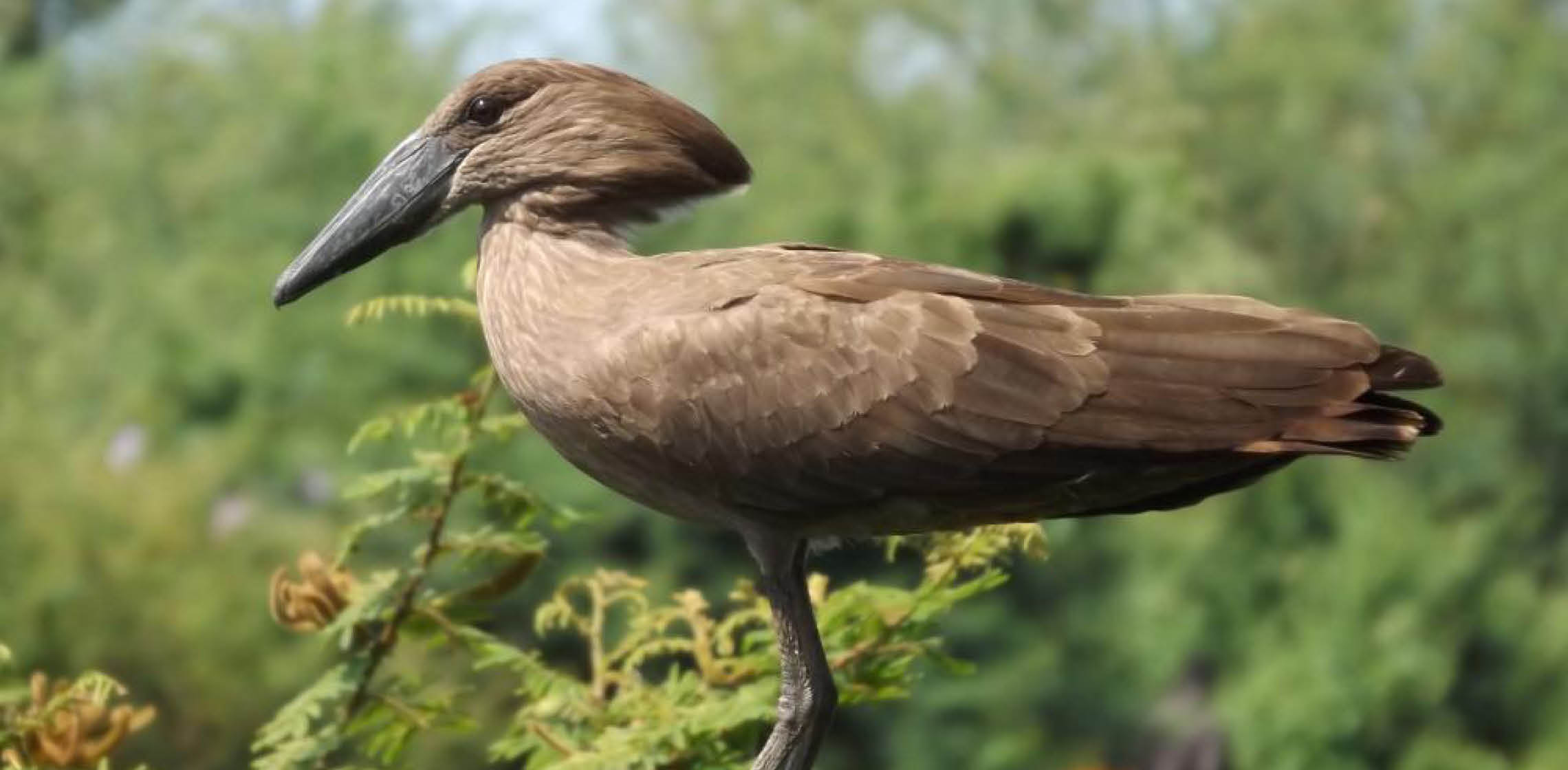
Pelecaniformes include the Shoebill, a vulnerable species.
Pelecaniformes: These include the Eurasian Bittern, Little Bittern, Dwarf Bittern, White-backed Night Heron, Black-crowned Night Heron, Striated Heron, Squacco Heron, Madagascar Pond Heron, an endangered species, Rufous-bellied Heron, Cattle Egret, Grey Heron, Black-headed Heron, the Goliath Heron, Purple Heron, Great Egret, Intermediate Egret, Black Heron, Little Egret, and the Western Reef. Egret.
Pelecaniformes also include African Sacred Ibis, African Spoonbill, Olive Ibis, Spot-breasted Ibis, Hadada Ibis, and the Glossy Ibis. Also the Lesser Frigatebird, Great Frigatebir, Cape Gannet which is endangered, Red-footed Booby and Brown Booby both rare/accidental, Masked Booby, Long-tailed Cormorant, Great Cormorant, and the African Darter.
Charadriiformes include Eurasian Thick-knee, Water Thick-knee, Spotted Thick-knee, Eurasian Oystercatcher which is near-threatened, Pied Avocet Black-winged Stilt, Grey Plover Pacific Golden Plover, Common Ringed Plover, Little Ringed Plover, Kittlitz’s Plover, Three-banded Plover, Forbes’s Plover, White-fronted Plover, Kentish Plover which is a rare/accidental species, Chestnut-banded Plover, Lesser Sand Plover, Greater Sand Plover, Caspian Plover, Long-toed Lapwing, Blacksmith Lapwing, Spur-winged Lapwing, Black-headed Lapwing, White-headed Lapwing, the Senegal Lapwing, Black-winged Lapwing, Crowned Lapwing, African Wattled Lapwing, Brown-chested Lapwing, Greater Painted-snipe, African Jacana, Lesser Jacana, Whimbre, Eurasian Curlew, Bar-tailed Godwit, Black-tailed Godwitt being near-threatened, Ruddy Turnstone, Red Knot, Ruff, Broad-billed Sandpiper, Curlew Sandpiper which is near-threatened, Temminck’s Stint which is rare/accidental, Long-toed Stint also rare/accidental, Sanderling, Little Stint, Pectoral Sandpiper, African Snipe, Great Snipe which is a near-threatened species, Common Snipe, Jack Snipe, Terek Sandpiper, Common Sandpiper, Green Sandpiper, Spotted Redshank, Common Greenshank, Common Redshank, Wood Sandpiper, Marsh Sandpiper, Red-necked Phalarope, Grey Phalarope which is also rare/accidental, Common Buttonquail, Black-rumped Buttonquail, Quail-plover also rare/accidental, Crab-plover, Double-banded Courser, Heuglin’s Courser, Bronze-winged Courser, Temminck’s Courser, Collared Pratincole, Black-winged Pratincole which is not only rare/accidental but also near-threatened, Madagascar Pratincole also near-threatened, Rock Pratincole, Long-tailed Skua which is also rare/accidental, Arctic Skua, Pomarine Skua also rare,Brown Noddy, Lesser Noddy, African Skimmer, Slender-billed Gull rare/accidental, Black-headed Gull, Gray-hooded Gull, Franklin’s Gull also rare/accidental, Sooty Gull, Kelp Gull also rare/Accidental, Lesser Black-backed Gull, Herring Gull, Sooty Tern, Bridled Tern, Little Tern rare/accidental, Saunders’s Tern, Gull-billed Tern , Caspian Tern, Whiskered Tern, White-winged Tern, Roseate Tern, Black-naped Tern also rare/accidental, Common Tern, White-cheeked Tern, Lesser Crested Tern, Sandwich Tern, and Greater Crested Tern.
Accipitriformes birds in Tanzania include the Secretary-bird which is endangered, Osprey, Black-winged Kite, Scissor-tailed Kite which is vulnerable, European Honey Buzzard, Oriental Honey Buzzard which is rare/accidental, African Cuckoo Hawk, African Harrier Hawk, Palm-nut Vulture, Bearded Vulture which is near-threatened, Egyptian Vulture which is endangered, Bateleur also endangered, Short-toed Eagle which is rare/accidental, Beaudouin’s Snake Eagle which is vulnerable, Black-chested Snake Eagle, Brown Snake Eagle, Southern Banded Snake Eagle which is near-threatened, Western Banded Snake Eagle, The White-headed Vulture, Hooded Vulture, White-backed Vulture, and Rüppell’s Vulture which are all critically endangered, Lappet-faced Vulture which is endangered, Bat Hawk, Crowned Eagle which is near-threatened, Martial Eagle which is endangered, Long-crested Eagle, Lesser Spotted Eagle, Greater Spotted Eagle which is not only rare/accidental but also vulnerable, Tawny Eagle which is vulnerable, Steppe Eagle which is endangered, Eastern Imperial Eagle also vulnerable, Verreaux’s Eagle, African Hawk Eagle, Cassin’s Hawk Eagle which is rare/accidental, Wahlberg’s Eagle, Booted Eagle, Ayres’s Eagle, Lizard Buzzard, Dark Chanting Goshawk, Eastern Chanting Goshawk, Gabar Goshawk, Western Marsh Harrier, African Marsh Harrier, Pallid Harrier which is near-threatened, Montagu’s Harrier, African Goshawk, Shikra, Levant Sparrowhawk which is rare/accidental, Little Sparrowhawk, Ovambo Sparrowhawk, Eurasian Sparrowhawk which is rare/accidental, Rufous-breasted Sparrowhawk, Black Sparrowhawk, African Fish Eagle, Black Kite, Grasshopper Buzzard, Augur Buzzard, Eurasian Buzzard, Mountain Buzzard which is near-threatened, and Long-legged Buzzard which is also rare/accidental.
Strigiformes in Tanzania include Itombwe Owl which is endangered, African Grass Owl, Common Barn Owl, Pearl-spotted Owlet, the African Barred Owlet, Sokoke Scops Owl which is endangered, Pemba Scops Owl that is an endemic vulnerable species, Eurasian Scops Owl, African Scops Owl, Southern White-faced Owl, Short-eared Owl which is rare/accidental, Marsh Owl, African Wood Owl, Cape Eagle Owl, Spotted Eagle Owl, Fraser’s Eagle Owl, Verreaux’s Eagle Owl, and Pel’s Fishing Owl.
Coliiformes in Tanzania include Speckled Mousebird, White-headed Mousebird, Blue-naped Mousebird, and the Red-faced Mousebird.
Trogoniformes in Tanzania include the Narina’s Trogon and the Bar-tailed Trogon.
Bucerotiformes in Tanzania include the Southern Ground Hornbill which is vulnerable, Crowned Hornbill, African Pied Hornbill, Pale-billed Hornbill, African Grey Hornbill, Red-billed Hornbill, Eastern Yellow-billed Hornbill, Von der Decken’s Hornbill, Trumpeter Hornbill, Grey-cheeked Hornbill, and Silvery-cheeked Hornbill.
Common Hoopoe, Green Wood-hoopoe, Violet Wood-hoopoe, White-headed Wood-hoopoe, Forest Wood-hoopoe, Common Scimitarbill, and the Abyssinian Scimitarbill.
Piciformes in Tanzania include the Green-backed Honeybird, Wahlberg’s Honeybird, Pallid Honeyguide, Least Honeyguide, Lesser Honeyguide, Scaly-throated Honeyguide, and Greater Honeyguide. The Northern Wryneck which is rare/accidental, Rufous-breasted Wryneck, Bennett’s Woodpecker, Nubian Woodpecker, Golden-tailed Woodpecker, the Mombasa Woodpecker, Green-backed Woodpecker, Tullberg’s Woodpecker, Buff-spotted Woodpecker, Brown-eared Woodpecker, Cardinal Woodpecker, Stierling’s Woodpecker which is near-threatened, Bearded Woodpecker, Yellow-crested Woodpecker which is also rare/accidental, Grey Woodpecker, Olive Woodpecker and Brown-backed Woodpecker.
Crested Barbet, Red-and-yellow Barbet, D’Arnaud’s Barbet, Yellow-spotted Barbet, Green Barbet, Grey-throated Barbet, White-eared Barbet, Whyte’s Barbet, Eastern Green Tinkerbird, Moustached Green Tinkerbird, Yellow-rumped Tinkerbird, Red-fronted Tinkerbird, Yellow-fronted Tinkerbird, Hairy-breasted Barbet, Red-fronted Barbet, Miombo Pied Barbet, Spot-flanked Barbet, Black-throated Barbet, White-headed Barbet, Red-faced Barbet which is near-threatened, Black-billed Barbet, Black-collared Barbet, Brown-breasted Barbet, Black-backed Barbet and Double-toothed Barbet.
Coraciiformes in Tanzania include White-fronted Bee-eater, Red-throated Bee-eater which is rare/accidental, White-throated Bee-eater, Somali Bee-eater, Northern Carmine Bee-eater, Southern Carmine Bee-eater, Olive Bee-eater, Blue-cheeked Bee-eater, European Bee-eater, Böhm’s Bee-eater, Swallow-tailed Bee-eater, Cinnamon-chested Bee-eater, Blue-breasted Bee-eater, and Little Bee-eater.
Rufous-crowned Roller, Racquet-tailed Roller, Lilac-breasted Roller, European Roller, and Broad-billed Roller.
African Pygmy Kingfisher, White-bellied Kingfisher, African Malachite Kingfisher, Shining-blue Kingfisher which is a rare/accidental species, Half-collared Kingfisher, Giant Kingfisher, Pied Kingfisher, Grey-headed Kingfisher , Brown-hooded Kingfisher, Striped Kingfisher, Blue-breasted Kingfisher, Woodland Kingfisher and Mangrove Kingfisher.
Falconiformes in Tanzania include African Pygmy Falcon, Lesser Kestrel, Common Kestrel, Greater Kestrel, Fox Kestrel, Grey Kestrel, Dickinson’s Kestrel, Red-necked Falcon, Red-footed Falcon which is vulnerable, Amur Falcon, Eleonora’s Falcon, Sooty Falcon also vulnerable, Eurasian Hobby, African Hobby, Lanner Falcon, Saker Falcon which is both rare and endangered, Peregrine Falcon, and the Taita Falcon which is vulnerable.
Psittaciformes in Tanzania include Grey Parrot, Red-fronted Parrot, Brown-necked Parrot, Brown Parrot, Brown-headed Parrot, and Red-bellied Parrot. Red-headed Lovebird, Fischer’s Lovebird which is near-threatened, The Yellow-collared Lovebird which is Endemic, Nyasa Lovebird which is near-threatened. African Pitta
Passeriformesafrican in in Tanzania include Broadbill, White-breasted Cuckooshrike, Grey Cuckooshrike, Black Cuckooshrike, Purple-throated Cuckooshrike, and Western Black-headed Oriole which is a rare/accidental species, Green-headed Oriole, Eastern Black-headed Oriole, Mountain Oriole, Eurasian Golden Oriole, and African Golden Oriole.
Passeriformes in Tanzania include the Ruwenzori Batis, Forest Batis, Dark Batis which is endemic, Cape Batis, Chinspot Batis, East Coast Batis, Black-headed Batis, Von Erlanger’s Batis, Pygmy Batis, Chestnut Wattle-eye, Jameson’s Wattle-eye, Yellow-bellied Wattle-eye, Brown-throated Wattle-eye, and Black-throated Wattle-eye.
White-crested Helmet-shrike, Grey-crested Helmet-shrike which is near-threatened, Retz’s Helmet-shrike, Chestnut-fronted Helmet-shrike, Red-eyed Shrike-flycatcher, and the Black-and-white Shrike-flycatcher.
Grey-headed Bush-shrike, Uluguru Bush-shrike which is an endemic endangered species, Pink-footed Puffback, Black-backed Puffback, Northern Puffback, Pringle’s Puffback, Blackcap Bush-shrike, Brown-crowned Tchagra, Three-streaked Tchagra, Black-crowned Tchagra, Black-fronted Bush-shrike, Orange-breasted Bush-shrike, Fülleborn’s Boubou, Slate-coloured Boubou, Lühder’s Bush-shrike, Tropical Boubou, East Coast Boubou, Black-headed Gonolek, Papyrus Gonolek which is rare/accidental and near-threatened, Rosy-patched Bush-shrike, Gorgeous Bush-shrike, Square-tailed Drongo, Fork-tailed Drongo, Magpie Shrike, White-rumped Shrike, Souza’s Shrike, Red-backed Shrike, Turkestan Shrike, Isabelline Shrike which is rare, Mackinnon’s Shrike, Lesser Grey Shrike, Grey-backed Fiscal, Long-tailed Fiscal, Taita Fiscal, Southern Fiscal, Northern Fiscal, Woodchat Shrike which is near-threatened, Masked Shrike which is rare/accidental, Cape Crow, White-necked Raven, Dwarf Raven, Pied Crow, House Crow, Blue-mantled Paradise-flycatcher, African Paradise-flycatcher, Red-bellied Paradise-flycatcher, Dapple-chest which is near-threatened, Spot-throat, Fraser’s Sunbird, Plain-backed Sunbird is near-threatened, Anchieta’s Sunbird, Western Violet-backed Sunbird, Eastern Violet-backed Sunbird, Uluguru Violet-backed Sunbird, Little Green Sunbird which is rare/accidental, Grey-chinned Sunbird, Banded Green Sunbird which is endemic and vulnerable, Collared Sunbird, Amani Sunbird which is endangered, Green-headed Sunbird, Blue-throated Brown Sunbird, Olive Sunbird, Mouse-coloured Sunbird, Green-throated Sunbird, Amethyst Sunbird, Scarlet-chested Sunbird, Hunter’s Sunbird, Tacazze Sunbird, Bronzy Sunbird, Malachite Sunbird, Scarlet-tufted Sunbird, Golden-winged Sunbird, Olive-bellied Sunbird, Miombo Double-collared Sunbird, Ludwig’s Double-collared Sunbird, Regal Sunbird, Eastern Double-collared Sunbird, Usambara Double-collared Sunbird which is near-threatened, Forest Double-collared Sunbird, Moreau’s Sunbird which is endemic and near-threatened, Loveridge’s Sunbird which is endemic and endangered, Beautiful Sunbird, Mariqua Sunbird, Shelley’s Sunbird, Red-chested Sunbird, Black-bellied Sunbird, Purple-banded Sunbird, Tsavo Purple-banded Sunbird, Violet-breasted Sunbird, Pemba Sunbird which is endemic, Orange-tufted Sunbird which is rare/accidental, Superb Sunbird, Rufous-winged Sunbird which is endemic and vulnerable, Oustalet’s Sunbird, White-bellied Sunbird, Variable Sunbird, Copper Sunbird, White-billed Buffalo Weaver which is rare/Accidental, Red-billed Buffalo Weaver, White-headed Buffalo Weaver, White-browed Sparrow Weaver, Chestnut-mantled Sparrow Weaver, Rufous-tailed Weaver which is near-endemic, Speckle-fronted Weaver , Grey-headed Social Weaver, Black-capped Social Weaver, Grosbeak Weaver, Cardinal Quelea, Red-headed Quelea, Red-billed Quelea.
Yellow-crowned Bishop, Black Bishop, Red-collared Widowbird, Fire-fronted Bishop, Black-winged Bishop, Southern Red Bishop, Yellow Bishop, Yellow-mantled Widowbird, Fan-tailed Widowbird, White-winged Widowbird, Hartlaub’s Widowbird, Jackson’s Widowbird which is near-threatened, Montane Widowbird, Baglafecht Weaver, Bertram’s Weaver, Slender-billed Weaver, Little Weaver, Spectacled Weaver, Black-necked Weaver, Black-billed Weaver, African Golden Weaver, Holub’s Weaver , Orange Weaver, Golden Palm Weaver, Taveta Weaver, Northern Brown-throated Weaver, Southern Brown-throated Weaver, Kilombero Weaver which is endemic and vulnerable, Lesser Masked Weaver, the Tanzanian Masked Weaver which is endemic, Vitelline Masked Weaver, Speke’s Weaver, Village Weaver, Vieillot’s Weaver, Weyns’s Weaver, Black-headed Weaver, Golden-backed Weaver, Chestnut Weaver, Compact Weaver, Dark-backed Weaver, Olive-headed Weaver which is near-threatened, Usambara Weaver which is endemic and near-threatened, Brown-capped Weaver, Red-headed Malimbe, Red-headed Weaver, Brown Firefinch, Red-billed Firefinch, Jameson’s Firefinch, African Firefinch, Orange-winged Pytilia, Green-winged Pytilia, Peters’s Twinspot, Purple Grenadier, Blue-breasted Cordon-bleu, Red-cheeked Cordon-bleu, Blue-capped Cordon-bleu, Red-headed Bluebill, Black-bellied Seedcracker, Lesser Seedcracker, Grey Waxbill, Fawn-breasted Waxbill, Crimson-rumped Waxbill, Black-rumped Waxbill which is rare/accidental, Common Waxbill, Black-crowned Waxbill, Black-faced Waxbill, Green-backed Twinspot, Red-faced Crimson-wing, Ethiopian Crimson-wing, Yellow-bellied Waxbill, White-collared Oliveback, White-breasted Negrofinch which is rare/accidental, Grey-headed Negrofinch, Jameson’s Antpecker which is rare/accidental, Cut-throat Finch, Black-chinned Quailfinch, African Quailfinch, Zebra Waxbill, Locust Finch, Bronze Mannikin, Black-and-white Mannikin, Magpie Mannikin, Grey-headed Silverbill, African Silverbill, Java Sparrow which is endangered.
Pin-tailed Whydah, Eastern Paradise Whydah, Broad-tailed Paradise Whydah, Steel-blue Whydah, Straw-tailed Whydah, Wilson’s Indigobird, Peters’s Twinspot Indigobird, Dusky Indigobird, Village Indigobird, Purple Indigobird, Parasitic Weaver.
House Sparrow, Kordofan Sparrow, Northern Grey-headed Sparrow, Southern Grey-headed Sparrow, Chestnut Sparrow, Yellow-throated Bush Sparrow, Yellow-spotted Bush Sparrow, Sokoke Pipit which is endangered, Short-tailed Pipit, Bushveld Pipit, Tree Pipit, Red-throated Pipit, Striped Pipit, Woodland Pipit, Plain-backed Pipit, African Pipit, Buffy Pipit, Long-billed Pipit, Fülleborn’s Longclaw, Yellow-throated Longclaw, Pangani Longclaw, Rosy-breasted Longclaw, Golden Pipit, Mountain Wagtail, Cape Wagtail, Yellow Wagtail, African Wagtail, Grey Wagtail, White Wagtail, Oriole Finch, Southern Citril, Western Citril, Papyrus Canary, Black-throated Canary, Reichenow’s Canary, Yellow-fronted Canary, Southern Grosbeak Canary, White-bellied Canary, Brimstone Canary, Reichard’s Canary, Black-eared Canary, Streaky Canary, Thick-billed Canary, Kipengere Canary which is endemic, Yellow-crowned Canary, Cabanis’s Bunting, Golden-breasted Bunting, Somali Bunting, Cape Bunting Cinnamon-breasted Bunting, Ortolan Bunting which is rare/accidental, Yellow-bellied Hyliota, Southern Hyliota, Dusky Crested-flycatcher, White-tipped Crested-flycatcher, Blue Crested-flycatcher, Blue-and-white Crested-flycatcher, Rufous-bellied Tit, White-bellied Tit, Southern Black Tit, Northern Black Tit, White-shouldered Black Tit, Miombo Tit, Acacia Tit, Red-throated Tit, Mouse-coloured Penduline Tit, Grey Penduline Tit, Western Nicator, Eastern Nicator, Beesley’s Lark which is endemic.
Dusky Lark, Chestnut-backed Sparrow Lark, Fischer’s Sparrow Lark, Pink-breasted Lark, Fawn-coloured Lark, Rufous-naped Lark, Red-winged Lark, Angolan Lark, Flappet Lark, Friedmann’s Lark, White-tailed Lark, Singing Bush Lark, Somali Short-toed Lark, Red-capped Lark, Greater Short-toed Lark which is rare/accidental, Short-tailed Lark, Northern Crombec, Red-faced Crombec, Long-billed Crombec, Somali Crombec which is rare/accidental, Red-capped Crombec, Green Crombec, White-browed Crombec, Moustached Grass Warbler.
Yellow Longbill, Grey Longbill which is rare/accidental, Kretschmer’s Longbill, Yellow-bellied Eremomela, Yellow-vented Eremomela, Green-capped Eremomela, Black-necked Eremomela, White-chinned Prinia, Moreau’s Forest Warbler, Red-capped Forest Warbler, Bar-throated Apalis, Yellow-breasted Apalis, Masked Apalis, Black-throated Apalis, White-winged Apalis which is near-threatened, Black-headed Apalis, Chestnut-throated Apalis, Chapin’s Apalis, Buff-throated Apalis, the Karamoja Apalis which is vulnerable, Grey Apalis.
Buff-bellied Warbler, Cricket Warbler, Grey Wren Warbler, Miombo Wren Warbler, Grey-backed Camaroptera, Olive-green Camaroptera, Mrs. Moreau’s Warbler which is endemic and near-threatened, Grey-capped Warbler, Red-faced Cisticola, Singing Cisticola, Trilling Cisticola, Chubb’s Cisticola, Hunter’s Cisticola, Black-lored Cisticola, Rock-loving Cisticola, Rattling Cisticola, Churring Cisticola, Ashy Cisticola, Wailing Cisticola, Winding Cisticola, Chirping Cisticola, Carruthers’s Cisticola, Levaillant’s Cisticola, Stout Cisticola, Croaking Cisticola, Tiny Cisticola, Short-winged Cisticola, Piping Cisticola, Long-tailed Cisticola, Zitting Cisticola, Desert Cisticola, Black-backed Cisticola which is rare or accidental, Pectoral-patch Cisticola, Pale-crowned Cisticola, Wing-snapping Cisticola, Black-faced Rufous Warbler, Tawny-flanked Prinia, Pale Prinia which rare/accidental, Red-winged Prinia and Red-faced Prina. River Warbler, Fan-tailed Grassbird, Little Rush Warbler, Eastern Rush Warbler, White-winged Swamp Warbler, Evergreen-forest Warbler, Bracken Warbler, Bamboo Warbler, Olivaceous Warbler, Dark-capped Yellow Warbler, Mountain Yellow Warbler, Upcher’s Warbler, Olive-tree Warbler, Icterine Warbler, Sedge Warbler, Marsh Warbler, Common Reed Warbler, Basra Reed Warbler which endangered, Lesser Swamp Warbler, Greater Swamp Warbler, Great Reed Warbler.
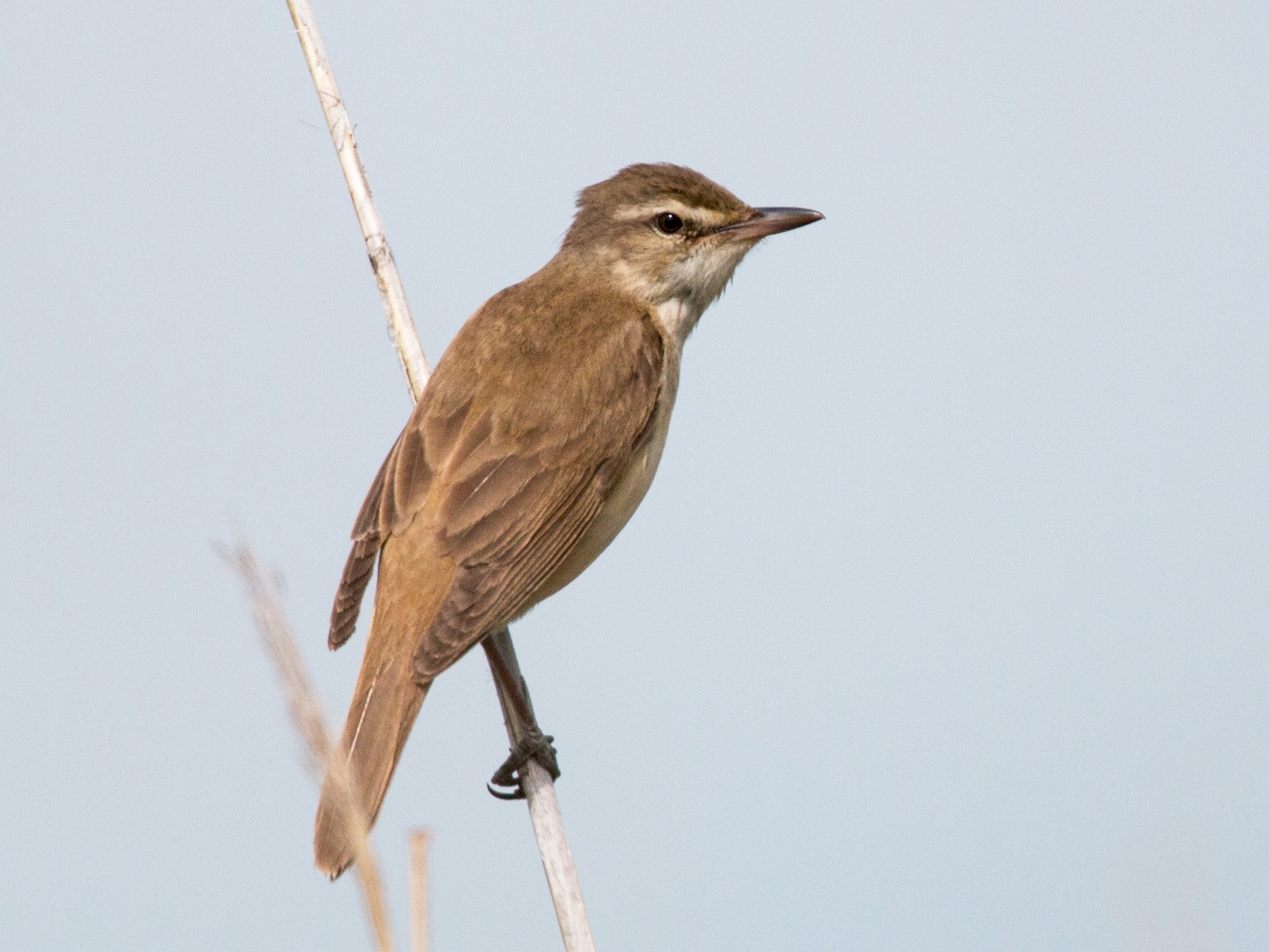
Grey-rumped Swallow, White-headed Saw-wing, Black Saw-wing, Northern House Martin, Lesser Striped Swallow, Rufous-chested Swallow, Mosque Swallow, Greater Striped Swallow which is rare/accidental, Red-rumped Swallow, Blue Swallow which is vulnerable, White-throated Swallow, Wire-tailed Swallow, Barn Swallow, Angolan Swallow, Ethiopian Swallow, Pearl-breasted Swallow which is rare/accidental, Rock Martin, Banded Martin, Mascarene Martin, Plain Martin, Sand Martin, Slender-billed Greenbul, Sombre Greenbul, Red-tailed Bristlebill, Lesser Bristlebill, Yellow-throated Greenbul, Spotted Greenbul, Honeyguide Greenbul which is rare/accidental, Joyful Greenbul, Yellow-bellied Greenbul, Stripe-cheeked Greenbul, Eastern Mountain Greenbul, Southern Mountain Greenbul, Shelley’s Greenbul, Yellow-whiskered Greenbul, Little Greenbul, Grey Greenbul, Plain Greenbul, Tiny Greenbul, Green-crowned Greenbul, Xavier’s Greenbul, Icterine Greenbul, Terrestrial Brownbul, Fischer’s Greenbul, Northern Brownbul, Grey-olive Greenbul, Cabanis’s Greenbul, Toro Greenbul, Yellow-streaked Greenbul, Baumann’s Greenbul, Leaf-love, Common Bulbul,
Wood Warbler, Willow Warbler, Common Chiffchaff, Brown Woodland Warbler, Uganda Woodland Warbler, Laura’s Woodland Warbler, Yellow-throated Woodland Warbler. Little Yellow Flycatcher Warbler, Livingstone’s Flycatcher Warbler, Green Hylia, Eurasian Blackcap, Garden Warbler, African Hill Babbler, Barred Warbler, Banded Parisoma, Brown Parisoma, Common Whitethroat.
Abyssinian White-eye, African Yellow White-eye, Pemba White-eye which is endemic, Broad-ringed White-eye, Brown Thrush Babbler, Pale-breasted Thrush Babbler, Mountain Thrush Babbler, Scaly-breasted Thrush Babbler, Rufous Chatterer, Scaly Chatterer, Black-lored Babbler, Brown Babbler, Arrow-marked Babbler, Scaly Babbler, Hartlaub’s Babbler, Northern Pied Babbler.
African Salpornis, Red-billed Oxpecker, Yellow-billed Oxpecker, Wattled Starling, Rosy Starling which is rare/accidental, Slender-billed Starling, Red-winged Starling, Chestnut-winged Starling, Waller’s Starling, Babbling Starling, Magpie Starling which is rare/accidental, Sharpe’s Starling, Stuhlmann’s Starling, Kenrick’s Starling, Abbott’s Starling which is endangered, Hildebrandt’s Starling, Shelley’s Starling, Rüppell’s Glossy Starling, Ashy Starling, Splendid Glossy Starling, Golden-breasted Starling, Superb Starling, Fischer’s Starling, Sharp-tailed Starling, Lesser Blue-eared Starling, Greater Blue-eared Starling, Amethyst Starling, Black-bellied Starling, Fire-crested Alethe, Eastern Bearded Scrub Robin, Miombo Bearded Scrub Robin, Rufous Scrub Robin, Brown-backed Scrub Robin, White-browed Scrub Robin.
Spotted Flycatcher, Ashy Flycatcher, Swamp Flycatcher, African Dusky Flycatcher, Sooty Flycatcher, Böhm’s Flycatcher, Grey-throated Tit Flycatcher, Grey Tit Flycatcher, Pale Flycatcher, African Grey Flycatcher, White-eyed Slaty Flycatcher, Northern Black Flycatcher, Southern Black Flycatcher, Silverbird, Olive-flanked Robin Chat, Cape Robin Chat, White-browed Robin Chat, Rüppell’s Robin Chat, Snowy-crowned Robin Chat, Red-capped Robin Chat, Blue-shouldered Robin Chat, Brown-chested Alethe, White-chested Alethe, White-starred Robin, Swynnerton’s Robin which is vulnerable, Collared Palm Thrush, Spotted Palm Thrush, Bocage’s Akalat, Lowland Akalat, Sharpe’s Akalat, East Coast Akalat which is near-threatened, Usambara Akalat, Iringa Akalat which endemic and vulnerable, Grey-winged Akalat, Rubeho Akalat, Forest Robin, White-throated Irania, Thrush Nightingale, Common Nightingale, Semi-collared Flycatcher, Collared Flycatcher which is rare/accidental, Common Redstart which is rare/accidental, Little Rock Thrush, Miombo Rock Thrush, Common Rock Thrush, Whinchat, African Stonechat, Moorland Chat, Sooty Chat, Northern Anteater Chat, Arnott’s Chat, Northern Wheatear, Capped Wheatear, Isabelline Wheatear, Pied Wheatear, Familiar Chat, Abyssinian Wheatear, Mourning Wheatear, Mocking Cliff Chat.
Red-tailed Ant Thrush, White-tailed Ant Thrush, Rufous Flycatcher Thrush, Spotted Thrush which is rare/accidental and vulnerable, Orange Thrush, Abyssinian Thrush, Groundscraper Thrush, Ethiopian Thrush, Usambara Thrush which is endemic and near-threatened, Bare-eyed Thrush, Kurrichane Thrush, and the African Thrush.
The above are the most, if not all the birds in Tanzania. Travelers can see these different birds in Tanzania all throughout the year, with the best time to visit being the wet season.