
Best time to visit Jozani Chwaka Bay National Park: Jozani Chwaka Bay National Park is located on the eastern coast of Zanzibar, Tanzania, and is a vital conservation area established in 1960, making it the only national park on the island. The park covers an area of approximately 50 sq. km, this park encompasses the lush Jozani forest and the picturesque Chwaka Bay, offering a unique blend of diverse ecosystems, including the mangroves, coral reefs and tropical forests. It is renowned for being the habitat of the endemic Zanzibar red colobus monkeys (procolobus kirkii), a species under threat due to habitat loss. In addition to these charming primates, the park is home to various bird species including the Zanzibar suni antelopes and numerous butterflies, making it a biodiversity hotspot. But when is the best time to visit Jozani Chwaka Bay National Park?
Jozani Chwaka Bay National Park can be visited anytime throughout the year though the best period is during the dry season in the months of June to October. This is when the weather is cooler and less humid, making it more comfortable to explore the park on foot. During this period there is less rainfall in the park which means that vegetation will be less hence giving you an opportunity to clearly view various animal species. During the dry season trails in the park will be dry therefore guided walks will be enjoyable compared to the wet season when trails are muddy and slippery.
The national park can also be visited in the wet/ rainy season during the months of March to May and November because this is the best time for bird watching therefore you will be able to view migratory bird species. During the wet season accommodation facilities offer discounts that favor budget travelers.
Amazing things to do in Jozani Chwaka Bay National Park
Guided nature walks: One of the best ways to explore the park is by taking a guided nature walk. The park is home to a variety of plants and animal species, including the rare and endangered Zanzibar red colobus monkeys. During your guided nature walks, you’ll have the chance to see a variety of these fascinating creatures in their natural habitat including learning about the park’s ecosystem and conservation efforts.
Mangrove boardwalk: Jozani Chwaka Bay National Park is known for its extensive mangrove forest, which plays a crucial role in the local ecosystem. A boardwalk has been built through the mangroves, allowing visitors to walk among these unique trees and observe the wildlife that calls them home.
Birdwatching: The park is a paradise for bird watchers, with over 136 different species of birds found within its borders. During your bird-watching safari in the park, you’ll have the opportunity to spot colorful birds such as Fischer’s Turacos, Mangroves Kingfishers, Malachite Kingfisher , African Pygmy Kingfisher , Brown-Headed Bellied Starliins, East Coast Akalats, Mouse-Coloured Sunbirds , Zanzibar Red Bishops, Greater Sand plovers, Crab Plovers , Saunder’s Tern , Brown-crowned Tchagra, Fork-tailed Drongo, African Crested Flycatcher, House Crow, Yellow-breasted Apalis, Lesser Swamp Warbler, Lesser Striped Swallow, Little Greenbul, Southern Yellow White-eye, Tanzanian Liliopsids, Spotted Flycatcher and Red-capped Robin-Chat among others.
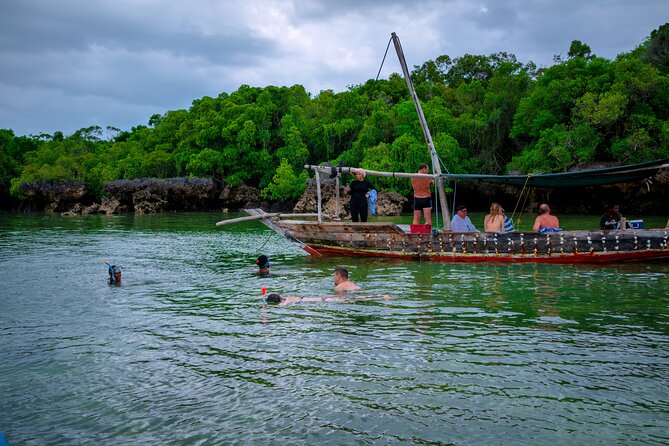
Boat tour: To truly appreciate the beauty of Jozani Chwaka Bay National Park, consider taking a boat tour along the Chwaka Bay coastline. Not only will you get a different perspective of the park from the waters, but you may also have the opportunity to see dolphins swimming in the bay
Butterfly garden: The park is also home to a butterfly garden, where tourist can observe and learn about the various species of butterflies that inhabit the area. Take a leisurely stroll through the garden and see these delicate creatures up close
Cultural tours: In addition to its natural wonders, Jozani Chwaka Bay National Park also has a rich cultural heritage. Visitors on a safari in the park have the chance to take a guided cultural tour to learn about the history and traditions of the local communities that live near the park and gain a deeper understanding of the island’s unique cultures.
Packing list for a safari in Jozani Chwaka Bay National Park
When planning for a safari in Jozani Chwaka Bay National Park, it’s essential to pack wisely to ensure comfort and safety. Here’s a suggested packing list;
Lightweight clothing: choose breathable, light-colored clothes to stay cool in the tropical climate and help with insect protection.
Comfortable foot ware: sturdy walking shoes or hiking boots are necessary for trekking through the forest and uneven terrain
Sun protection: a wide-brimmed hat, sunglasses, and sunscreen with high SPF are crucial to protect against the sun’s intense rays. Insect repellent: with the presence of mosquitoes, an effective insect repellent helps prevent bites and potential diseases like malaria
Reusable water bottle: staying hydrated is vital, a reusable water bottle reduces plastic waste and keeps you refreshed during walks.
Binoculars: for avid bird watchers and wildlife enthusiasts, bringing binocular enhances the experience of observing the rich biodiversity
Camera or smartphone: capture the stunning scenery and unique wildlife of the park with a good camera or smartphone.
Rain gear: a lightweight waterproof jacket or poncho can be handy during unexpected tropical showers.
First aid kit: a basic First aid kit with band-aids, antiseptic wipes, and any personal medications ensures you’re prepared for minor injuries
Snacks: high-energy snacks such as nuts and granolo bars can provide a boost during long explorations in the park
Guidebook or app: having a field guide or wildlife app can enrich tour understanding of the flora and fauna to encounter
Flashlight or headlamp: useful for early morning hikes or evening excursions, a Flashlight can help navigate and avoid hazards.