
A memorable Cultural tour in Kenya: Cultural tours in Kenya offer a fantastic opportunity to immerse yourself in the rich heritage of the country’s tribes. Engaging with these communities reveals to you their traditional beliefs, vibrant dances, and pastoral life as well as their unique festivals, marriage ceremonies, and polygamous customs. Visitors often find that the warmth and hospitality of the Kenyan people create a welcoming environment, making the experience even more memorable. The captivating aspects of Kenyan culture leave a lasting impression, leading many tourists to choose to extend their stay or settle in the country.
Kenya’s culture is vibrant and woven from the influence of expatriate workers, migrants, and intermarriages that began with the arrival of foreign settlers along the East African coast. The rich cultural interplay allows visitors to explore some of Africa’s most traditional tribes alongside communities that have embraced modern lifestyles in major cities/islands. Each town and city boasts are unique culture and has its own identity, often shaped by the dominant local tribes. While English serves as the national language, Swahili is widely spoken, acting as a unifying force among the diverse tribal groups, each of which retains its own distinct language and traditions.
While on your cultural tours in Kenya, you will have the chance to explore the country’s cultural heritages and villages such as;
Visit the Bomas of Kenya
If you’re short on time but eager to explore Kenya’s rich cultural heritage, the Bomas of Kenya is the perfect destination. Located in Nairobi along Lang’ata Road, this cultural center has been showcasing the diversity of Kenya’s tribal groups since its opening in 1971. At the Bomas, visitors can have the chance to participate in a variety of performances, traditional crafts, and vibrant displays that celebrate the country’s myriad cultures. This offers you a chance to see, experience, and learn everything there is to know about Kenya’s different cultural groups. The experience can be overwhelming and we recommend that you set aside a full day to enjoy everything on offer.
Visiting the Maasai People at the Loita Plains in Narok
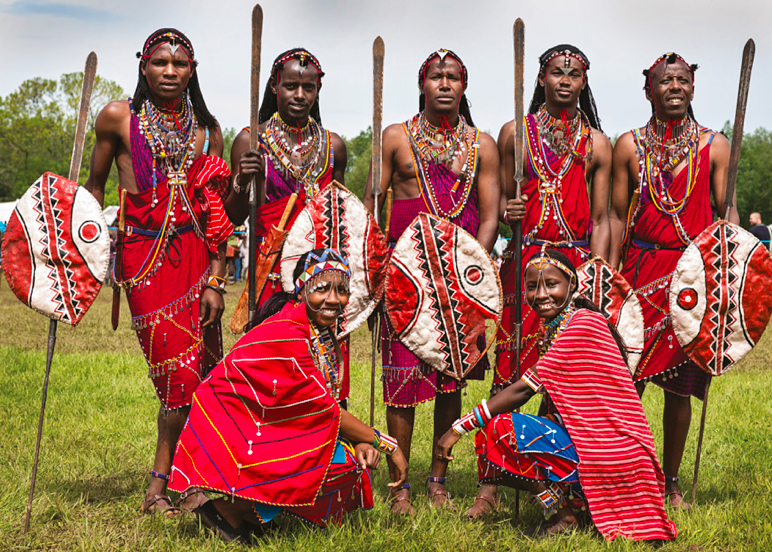
Visiting the Maasai people at the Loita Plains in Narok offers a unique glimpse into one of Africa’s most vibrant indigenous cultures. The Maasai are renowned for their striking traditional attire, intricate jewelry, and their historical reputation as fearless warriors. The Maasai depend entirely on their livestock and because of that live a nomadic life in search of pasture/water. Their homes are typically found in small communities of 8 to 15 houses. The settlements are protected from predators using thorn fences and bushes.
Many tourists exploring the Maasai Mara National Reserve have the chance to explore the Loita plains in Narok. While on the site, you’ll have the chance to engage with the Maasai communities to learn about their culture and traditions. During your cultural tours here, you will be guided to the Maasai homesteads. While with the Maasai, visitors help tend to the goats, and explore sheep and cattle. You will also have an opportunity to interact with tribal elders where visitors get to learn more about the history of the Maasai and their culture. Those fortunate enough to spend the evening with the Maasai may enjoy traditional folk songs, and captivating stories, and dance around a warm campfire, making for an unforgettable cultural experience.
Exploring Kenya National Museums Archives
Exploring the National Museums and Archives in Kenya is a must for anyone visiting the country, especially for those with limited time. The National Archives in Nairobi houses a wealth of records reflecting the diverse cultural heritage of Kenya’s various ethnic groups. Visiting the National Museums in Kenya is equally rewarding allowing you to see cultural artifacts and other information left behind by the British colonial government. Additionally, the resident dance troupe offers captivating performances, showcasing the beauty and vitality of Kenyan culture. A visit to these institutions promises both education and enjoyment.
Cultural tours to Mijikenda Kaya forests
To witness the unique cultures of some parts of Kenya, a visit to the Mijikenda Kaya forests is essential. The forest is located along the coast, these sacred forests house 11 distinct sites, each surrounded by ancient villages established in the 16th century. While most of the village departed in the 1940s, a dedicated group of elders remained to preserve their cultural traditions and values. these guardians ensure that the unique practices and beliefs of the Mijikenda people endure through generations. Visit the Mijikenda Kaya forests offer a captivating cultural encounter that is different from everything else we have discussed so far.
A visit to Turkana and El Molo
The Turkana people inhabit the arid northern part of Kenya, where they live as pastoralists similar to the Maasai. The harsh landscape forces them to migrate frequently in search of fresh pasture and water for their animals. However, with the increasing impact of climate change and land degradation, many Turkana are diversifying their livelihoods, finding work in urban areas, or engaging in fishing at Lake Turkana. Visit the Turkana offers a rich cultural experience, echoing the traditions of the Maasai. A visit is incomplete without exploring the shores of Lake Turkana, home to the endangered El Molo tribe, providing a unique glimpse into their way of life.
Visit to Luo Speaking people
The Luo are one of the three dominant ethnic groups in Kenya. This group of people was believed to have migrated from South Sudan through Uganda to their current settlement- Kenya. Today many reside in Kisumu and the border Nyanza province, which is situated near the shores of Lake Victoria. Engaging with the Luo people offers a unique opportunity to immerse yourself in their vibrant culture while exploring the stunning landscapes around them. During your cultural tour here, a visit to Lake Victoria is a must, as is the historical site of Kit-Mikayi. Kit-Mikayi is an important rock formation revered by the Luo community. This sacred site remains a place for sacrifices and prayers, reflecting the deep spiritual connection the Luo have with their heritage and environment.
Experience the Islamic Culture in Lamu
Lamu, Kenya’s oldest coastal town, is a vibrant archipelago rich in Swahili and Islamic heritage. Known for its well-preserved traditions, Lamu offers visitors a unique glimpse into the life of Arab traders as far back as the 11th Century. The town’s narrow winding streets are best explored on foot or donkey, a testament to its commitment to preserving traditional modes of transport. While in Lamu, tourists can enjoy the serene beaches of nearby islands and engage in activities like dolphin swimming and various water sports. By the end of your visit, tourists will be enchanted by the stunning scenery, and ancient buildings and learn a lot about the history of the Swahili culture.
Exploring Mombasa
Beyond its stunning Indian Ocean, Mombasa is a vibrant hub for experiencing the rich and diverse Swahili culture. There’s a local saying that you haven’t truly grasped the Swahili language until you’ve conversed with someone from Mombasa, which underscores the city’s unique linguistic charm. The influence of Arab and Persian traders, who first arrived on the East African coast over 400 years ago. Their intermarriage with local communities gave rise to a distinct Swahili identity. The city is also home to breathtaking architectural gems, such as Fort Jesus, built by the Portuguese in 1593 to protect trade routes. Mombasa is a captivating blend of history, culture, and stunning coastal scenery, making it a must-visit destination.