
A Glimpse Of The Galleries At The National Museum Of Tanzania : The National Museum of Tanzania is a prominent cultural institution located in Dar es Salaam, the largest city of Tanzania. Established in 1934, it serves as a showcase of the country’s rich heritage, diverse cultures, and natural history. The museum plays a crucial role in preserving and promoting Tanzania’s historical artifacts, archaeological discoveries, and traditional arts and crafts. As you step inside the museum, you are greeted by a world of knowledge and discovery. The National Museum of Tanzania is divided into several departments, each dedicated to showcasing different facets of Tanzania’s past and present. From archaeological treasures to ethnographic exhibits, from prehistoric fossils to vibrant artworks, the museum’s expansive collection is a testament to the country’s cultural richness.
The National Museum of Tanzania is not just a repository of artifacts and exhibits; it is a hub of knowledge and cultural exchange. Educational programs, temporary exhibitions, and cultural events regularly take place within its walls, providing opportunities for visitors to delve deeper into Tanzania’s heritage and engage with its vibrant cultural scene.
Whether you are a history enthusiast, an art lover, or a nature lover, the National Museum of Tanzania offers something for everyone. It serves as a gateway to understanding the rich tapestry of Tanzania’s past and present, celebrating its diverse cultures, preserving its archaeological treasures, and promoting an appreciation for the country’s natural wonders. Come, embark on a captivating journey of exploration and discovery at the National Museum of Tanzania, and immerse yourself in the vibrant heritage and fascinating stories that make this museum a true gem in East Africa.
The National Museum of Tanzania encompasses several galleries that showcase different aspects of the country’s rich heritage. Let’s delve into each of these galleries in more detail.
The Prehistoric Gallery of the National Museum of Tanzania is a captivating exhibition space that offers visitors a remarkable journey into the ancient history of Tanzania. This gallery showcases significant archaeological discoveries, fossil remains, and artifacts that provide insights into the region’s prehistoric past, particularly in relation to human evolution and early civilizations. Upon entering the Prehistoric Gallery, visitors are immediately immersed in a world that predates recorded history. The gallery presents a chronological display, guiding visitors through the different periods of prehistory in Tanzania, starting from the Stone Age and progressing towards more recent eras.
We then have the Archaeology Gallery. This gallery takes visitors on a journey through Tanzania’s ancient past. It displays a diverse range of archaeological artifacts, including stone tools, pottery fragments, and ancient artwork. Visitors can observe the progression of human ingenuity and technological advancements from the Stone Age to more recent periods. The gallery also highlights significant archaeological finds from renowned sites like the Olduvai Gorge, shedding light on the fascinating story of human evolution.
The third one is the ethnography Gallery. The Ethnography Gallery celebrates Tanzania’s cultural diversity. It features a vibrant collection of traditional costumes, showcasing the distinct styles, textiles, and designs of different ethnic groups and tribes across the country. Musical instruments, religious objects, and ceremonial artifacts provide insights into the spiritual beliefs, rituals, and cultural practices of various communities. Visitors can immerse themselves in the rich tapestry of Tanzanian culture, appreciating the customs, traditions, and ways of life that make each group unique.
Another vital gallery is the Paleontology Gallery. In the Paleontology Gallery, visitors are transported to a time long before humans inhabited the Earth. This gallery exhibits fossil remains and skeletal reconstructions of prehistoric creatures, including dinosaurs and other ancient fauna. It showcases Tanzania’s rich paleontological heritage and its significance in understanding the evolution and biodiversity of our planet. Visitors can marvel at the scale and diversity of these prehistoric giants and learn about the scientific discoveries made in Tanzania’s fossil-rich sites.
Natural History Gallery is the fifth gallery on our list. The Natural History Gallery provides a comprehensive exploration of Tanzania’s ecosystems and biodiversity. It features taxidermy specimens of native wildlife, allowing visitors to observe and appreciate the country’s diverse animal species up close. The gallery also presents botanical displays, showcasing the unique flora that thrives in Tanzania’s varied landscapes. Additionally, geological samples highlight the country’s rich mineral resources and geological formations.
The last type of gallery is the Temporary Exhibition Spaces. The National Museum of Tanzania often hosts temporary exhibitions, which cover a wide range of topics and themes. These exhibitions provide a platform for showcasing contemporary art, exploring specific historical events, or addressing pertinent social issues. The temporary exhibition spaces allow for dynamic and ever-changing displays that keep visitors engaged and offer fresh perspectives on Tanzanian culture and history.
Throughout the galleries, interactive displays, multimedia presentations, and educational materials enhance the visitor experience. These features provide deeper insights into the exhibits, allowing visitors to engage with the content and gain a comprehensive understanding of Tanzania’s rich heritage.
By offering diverse galleries, the National Museum of Tanzania aims to cater to a broad range of interests, from archaeology and anthropology to paleontology and natural history. Each gallery provides a unique and immersive experience, inviting visitors to explore and appreciate the country’s cultural, historical, and natural treasures.
Tanzanian museums offer a wealth of information and insights into the country’s rich history and culture. The galleries on display showcase the country’s diverse cultures, natural history, and prehistoric past. Visitors can learn about the country’s early inhabitants, its colonial period, its struggle for independence, and its development into a modern nation. They can also see a wide variety of art, from traditional paintings and sculptures to modern works of art.
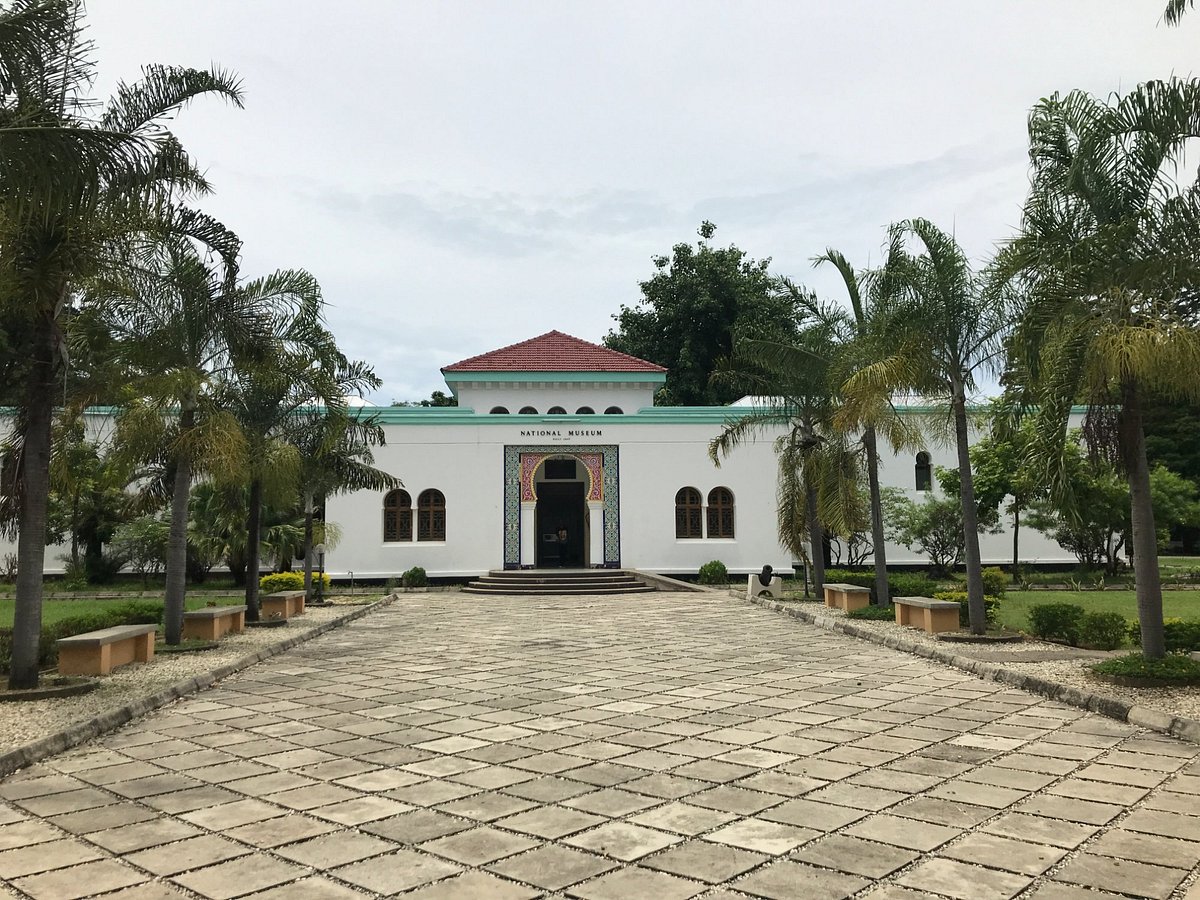
The National Museum of Tanzania is a great place to start your exploration of Tanzanian culture. It is located in the capital city of Dar es Salaam and is open to the public from 9:00 AM to 5:00 PM, seven days a week. Admission is $10 for adults and $5 for children.
There are also a number of other museums in Tanzania that are worth visiting. These include the Village Museum in Dar es Salaam, the National History Museum and the Arusha Declaration Museum in Arusha, and the Mwalimu Julius K. Nyerere Memorial Museum in Butiama. No matter where you go in Tanzania, you’re sure to find a museum that will help you learn more about the country’s fascinating history and culture.