
7 Fascinating Facts about Nyerere National Park : Tanzania has world-famous destinations like the Serengeti, Ngorongoro, Kilimanjaro, etc. Most of these hotspots lie in the northern part of the country and are always a piece of cake for many visitors. But there is a less-visited yet appealing side of this country—the southern circuit. In this zone, you’ll meet one of the pristine wildlife sanctuaries, the Nyerere National Park.
Nyerere National Park may be unknown to some, but it’s popular among many. This destination was formerly called the Selous Game Reserve. It’s located in the southeastern region of Tanzania and very accessible from Dar es Salaam, the business capital of Tanzania. You probably know a bit about this park, but this article unveils 7 interesting facts about Nyerere National Park.
- It’s the largest national park in Africa
No other park matches Nyerere National Park’s size. Its total area is 30,893 square kilometers. So, Serengeti (14,760 km2) is twice as big as Nyerere. Formerly, it held the title of the biggest game reserve covering 54,600 square kilometers. Its habitat ranges from savanna plains, open woodlands, lush forests, etc.
Nyerere beats other African national parks when it comes to size. They include Kafue National Park in Zambia (22,400 sq km), Etosha National Park in Namibia (22,270 sq km), Kruger National Park in South Africa (19,455 sq km), Luvushi National Park in Malawi (15,000 sq km).
- The Rufiji River is navigable.
The Rufiji River is a majestic river passing through both Nyerere and the Selous Game Reserve. It divides this park into two sections. One section is a gem for photographic tourists simply because of the beautiful scenery and stunning vegetation, and the other is perfect for wildlife viewing.
The funny fact about Nyerere is that you can embark on a calming boat cruise or canoe safari something not possible in the Serengeti and Ngorongoro. Embark on a life-enriching morning drive to lunchtime and spend your afternoon floating in the crystal-clear waters of the Rufiji River or Lake Tagalala, especially during the rainy season. Sunset boat cruises are more rewarding than you think. Witness the red sun sinking into the lush forest in the west of Nyerere National Park.
- It’s unknown and secluded
Unlike the Serengeti, Ngorongoro, Tarangire, and other Northern Circuit destinations, the Nyerere is little known. It receives a few visitors throughout the year. The dry season is usually the favorite period for many visitors. So, some destinations may be overcrowded during this season. However, the Nyerere never gets crowded. You’ll explore the undisturbed parts of this stunning park.
Enjoy driving to the untouched parts of the wilderness, with just you and the guide. In addition to being remote, Nyerere National Park is so huge. And you can go the extra mile to places where no one has been to avoid the crowd and explore more wildlife.
- It’s home to a diverse wildlife.
Nyerere National Park is home to a significant wildlife population. You may see four animals making the Big Five – lions, leopards, elephants, and buffalos. The rhino is very hard to find.
This Park is one of the best places in Tanzania to see lions. Estimates put the lion population in Nyerere and the Selous Reserve between 1,700 and 6,900. These sociable predators usually prides – a group of up to 15 lions comprising adult males, females, and cubs.
The grey giants are also abundant. You can spot them in open woodlands and grassy plains, or along the Rufiji River where they go to relieve thirst.
Besides the Big Five, the Selous ecosystem has plenty of animals to see in this park, including thousands of hippos, wildebeests, zebras, and many others. It is one of the best places for the hippos. The number of these water-loving ungulates is staggering. Over 40,000 hippos inhabit seasonal lakes like Tagalala. There are even better sightings along the mighty Rufiji River.
- It’s home to 450 bird species.
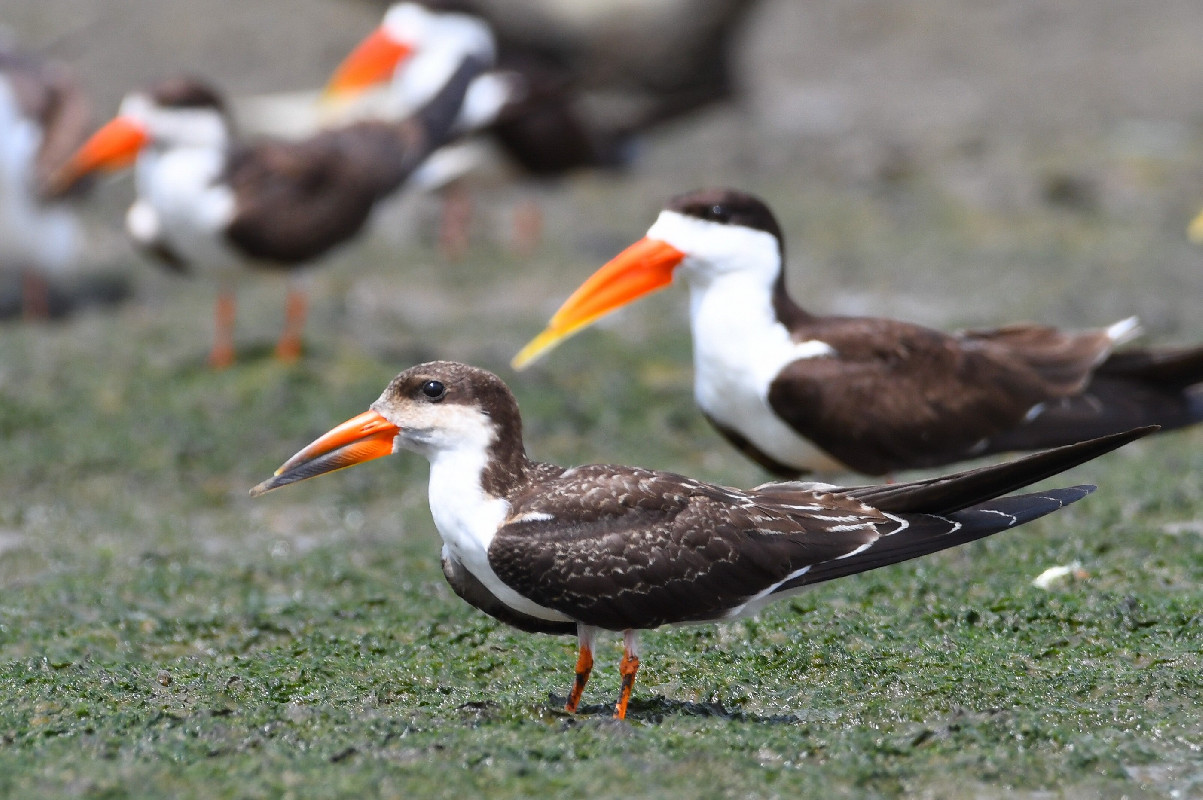
If birdwatching is all you want, then this is the right place. This park is home to more than 450 different species of birds, including migratory species that arrive between November and May. Birders will enjoy seeing birds like yellow-billed storks, pink-backed pelicans, African skimmers, ibises, giant kingfishers, purple-crested turaco, white-fronted bee-eaters, Malagasy squacco herons, fish eagles, hornbill, and many more birds. Boat cruises are very rewarding when it comes to birdwatching. Waterbirds like flamingos and pelicans, and other birds can be seen.
- It’s a gem for photographers
If you’re an avid wildlife photographer looking for a pristine location, Nyerere National Park is your best spot. Its lush, virgin, and thick forests form an enchanting backdrop for your pictures. Yet, the stunning wildlife, surviving in their natural habitat freely makes your photos more authentic and eye-catching.
- It’s accessible from Dar es Salaam.
If your itinerary will begin in Nyerere, then you don’t have to land at Kilimanjaro International Airport (JRO), though you’re not restricted. Just land at Julius Kambarage International Airport (Dar). This airport has a lot of international flight options possibly less than the KIA.
So, the most convenient way to fly from Dar es Salaam to Selous will take you about 45 minutes. You can also fly from Ruaha National Park, or drive off the beaten path for 9 hours at one of the Nyerere’s park gates. There is another option of booking a train, but it’s convenient if you’re in a hurry.
Nyerere is the ultimate destination for your next African safari, something to tick off your bucket list. With guides, safari planners, and other experts all having solid experience in curating Tanzania safaris, Focus East Africa Tours will make your safari tour remarkable. Plan a trip with us.