
The Wamala tombs are located in the Wakiso district, specifically in a sub-county called Nabweru; this site is traditional for the Buganda people, as it is where Kabaka Ssuna II, the 29th king of Buganda and son of Kabaka Kamanya, was buried. He was the predecessor to Kabaka Mutessa I. This sacred heritage site has existed for over 100 years with traditional rituals carried out.
The Wamala tombs provide visitors with diverse arrays of traditional Spears, drums, shields, royal artifacts and many more. The tombs are very accessible from Uganda’s capital, just about a 30 minute drive and you reach the tombs, the Wamala tombs have very rich history and fascinating stories that entice you to visit the royal tombs. The shieldsand Spears are said to guard the bark cloth, which is believed to protect the forest, which he went to live a new ending and a new life.
During the reign of Kabaka Ssuna, the Arabs came to exploit ivory in Uganda in the name of spreading the Islamic religion; the Kabaka was deceived and bribed with mirrors and guns. He took a mirror to be so magical, especially when he saw the reflection of his image mirrors had not yet been in the kingdom at the time of Arabs in 1844. It is said that one of the Kabaka’s wives was given to one of the Arabs during this time; the woman is said to have been taken to Ethiopia, where she gave birth.
While visiting Wamala hill, tourists can also extend their Uganda Cultural safari to the top hill called Kagoma; this is the place Ssuna built for his mother, Namasole Kanyange. The Wamala tombs are built in a beautifultraditional African architecture tapestried with a grass thatched roof. The tombs are also preserving the late Kabaka’s dead twin’s umbilical cords. Kabaka Ssuna WA was also the first king to wear a Kanzu that was brought by Arabs.
The hill on which the Wamala tombs are located used to be called Wamunyenye; it derived this name because the traverse roads on the hill lined up with glittering stones similar to the stars. There are two contradictory stories on how the hill came to be called Wamala. The Buganda people are fond of making offerings to the dead king and to other spirits within the tombs.
It is said that at a certain time, there was strife and contention within the Kabaka’s palace and the mother of Ssuna ran away, taking her son, who should have lain near lake Wamala in Mityana. After sometime, Ssunas father died and the son had to be brought back home to Kasengejje. He decided to settle in Wamunyenye and renamed the place Wamala this was because the Buganda culture had a tendency of naming a place after a place where the king was from so he named this place Wamala because this is where he had been when the palace was in trouble.
The second story says that he named this place Wamala, deriving it from the word “ Wano Wamala” to mean “Let’s stop here” he stopped at Wamunyenye hill on his way back from lake Wamala hence the place got its name from there.
Ssuna was the son of Kabaka Kamanya, the first Buganda king to receive the Arab traders. Ssuna ruled from 1836 to 1856 he was so dictatorial and powerful that he even added two counties to the kingdom of Buganda: Buyaga and Bugalazi counties. Ssuna had 148 wives and 218 children; he was the last king to have his jaw removed and the last to be buried in his palace. The Kabaka’s jawbone was always removed after a bath and placed in the royal sanctum staffed by his followers; it was believed to have his spirit.
The current Buganda king and his kingdom officials take this place as a sacred site where they still hold their traditional rituals and ceremonies, allowing them to communicate with their ancestors. Kabaka Ssuna also built the Kasubi tombs, one of the world’s Heritage sites; this was his first palace but since he wanted to be close to his mother, he stayed at Wamala.
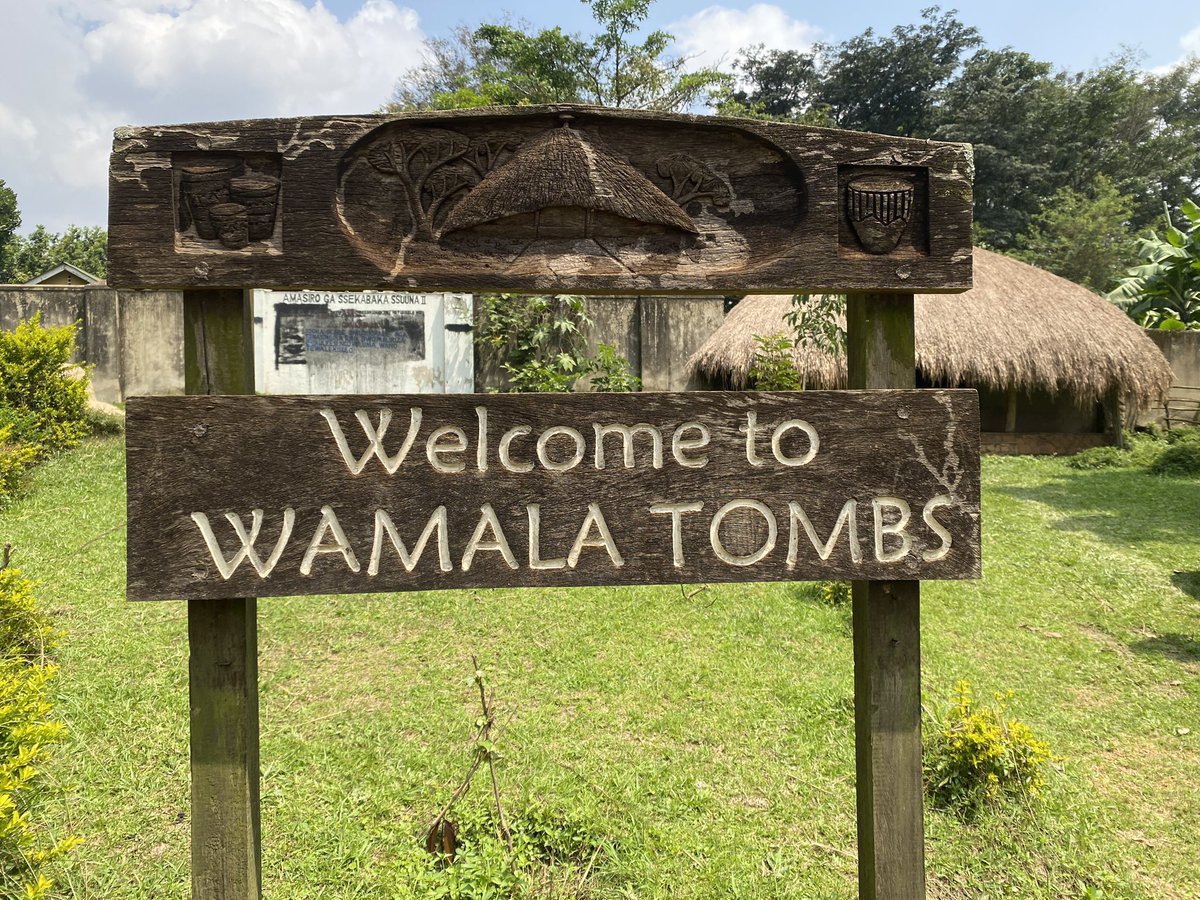
The Wamala tombs can be located along Kampala-Hoima road just about 13 kilometers, or just a 30 minutes drive northwest of the city center.
Tourists visiting Wamala tombs can lodge in any accommodation units in town; the accommodation ranges from budget to midrange and luxurious hotels some of the hotels where to sleep are the Serena hotel, the Sheraton hotel, the Hotel Africana and many more within Kampala City.