
Mwea national reserve is located in Embu county Mbeere district – Kenya near Siakogo, northwest of the Kamburu dam plains covering an area of about 42 square kilometers squared, the reserve is characterized by savanna grasslands, baobab, bushy vegetation and acacia trees, boasting wildlife roaming about the plains.
Mwea national reserve is bordered by the Thiba River from the Eastern part and the Tana river to the South, the reserve was established in 1976 and is managed by the Kenyan wildlife service and other organizations that have helped in funding the reserve for its development.
Mwea national reserve is also home to over 150 species of birds, some of them highly endangered and endemic to this area, the reserve receives annual rainfall of 510-760mm making the climate semi-arid, and some of the roads might be impassable within the park due to elephants bringing down trees.
Activities at Mwea national reserve
Game viewing
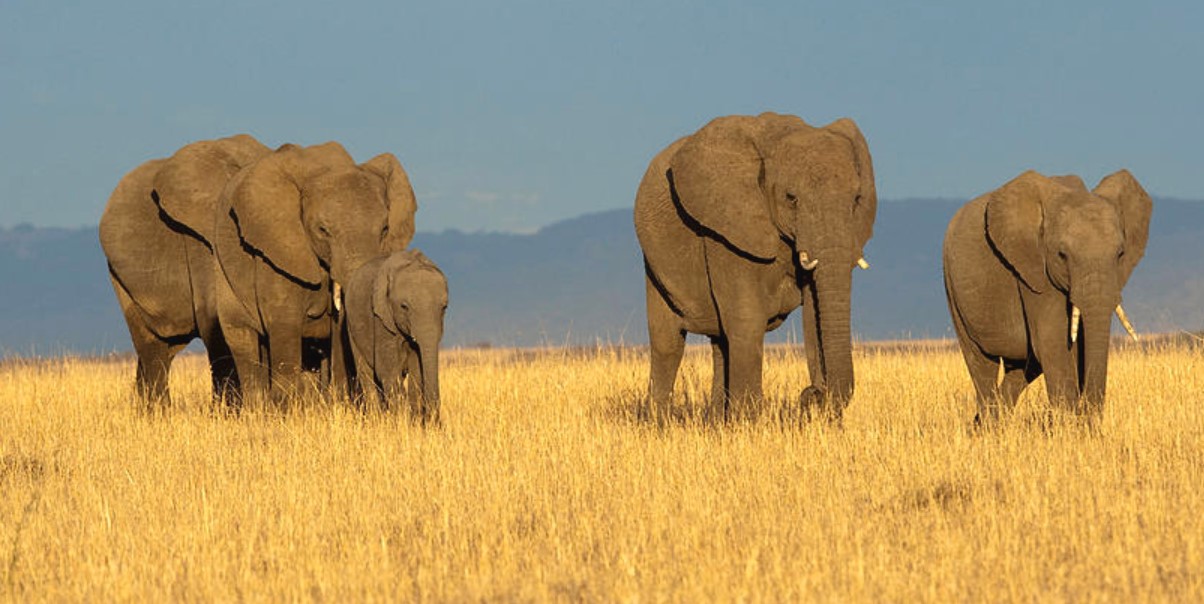
Mwea national reserve is home to animals, for example; striped ground squirrels, genets, black-backed jackals, rock hyraxes, yellow baboons, waterbucks, zebras, buffalos, bushbucks, African leopards, African elephants, impalas, lesser kudus, common duikers, Nile crocodiles, giraffes, bush pigs, Sykes’ monkeys, warthogs and hartebeest, to mention a few.
Birdwatching
Mwea national reserve is home to over 200 bird species; some of the birds are endemic to this area examples of birds to be seen are the Hinde’s babbler, Pel’s fishing owl, Malagasy pond heron, and white-backed night heron.
Boat riding
Tourists at Mwea reserve can have a thrilling experience at Kamburu dam and see many water birds and beautiful sceneries and lots of hippos coming close to their boat.
Camping
Mwea national reserve has various campsites, public and private; camping is one of the best ways to feel closer to the wild than even spending a night in a luxury hotel. The reserve has got seven campsites namely; Githechu camp, Sylvester camp, Kyangosi camp, Kanyonga camp, Mbogo camp and Hippo- point camp. These camps always provide all the basic needs for your Safari to be memorable.
Nature-guided walks
There are a variety of walking trails that have been created to suit your walking safari with animals sighting points
Picnics
The best way to explore the reserve is on a planned picnic trip; as it’s small, it can actually be explored within two hours, there are a number of picnic sites put in place where you can enjoy your lunch with greater views of nature.
Where to stay
There are only seven campsites within the park; the other accommodation can be found outside in the nearby towns.
How to get there
Mwea national reserve can be accessed from Nairobi via Thika road, the journey always lasts for about three hours, it’s 200 kilometers from Nairobi there also an optional and better route tourists can use via the Embu route instead of Thika. There is an airstrip near the reserve known as Masinga airstrip for those who want to travel by air.