
Boni national reserve situated in Garissa county at the coastal region of Kenya. The park borders Somalia with a humid, hot climate influenced by the south, northeast, and eastern monsoon winds. Bonj national reserve covers an area of 1339 square kilometers, and the forest reserve has all of the tree species not found in other forests.
The Boni forests, after which the reserve is named, have also been declared a biodiversity hotspot due to numerous plant species; the rainfall ranges from 750 to 1000 mm, temperatures vary from 15 to 38°C, and there are normally two rainy seasons.
Boni forest national reserve is renowned for its large herds of elephants and other animals, not forgetting bird species; the park derives its name from the Boni tribe surrounding the area. Some of the trees in the reserve are very rare, including Excoecaria bussei, Croton megalocarpoides, and Homallium abdesseamadii; additionally, the reserve is characterized by lowland forests, marshy glades, and ground forest ecosystems.
Boni national reserve was established in the year 1976 to protect elephants due to heavy poaching that was carried out in the reserve and is now managed by the Keyan wildlife service. The forest offers raw materials for the woodcarving industry.
Activities at Boni national reserve
Game viewing
Boni national reserve boasts with numerous wildlife, namely elephants, topis, buffalos, duikers, gerenuks, aardwolf, African wild dogs, waterbucks, honey badgers, Oribis, porcupines, squirrels, aardwolf, hippos, bush pigs, Kirk’s Dik Dik, lesser kudus, warthogs, lycaon pictus, black-backed jackal, wild dogs, caracals, Grant’s gazelles, spotted hyenas, primates like, yellow baboon and vervet monkeys, among others
Birdwatching
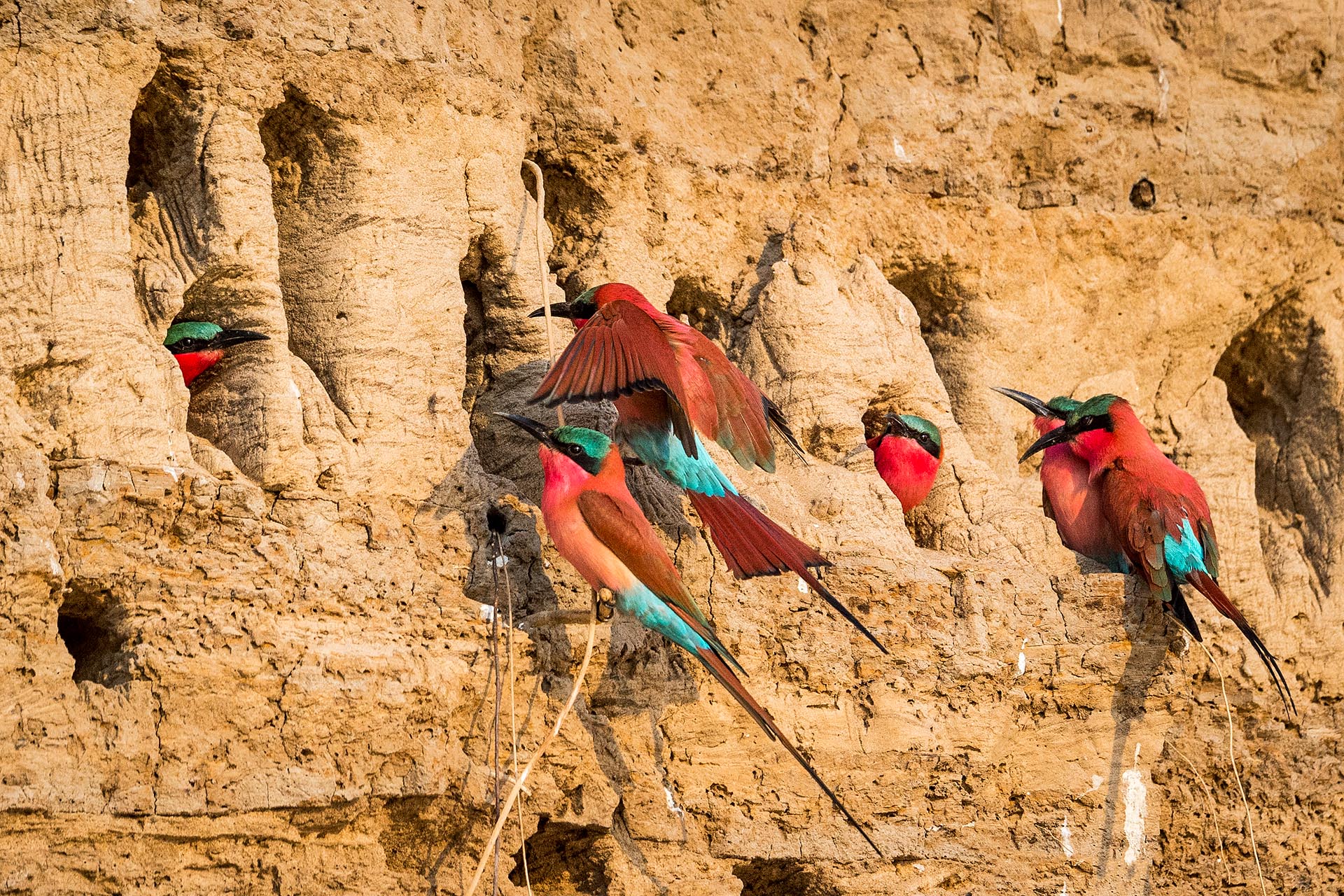
Boni national reserve is endowed with various birds—over 150 species of both migratory and residential birds some if the birds found at the park are violet-breasted sunbirds, African fish eagles, sanderlings, honey buzzards, brown-headed kingfishers, Carmine bee eater, African darters, hammerkops, sokoke pipits, Chestnut fronted helmet shrikes, Fischer’s turacos, fiery-necked nightjars, Hartlaub’s bustards, and black-bellied and Mombasa woodpeckers, to mention a few.
Nature-guided walks
Tourists can take nature-guided walks to the Boni forests and come across many tree species, some not recorded elsewherein Kenya; they will also have high chances of seeing elephants and other wildlife, not forgetting a birding experience.
Cultural experience
Tourists visiting Boni forest reserve can get involved with people by visiting the locals and seeing how life can differ in different parts of the world, there also a number of gifts you can acquire from the local craft shops to take home for remembrance or loved ones.
Best time to visit
The climate of the Boni game reserve is hot and arid, making it suitable for visits throughout the year; however, the only thing that spoils it is the rainy season, which makes the roads a bit impassable.
Where to stay
The park currently has no accommodation within but there are accommodation units at Lamu and other surrounding towns
How to get there
Boni national reserve can be accessed by road through Garissa, which is 7 hours from the park. Garissa town is 12 hours and 27 minutes from Nairobi.