
Explore Tarangire National Park : Tarangire National Park is a national park in Tanzania’s Manyara Region. The name of the park originates from the Tarangire River that crosses the park. The Tarangire River is the primary source of fresh water for wild animals in Tarangire Ecosystem during the annual dry season. The Tarangire Ecosystem is defined by the long-distance migration of wildebeest and zebras. During the dry season thousands of animals concentrate in Tarangire National Park from the surrounding wet-season dispersal and calving areas. The national park covers an area of approximately 2,850 square kilometers. Tarangire National Park lies between the Tarangire River and the Great Rift Valley, bordered by the Tarangire River in the West and Maasai steppe in the East. The landscape is composed of granitic ridges, river valley, and swamps. Vegetation is a mix of acacia woodland, combretum woodland, seasonally flooded grassland, and baobab trees. Tarangire National Park was established in 1970 and became one of the Tanzania’s national parks at a time when the country was beginning prioritize wildlife conservation and tourism. The park was initially designated to protect the area’s wildlife habitats and migratory routes, which are critical for various species, particularly during the dry season.
Tarangire National Park is renown for its biodiversity and serves as a sanctuary for a plethora of wildlife species, some of the park’s notable wildlife includes elephant, lion, cheetah, leopard, wildebeest, grant’s gazelle, giraffe, zebra and lesser kudu. Tarangire is also a birdwatcher’s paradise housing over 500 species of birds such as , ostrich, pink-breasted lark, rufous-tailed weaver, slate-coloured boubou, vulturine guineafowls , yellow-collared lovebird, African grey flycatcher, ashy starling, bare- faced go-away birds, Donaldson smith’s nightjar, great white pelican, mouse-coloured penduline tit and norther pied babbler, the park is also home to numerous reptiles including different species of snakes, lizards and tortoises as well as several species of frogs.
What is the best time to visit Tarangire National Park
The best time to visit Tarangire National Park in Tanzania is during the dry season, which typically runs from June to October. This is when the weather is cooler and the vegetation is less dense, making it easier to spot wildlife. During the dry season, the Tarangire River is a major waters source for wildlife, drawing large number of animals to its banks. This makes for fantastic game viewing opportunities as you are likely to see large herds of elephants as well as giraffes, zebras, wildebeests, impalas and more.
Additionally, the dry season is also the best time for birdwatching in Tarangire National Park. Many birds species migrate to the park during this time, making it a fantastic destination for bird enthusiasts. It is worth noting that the dry season is also the peak tourist season in Tarangire National Park, so it is advisable to book accommodations and safaris in advance to ensure availability.
What are the best safari activities to do while on a Tarangire National Park safari?
Game drives
Game drives are the quintessential safari activity in Tarangire National Park, renowned for its vast savannah and diverse wildlife. These excursions usually tale place in specially designed 4×4 vehicles that offer an elevated vantage point for potting animals. Game drives in the park are conducted in seasons, that’s to say early morning game drives and late afternoon, this is the time when the animal are mots active. during a game drive safari in the park, you’ll have the chance to encounter larger herds of the elephants, zebras, giraffes, oryx, elands, lion, cheetah, leopard and wildebeest. The park also features several biodiversity hotspots such as the Tarangire River, which draws animals from the surrounding areas ensuring spectacular wildlife sightings. Guides often share their expertise on animals’ behavior, tracking signs and bird identification enriching the overall experience. Game drives not only present opportunities for memorable wildlife encounters but also create a deeper connection with Tarangire’s natural beauty, making this activity a must-do for any safari enthusiast.
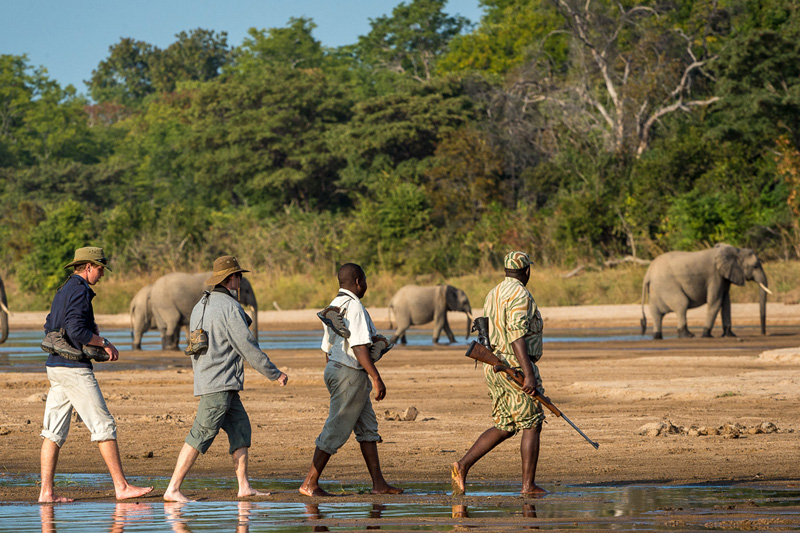
Walking safaris
Walking safaris in Tarangire National Park offers an intimate experience with nature, allowing you to engage with the environment in a way that traditional game drives cannot offer. Walking safaris in a park are guided adventures which exposures visitors to the hidden games of the park, this excursion typically last for about 3-5 hours and allows visitors a close encounter with smaller with smaller wildlife, plants and unique ecosystems. Guided walking safari also allow ground level adds excitement and a distinct element of adventure to the safari experience. During your walking safari, you will have the opportunity to encounter different colorful wildlife such as elephants, zebras, giraffes, oryx, elands, lion, cheetah, leopard and wildebeest, bird species like, African grey flycatcher, ashy starling, bare- faced go-away birds, Donaldson smith’s nightjar, great white pelican, mouse-coloured penduline tit as well as beautiful flowering plants on the way.
Birdwatching
Tarangire National Park is a paradise for bird watchfires, boasting over 500 bird species that inhabit its diverse ecosystems. The park is especially significant during the wet season, when migratory birds arrive, transforming the landscape into a vibrant tapestry of colors and sounds. During your birdwatching excursion in the park, you will have to chance to spot a variety of colorful birds such as Ostrich, Nightjar, White-faced Whistling Duck, Fulvous Whistling Duck, Maccoa Duck which is an endangered species, Egyptian Goose, Helmeted Guineafowl, Vulturine Guineafowl, Flamingo, Black-necked Grebe, African Olive Pigeon, Dusky Turtle Dove, White-browed Coucal, African Black Coucal and Jacobin Cuckoo among others.
Night safaris
Night safaris in Tarangire National Park offer a thrilling opportunity to witness the behaviors of nocturnal wildlife that become active after sunset. Unlike daytime safaris, these excursions allow visitors to explore the park under the cover of darkness, offering a unique perspective on the African bush. During a night safari, you may encounter elusive animals such as leopards, hyenas, lions, and other rare African wild dogs, along with many smaller creatures that come alive at night including owls and various insects. The guides not only focus on wildlife butt also share fascinating stories about the life cycle of the nocturnal species and their adaptations to the night environment.