
Can You Climb Kilimanjaro With Asthma? How You Should Prepare : Can I climb Mount Kilimanjaro with Asthma? The short response is “yes,” since numerous people with asthma have successfully reached the peak of Kilimanjaro. Africa’s highest peak, Mount Kilimanjaro, is also the world’s largest free-standing mountain. In addition, it records the highest altitude at the summit, leading many to wonder if climbing Kilimanjaro with asthma is actually feasible.
All you have to do is recognize the kind of asthma you have and how difficult it is for you to climb Mount Kilimanjaro. Once you know the answer, you can begin making plans to climb Kilimanjaro while suffering from asthma. You will then be halfway prepared. Before ascending Mount Kilimanjaro, consider the following basic preparations:
High Altitude and Asthma:
There are five distinct ecological zones at varying elevations, which contribute to the unfavorable weather at high altitudes. The lungs’ mucous membranes may become dry due to the reduced oxygen content and the dry, cold air, which could result in allergy symptoms. You will experience some effects while climbing Mount Kilimanjaro if your asthma is stable.
Therefore, it would be a good idea to completely cover your respiratory system. If, following a medical examination, your doctor issues a clearance certificate of fitness, you can climb Mount Kilimanjaro while having asthma. Steer clear of the strenuous activities at high altitude. Before breathing at a high altitude, keep your inhaler warm and rub it with your palms for two minutes. Carry over some cold and asthma medication. Make sure you have enough water to drink.
Before climbing Mount Kilimanjaro, you should see a doctor and take the recommended medicine if your asthma is severe. But anyone suffering from altitude sickness should keep in mind that asthma won’t make it worse. These two are entirely distinct from each other. To control asthma while traveling at high altitude, do these steps:
- Always carry the prescribed asthma rescue medications.
- Keep the inhaler in a warm place.
- Wear a mask over your mouth and nose to warm the cold air.
- Stay calm and relaxed.
See how your body reacts to higher elevations:
You should find out how your body responds to greater altitudes if you intend to climb Mount Kilimanjaro while suffering from asthma. Breathing becomes more difficult as you ascend higher. The body responds by trying to breathe more air and absorb more oxygen. You might be unable to ascend any higher, though, if you are still low on oxygen.
Checking your typical breath near a high elevation point is necessary. Take note of your breathing and pulse rate while at a high altitude. Speak with your physician and engage in breathing and cardiovascular exercises to help you prepare for a successful ascent of Kilimanjaro.
The altitude sickness is another challenge.
You are aware of how difficult it is to climb Mount Kilimanjaro while suffering from asthma. Altitude sickness, however, is another factor that poses a serious risk to climbing Mount Kilimanjaro. The first sign of altitude sickness is that you are experiencing difficulty breathing due to the high altitude. Other signs of altitude sickness seen by climbers on Mount Kilimanjaro include:
- Headache
- Dizziness
- Weakness
- Lack of sleep
- High heart rate
- Nausea
It is best to pause and take a break if you are experiencing these symptoms before continuing. Increasing your water intake is advised. The following are the more serious signs of altitude sickness:
- Trouble breathing while you are on rest
- Tightening of the chest
- Coughing
- Vomiting
- Not able to walk
- Pale or blue skin.
If these symptoms are present at the summit, you should descend to a lower altitude and get a check-up before beginning again. Three main forms of high-altitude sickness exist:
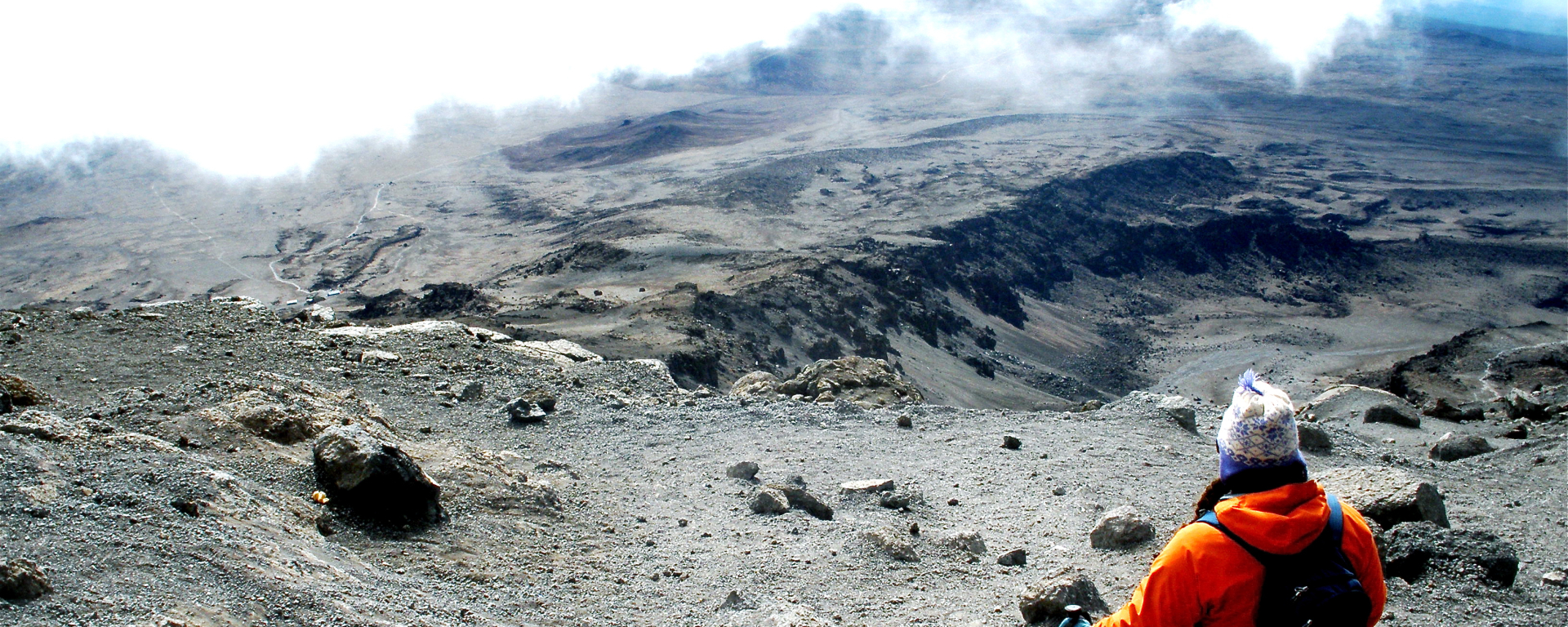
- Acute Mountain Sickness
- High-Altitude Pulmonary Edema [HAPE]
- High-Altitude Cerebral Edema [HACE]
Some tips to climb Kilimanjaro with asthma Includes:
- As you ascend to higher altitudes, give yourself enough time to acclimate.
- Sleep at a low altitude; the reduced altitude allows your body to recuperate and rest.
- Stay hydrated.
- Take it slow; climbing Kilimanjaro at a leisurely pace benefits all parties involved.
- Put on a bulky, thick jacket to stay comfortable at higher elevations.
- Select the longer path in order to fully acclimatize.
- Sustain your level of fitness; before taking on Kili, it’s advised to try a couple shorter treks.
- Remember to always have your medications with you, especially the inhaler.
- Purchasing sufficient hiking insurance that addresses asthma is advised.
- Have an attack card for your asthma and give it to your operators so they know what to do if you have an attack.
CONCLUSION: CAN YOU CLIMB KILIMANJARO WITH ASTHMA?
Even with asthma, you can succeed in reaching the top peak if you are determined to do so. Many people without hands or legs have also succeeded. All you have to do is adhere to a few tips that will help you on your Mount Kilimanjaro climb. In the event of an emergency, evacuation crews are stationed at the top and can ensure your safety.