
Is Tanzania Safe To Visit In 2023/2024? Is Tanzania a safe place to travel? “Is Tanzania safe? I want to go there.” This is a question that our customers who are looking for travel guidance to Tanzania frequently ask. The quick response? Yes! More than 1 million tourists visit Tanzania each year, making it one of the safest travel destinations in all of Africa. Safety is of the utmost importance when traveling with Focus East Africa Tour’s travel specialists. Your trip to Tanzania will be enhanced, and your complete peace of mind is guaranteed with our private safari excursions led by knowledgeable, experienced guides.
Tanzania is a relatively safe nation. In fact, both residents and visitors will find it to be one of the safest nations in Africa as of 2023–2024.
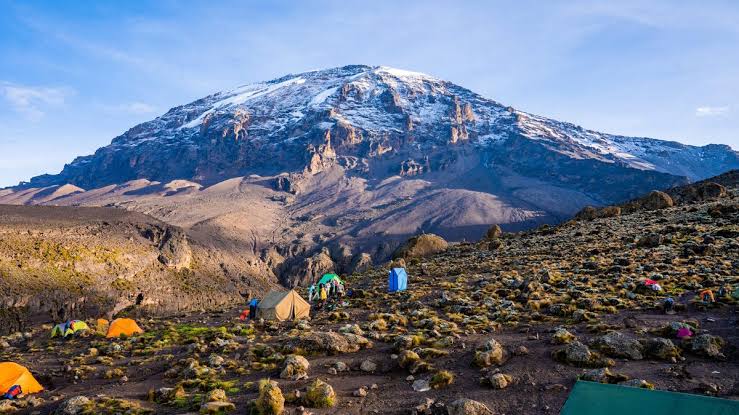
One of the most well-liked tourist destinations in Africa is Tanzania. Every year, almost two million people travel there. Most visitors come to Tanzania to experience its natural wonders, which include Mount Kilimanjaro, the highest mountain on the African continent, and its stunning beaches. Visitors who want to see the well-known African wildlife flock to the nation’s national parks, like Serengeti National Park. Additionally, Tanzania has a rich history and culture to discover, particularly on the island of Zanzibar, which has a unique culture.
However, Tanzania remains a country that many people in the West are unfamiliar with. Due to worries about your safety, you might be hesitant to travel to a country about which you don’t know much. Don’t stress; our travel specialists have already done the legwork. We’ll demonstrate the most prevalent safety issues, how to prevent them, and more. Allow us to be your guide.
IS TANZANIA SAFE TO VISIT?
Although visiting Tanzania is generally safe, you should still take a few extra safety precautions than you would at home. There is an increased risk of violent crime nationwide, from muggings to kidnappings. Additionally, there is an increase in violent incidents close to land borders and acts of terrorism. Having said that, many tourists to Tanzania have a secure, enjoyable time.
Tanzania is primarily a victim of geography, as tensions in neighboring states occasionally overflow into Tanzania’s borders. One significant issue is the expanding terrorist insurgency in Cabo Delgado, the northernmost province of Mozambique, which has spillover effects in the nearby Mtwara Region on the Tanzanian side of the border.
Around the western borders with Rwanda, Burundi, and the Democratic Republic of the Congo, unrest has recently grown. This is banditry, not civil unrest, which is a form of criminal unrest.
Unfortunately, violent crime is a problem everywhere in Tanzania. These crimes occasionally target foreigners, particularly because of the criminals’ perception—which is frequently accurate—that foreigners are likely to be wealthier than locals.
Common crimes in Tanzania include:
- Pickpocketing
- Theft
- Armed robbery, including vehicle robbery
- Break-ins
- Sexual assault
TERRORISM
The Mtwara region previously mentioned is where terrorism most frequently occurs, though it can happen anywhere in the nation. There have been incidents in well-known tourist locations like Zanzibar in the past, including ones that targeted foreigners’ favorite spots.
Being a victim of terrorism is unavoidable, as it is a crime that is, by its very nature, random. However, you can reduce your risks by remaining vigilant, keeping up with local news, and avoiding locations where authorities believe there is a high risk of terrorism.
You might be wondering why people still bother traveling to Tanzania given the list of crimes! But crime is always relative. The majority of tourists who travel to Tanzania have a great time while they are there, but foreign governments are required to warn their citizens if there is a chance that bad things might happen.
Tanzania may be more dangerous than your home country, but the Global Peace Index ranks it as one of the safest nations in sub-Saharan Africa. Many tourists worry about crime so much that they neglect to take other protective measures against potential threats in Tanzania, like the local wildlife.
Foreign visitors frequently end up in trouble for acting recklessly while on Tanzania safari and failing to remember that they are interacting with wild animals, not zoo animals or domestic pets. Stay in your safari vehicle at all times and pay close attention to the instructions of your local guide if you visit a national park in Tanzania.
One last warning: Depending on who you are, your experience in Tanzania may vary. Due to discriminatory laws in Tanzania, LGBT travelers are more likely than heterosexual travelers to feel unsafe.
Authorities do harass LGBTI people, though they tend to target locals, and the US government alerts citizens that they risk being harassed, detained, or even sexually assaulted by authorities if they force anal examinations to “prove” same-sex behavior.
Due to the superstitions surrounding the condition, people with albinism are also more likely to be victims of violent crime. In the end, your traveler profile and personal risk tolerance will determine how safe you feel while visiting Tanzania.
CRIME IN TANZANIA
The risk of crime is the main reason why most governments advise their citizens to exercise caution when traveling to Tanzania. Concerns about the country’s high crime rate are shared by many citizens. Cost of living surveys reveal that 57.62% of respondents think that crime rates are moderate. The majority of people believe that crime rates have risen recently.
Corruption and bribery are the most frequently reported issues, with a concern rate of 85%, followed by car break-ins at a rate of about 65%. However, fewer people are concerned about other types of crime, including burglaries, discrimination, and violent crime. That demonstrates that even though you should definitely exercise caution while abroad, you are not constantly in danger.
While the majority of respondents claimed to feel uneasy moving around at night, they felt comfortable doing so during the day. This demonstrates that you can stay away from most issues if you change your behavior.
There is comfort in Tanzania’s other crime statistics. For instance, a moderate rate of six homicides per 100,000 people is the homicide rate. Over the past few years, there has been a decline in both the homicide and violent crime rates.
THEFT
Theft is the most frequent issue encountered by visitors to Tanzania. Tanzania has a high rate of street crime, which includes both pickpocketing and more violent robberies like car break-ins and drive-by robberies. The opportunity to steal from a wealthy foreigner is usually too tempting for criminals to pass up. Many foreign governments issue theft warnings to their citizens.
Australia issues a theft risk alert to its citizens, particularly in the thriving economic hub of Dar es Salaam. Theft of bags is on the rise, particularly in vehicles. Thieves will drive past tourists riding scooters or motorcycles and steal their belongings.
Make sure to carry your bag on the side that faces away from the street in order to avoid becoming a victim of vehicular bag snatching. You should also be cautious if you notice any suspicious-looking vehicles following you.
Just let your bag go if someone does take it from a moving car. When victims are dragged behind the criminals’ vehicles during a vehicular bag snatching, injuries and even deaths can occur.
Tanzania is a country with a high prevalence of scams and fraud, particularly credit card fraud. The economy of the nation is still largely based on cash. Bring cash that you can exchange beforehand at a reputable exchange house or withdraw from bank-affiliated ATMs.
If you travel to remote, off-the-beaten-path areas, make sure you have enough cash on hand because there are no ATMs or credit cards accepted there. Use caution around standalone ATMs, as they could contain card skimmers or attract robbers.
ARMED ROBBERY
You would be safe if the only crime you had to worry about in Tanzania was the occasional theft, but regrettably, more violent crimes are becoming more prevalent. Armed robbery is the most frequent.
Armed robbery often turns into banditry in its most violent forms near the nation’s eastern borders with the Democratic Republic of the Congo, Burundi, and Rwanda.
Although the majority of armed robbers still use machetes and sticks, the UK government still issues warnings to its citizens about the threat of robberies at gunpoint (not much of a comfort when you are on the wrong end of either object). Additionally, the government warns people to be cautious of express kidnappings.
In these kidnappings, the victims are made to empty their bank accounts or make significant cash transfers before the robbers release them. You can take a few safety measures to lessen your chance of becoming a victim of an armed robbery.
The most crucial one is to only use respectable hotels and transportation. Never accept rides from friendly strangers or unlicensed taxis because those are the two methods that criminals most frequently use to entice victims into armed robberies.
Make sure your lodging has other security measures as well, such as security guards and safes. You want to feel safe, at least where you sleep, because break-ins and armed robberies are becoming more frequent in the area around tourist lodgings.
Make sure people are aware of your whereabouts if you are visiting a remote area, and look for a traveling companion. Although they do operate in well-traveled areas, armed robbers are more prevalent outside of those areas and are more likely to target those who appear to be easy targets.
AVOIDING BAD AREAS
Avoiding dangerous areas is a key strategy to use when staying safe in Tanzania. Checking your government’s travel advice is the first step. The majority of governments advise citizens to avoid the Mozambique border, particularly the Mtwara region, due to a higher risk of terrorism and violence.
The Canadian government has compiled a list of places like transportation hubs, Coco Beach, and street markets where crimes against foreigners frequently happen. You should exercise caution when walking and cycling near Touré Drive because it is a popular location for car bag snatching.
Popular tourist locations are a bit of a crime hotspot. In Zanzibar, the frequency of street crime and sexual harassment has been steadily increasing. You should still go, but when you’re walking around Stone Town, be sure to keep a firm hold on your possessions. The town of Arusha, which is frequently used as the starting point for expeditions to Mount Kilimanjaro, Ngorongoro crater and Serengeti National park, is also a popular destination for thieves.
TRAVEL INSURANCE IN TANZANIA
It would be wise to think about getting travel insurance if you were planning a trip to Tanzania. In the event of unforeseeable occurrences like trip cancellation or interruption, medical emergencies, or lost or stolen luggage, travel insurance can offer you financial protection.
Verify that the policy covers the pursuits you intend to engage in, such as safari tours or mountain climbing, before purchasing travel insurance for Tanzania. In order to make sure the policy meets your needs, you should also review the coverage limits and exclusions.
Overall, buying travel insurance can give you financial security and peace of mind while on your Tanzanian safari vacation. To ensure it meets your needs, just be sure to carefully review the policy terms and coverage limits.
TOP TIPS FOR STAYING SAFE IN TANZANIA
Here are some top tips for staying safe in Tanzania:
- Be aware of any potential risks or safety issues before you travel to Tanzania by doing some research on the place. Keep up with local events and the most recent travel warnings.
- Use reputable tour guides: When planning excursions and other activities, especially in foreign locales, take reputable tour guides into consideration. A good tour guide can give you safe navigation tips and useful local information and insights.
- Protect your valuables by keeping them hidden and safe, especially in crowded places. Carry your passport, cash, and other important papers in a money belt or secure bag.
- Don’t flaunt your wealth: Don’t flaunt your wealth by wearing pricey jewelry or using high-end electronics, as this could make you a target for theft or robbery.
- Scam alert: Beware of common scams like impersonating police officers, tour guides, or “helpful” strangers who offer to lead you to your destination. If something seems too good to be true, use common sense and proceed with caution.
- Keep a watchful eye out for any suspicious activity and be aware of your surroundings. Trust your instincts and leave the area if you feel threatened or uneasy.
- Dress professionally: Especially in conservative settings, dress modestly and with respect. Wearing provocative or offensive clothing should be avoided.
- Drive carefully and be aware of local traffic laws and customs if you intend to drive in Tanzania. Avoid operating a vehicle at night, especially outside of big cities.
THINGS TO CONSIDER
Here are a few other things to keep in mind when traveling in Tanzania:
- Tanzania frequently experiences civil unrest and protests, especially on the island of Zanzibar. Although they are generally peaceful, it is best to avoid protests and crowded areas just in case.
- Before traveling, make sure to speak with a doctor to arrange for the necessary vaccinations against prevalent illnesses like malaria. There are numerous other contagious illnesses, including cholera and HIV/AIDS.
- Avoid renting a car if you can because Tanzanian roads are in poor condition and drivers are frequently careless.
- Flooding frequently happens between the months of November and January and the months of March and May.
IS TANZANIA SAFE FOR TOURISTS IN 2023-2024?
Yes, tourists can travel to Tanzania in 2023-2024. Nothing major has changed, but you still need to take the bare minimum security precautions against theft and violent crime.
IS TANZANIA GOOD FOR TOURISTS?
Tanzania is ideal for tourists because it has a lot of stunning places to visit and friendly locals who want to make sure they have a good time. However, be wary of people or circumstances that seem too friendly or dangerous.
IS TANZANIA A FRIENDLY COUNTRY?
Tanzania is known for being a friendly nation. Many locals are eager to extend their hospitality to visitors from abroad. Be wary of those who ask you to stay in their homes, take a ride, or seem overly friendly. These are frequently con artists or other bad guys who prey on ignorant tourists.
HOW SAFE ARE TOURISTS IN ZANZIBAR?
One of Tanzania’s most popular tourist destinations is the island of Zanzibar, but there have been cases of theft, assault, and sexual harassment there as well. By taking safety precautions like keeping an eye on your belongings and avoiding the beaches after dark, you can join the many tourists who enjoy their time in Zanzibar.
WHAT IS THE BIGGEST PROBLEM IN TANZANIA?
Although street crime is the primary topic of discussion when discussing crime in travel articles about Tanzania, most locals consider official crime, such as corruption, to be the biggest issue. This can happen to foreign visitors if customs agents or police officers demand bribes in exchange for pursuing cases.
CONCLUSION: IS TANZANIA SAFE?
Tanzania is generally a secure place to visit. Even though there are some safety concerns, especially in urban areas, you can reduce the likelihood of becoming a victim of crime by following some common-sense safety precautions. Tanzania is well known for its friendly residents and warm hospitality, and guests are frequently greeted with open arms.
In addition, the nation is home to some of the most breathtaking natural wonders on earth, such as Mount Kilimanjaro, the Serengeti National Park, and the Ngorongoro Crater. We have a good feeling that your trip to Tanzania will be enjoyable and memorable. And we are definitely excited to welcome you!