
Top 10 Birding Destinations In Uganda : Where is the best place to go for bird watching in Uganda? Despite being well known as the best safari destination for wildlife safaris in Queen Elizabeth National Park, Murchison Falls National Park, Kidepo Valley National Park, and Lake Mburo National Park, to name a few, and mountain gorilla trekking tours in Bwindi Impenetrable National Park and Mgahinga National Park, Uganda is also the best safari destination for birdwatching safaris that can be seen and explored in different diversity habitats in the country. A number of the birds on the extensive list of more than 1,080 documented bird species can be seen during Uganda birding excursions.
Uganda has a relatively small area—233,205.1 square kilometers—but it is a well-known refuge for birdwatchers. In Africa, Uganda boasts one of the highest densities of bird species per square kilometer. Half of Africa’s bird species and 11% of the world’s are found in Uganda. Consequently, it is one of the best places in Africa for birding expeditions. Due to its equatorial location, it has a variety of ecological zones. As a result, throughout the year, a variety of bird species can be found in biodiverse environments. These include wetland, savanna, mountains, rain forests, and water bodies. In Uganda, wetlands, woodlands, and national parks are popular places to go birding, Top 10 Birding Destinations In Uganda
Where can I go for bird watching in Uganda? Uganda bird viewing excursions provide birding enthusiasts with amazing experiences. The greatest birding locations in Uganda are listed below for you to visit if you want to take the best bird viewing safari tour.
Bwindi Impenetrable Forest National Park
This is one of Uganda’s most popular national parks and is home to the critically endangered mountain gorillas. The park is a fantastic bird sanctuary due to the variety of dense woodlands it has. The park won a prize in 2011 for being the best birding location in Africa. More than 360 different bird species may be found in Bwindi, many of which are unique to the Albertine Rift valley. Of them, 24 are native to the Albertine Rift, and roughly 10 are species that are threatened internationally. There are 76 species in the Guinea-Congo biome, compared to five that are endangered. The tropical highland biome is home to 68 species. Four species from the Lake Victoria biome are also present in the park.
The Dusky Twinspot, Black-headed Heron, Black-billed Turaco, Regal Sunbird, Kivu Ground Thrush, Rwenzori Nightjar, African Green Broadbill (Grauer’s Broadbill), Doherty’s Bushrike, Black Bee-eater, Rwenzori Batis, and Handsome Francolin are some of the notable birds in Bwindi. Other noteworthy species are the African Wood-owl, Chestnut-throated Apalis, Grey Cuckoo-shrike, Dwarf Honeyguide, Western Green Tinkerbird, Red-throated Alethe, Mountain Yellow Warbler, and Grauer’s Warbler, among many others.
Kibale Forest National Park
This park is the well-known primate capital of the globe and is situated in western Uganda. Kibale, which has 13 different primate species, is a well-liked birding location in Uganda. Over 375 different bird species can be found in the Important Birding Area (IBA). And among them, 60% are birds of the forest. This makes it a top location for birders to go birdwatching. The green-breasted pitta, which is unique to Kibale Forest, is the most desired bird in this park.
Additionally, there are Nahan’s Francolin, Blue-headed Bee-eaters, Masked Apalis, and Cassin’s Spinetta. African Pied Wagtail, Great Blue Turaco, Slender-billed Weaver, African Pitta, Tropical Boubou, Abyssinian Groundthrush, Crowned Eagle, Afep Pigeon, Black Bee-eater, Blue-breasted Kingfisher, etc. are just a few of the other species that may be found in the park.
The Bigodi Wetland Sanctuary is a part of Kibale National Park and home to more than 138 different species. Consequently, there are more bird species for birders who want to explore Kibale. Papyrus gonoleks and purple-breasted sunbirds are two of the bird species found in Bigodi. Numerous cuckoos, weaver birds, flycatchers, kingfishers, woodpeckers, and hornbills can also be found in the swamp.
Semuliki National Park
The Albertine Rift Valley, in western Uganda, is where the Semuliki National Park is located. In the park, 441 or more bird species have been identified. It has environments including grasslands, rainforests, and rivers where Guinea-Congo biome species can be found. These can be seen on the park’s lower slopes.
Yellow-throated Nicator, Piping Hornbill, Congo Serpent Eagle, Long-tailed Hawk, Red-chested Sunbird, Ituri Batis, and Yellow-throated Cuckoo are among the bird species found in Semuliki National Park. In addition, there are other species such as the Orange Weaver, Maxwell’s Black Weaver, Blue-billed Malimbe, Dwarf Honeyguide, Swamp Palm Bulbul, African Piculet, White-crested Hornbill, Capuchin Babbler, and Nkulengu Rail.
Murchison Falls National Park
The park, which bears the name of the famous Murchison Falls, is the biggest national park in Uganda. It can be found in northwest Uganda. Additionally, it offers the greatest variety of species, including four of the Big 5. More than 450 different bird species have been identified in the park, which is home to a variety of fauna as well. The park has different ecosystems such as forests, wetlands, savannah grassland, and a rainforest.
The renowned Shoebill, Abyssinian Ground Hornbill, Red-throated Bee-eater, Northern Red Bishop, African Jacana, Black-billed Barbet, Goliath Heron, Denham’s Bustard, Pied Kingfisher, and many other bird species may be found in Murchison Falls. Senegal thick-knee, Piapiac, Palm-nut Vulture, Silverbird, and Black-headed Gonolek are just a few of the more than 200 species found in the park, Top 10 Birding Destinations In Uganda.
Queen Elizabeth National Park
The sole location where Uganda’s tree-climbing lions can be found, as well as the country’s second-largest national park. The largest number of bird species ever recorded in Uganda may be found in Queen Elizabeth National Park, which is home to about 612 different kinds of birds. It is one of the best birding locations in Uganda due to the variety of its natural habitats. The habitats for birds include grasslands, lakes, wetlands, acacia woodlands, and humid rainforests. Along with these, the park is home to endemic and almost endemic species that are endangered worldwide. On a wildlife drive or safari walk, as well as during a boat tour along the Kazinga channel, birdwatchers can see these species.
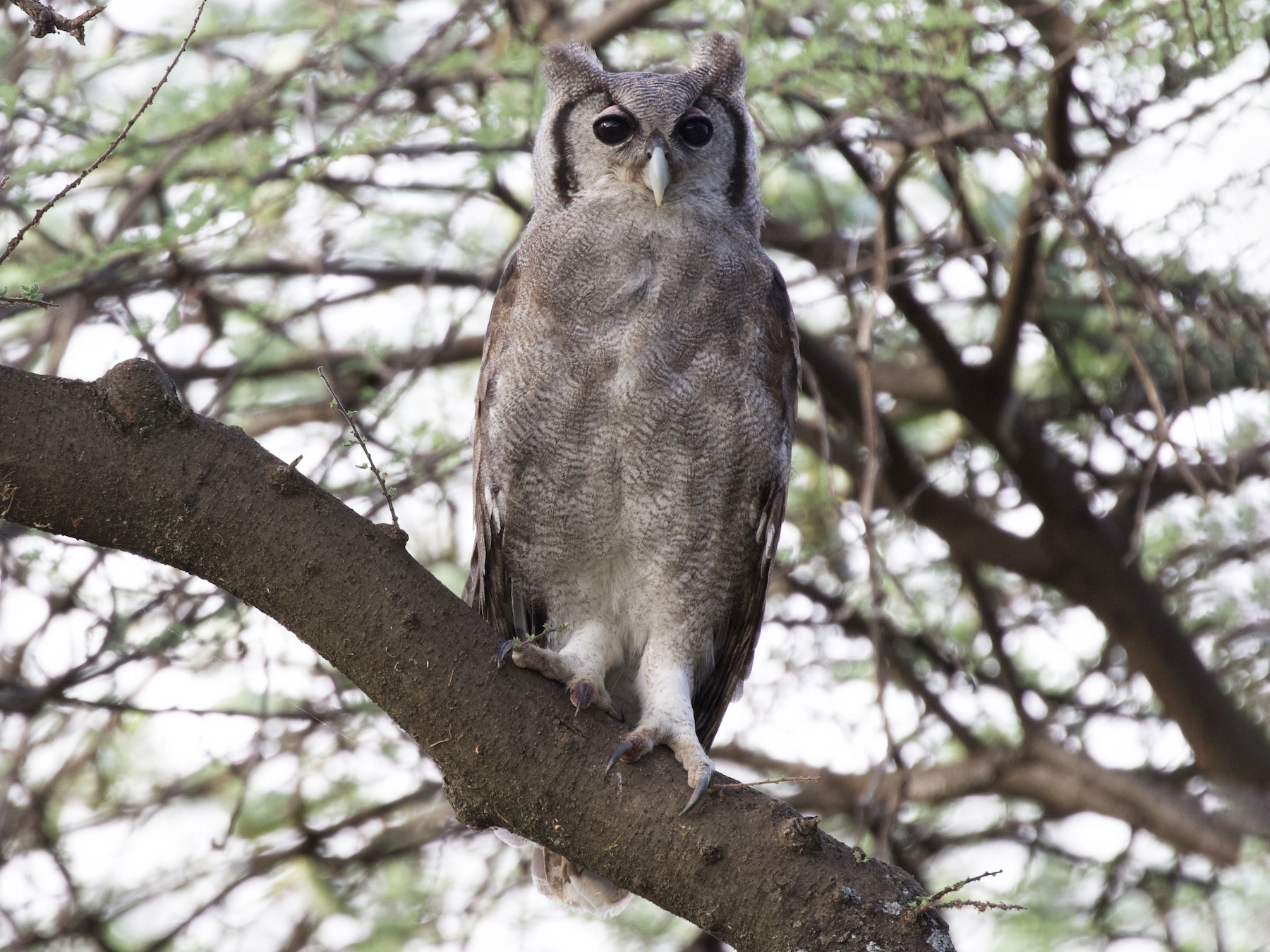
African Skimmer, Grey-headed Kingfisher, Verreaux’s Eagle-owl, Swamp Flycatcher, African Fish Eagle, Long-tailed Cormorants, Martial Eagle, Papyrus Canary, Papyrus Gonolek, Gabon, and Slender-tailed Nightjars are just a few of the bird species found in Queen Elizabeth National Park. Other species that can be found in the park includes the Shoebill, White-winged Warbler, Thin-tailed Nightjar, Black Bee-eater, White-winged Tern, Grey-ramped Buttonquail, Squacco Heron, Malachite Kingfisher, and Collared Pratincole.
The Mweya Peninsula and Kazinga Channel are two prime locations for bird watching in the park. There is also the Ishasha southern sector, where lions that can scale trees thrive. The Kasenyi plains, the Katwe region, the Maramagambo Forest, etc. are other locations.
Lake Mburo National Park
The western region of Uganda is home to the smallest savannah lake Mburo National park. The park contains a variety of animal and bird life despite its small size. More than 350 different bird species, both migratory and native, may be seen around Lake Mburo. The park offers a number of places for birders to see a variety of species. These include water birds, savannah birds, and forest birds.
Red-faced Barbet (which is unique to Lake Mburo), Papyrus Gonolek, Grey-crowned Crane, Brown Parrot, African Fish Eagle, Yellow-breasted Apalis, African Finfoot, Black-bellied Bustard, Long-tailed Cisticola, and Saddle-backed Hawk The billed stork, white-winged warbler, green wood hoopoe, emerald-spotted wood dove, and brown-chested lapwing are notable bird species in Lake Mburo. The Ross’s Turaco, Red-headed Lovebird, Common Scimitar Bill, Nubian Woodpecker, Rufous-bellied Heron, White-headed Barbet, Bare-faced Go-Away Bird, and Brown-chested Wattled Plover are just a few of the additional species found at Lake Mburo.
Kidepo Valley National Park
One of Africa’s best national parks is Kidepo Valley National Park. It includes palm trees, montane vegetation, open savannah grassland, and woodland. Over 475 different bird species can be found in Kidepo, 100 of which are native to northern Kenya and Uganda. According to records, this area contains the second-highest concentration of bird species.
The rarest species, which are unique to Uganda, are also found in the park. Clapperton’s Francolin, Karamoja Apalis, and Rose-ringed Parakeets are a few examples. Ostriches, little bee-eaters, red and yellow barbets, dark chanting goshawks, and Kori bustards are a few examples of common species that can be seen here. Black-breasted Barbet, Pygmy Falcon, Abyssinian Roller, Chestnut Weaver, Scarlet-chested Sunbird, Fox Kestrel, Golden Pitit, Jackson’s Hornbill, Rufous Chatterer, Purple Grenadier, and Fox Kestrel are a few additional species. The finest place to enjoy bird watching in Kidepo is Apoka Camp. The location provides amazing opportunities for birding. The edges of the Narus and Namamukweny valleys are among the other locations, Top 10 Birding Destinations In Uganda.
Budongo Forest Reserve
The greatest natural rainforest in East Africa is protected by Budongo Forest. It is situated on the Albertine Rift Valley’s edge, south of Murchison Falls National Park. Along with other monkey species, Budongo is home to more than 700 chimpanzees. Thus, it is one of Uganda’s well-known chimpanzee trekking locations. Additionally, the Budongo forest is a sanctuary for birdwatchers, home to more than 360 different species. 60 of these species are birds native to West or Central Africa. Two of the forest’s species are unique to Budongo. The Yellow-footed Flycatcher and Puvel’s Illadopsis are those species. A number of Guinea-Congo biome species can be found in Budongo Forest.
Cassin’s Spinetail, Nahan’s Francolin, Blue-breasted Kingfisher, and Ituri Batis are among the bird species found in Budongo. The forest is also home to species such as the Crowned Eagle, African Dwarf Kingfisher, Black-eared Groundthrush, and Cassin’s Hawk Eagle. Other species include the Lemon-bellied Crombec, Little Green Sunbird, Olive-breasted Greenbul, and Grey-headed Sunbird.
Mabamba Bay Wetland
One of the best places in Uganda to go birding is Mabamba Bay Wetland. Additionally, it is closest to Entebbe or Kampala. The rare shoebill calls the Ramsar site home, which is well known for this. Most birding enthusiasts consider this to be the most desirable bird in Uganda. Mabamba is located northwest of Entebbe on the northern bank of Lake Victoria. It has dense papyrus, marsh grassland, and water lilies covering about 16,500 hectares. More than 260 different bird species can be found in the Important Birding Area (IBA). These include local, endemic, and endangered species worldwide. In Mabamba, the shoebill, papyrus gonolek, and blue swallow are important protected species.
Red-bellied Paradise Flycatcher, Rufous-napped Lark, Grassland Pipit, Lesser Jacana, Sooty Chat, African Purple Swamphen, Squacco Heron, White-faced Whistling Duck, African Pygmy Goose, and African Jacana are some of the other species found in Mabamba. The Blue-breasted Bee-eater, Winding Cisticola, Goliath Heron, Common Moorhen, White-winged Warbler, Spur-winged Lapwing, and Malachite Kingfisher were some of the more prominent species. From October to March, a variety of migrating Palearctic species are also present.
Matheniko Wildlife Reserve
In the Karamoja region of northern Uganda, there is a wildlife reserve called Matheniko. Kidepo Valley, Bokora, and Pian-Upe game reserves are all included in the reserve. Matheniko includes bushes, thorny thickets, and semi-arid grasslands. The reserve was created as a hunting area and is widely renowned for housing predators. However, Matheniko is home to hundreds of fascinating bird species. Ostriches, Pygmy Falcons, Lemon Doves, Egyptian Vultures, Bronze-napped Pigeons, Grey-Cuckoo Shrikes, Abyssinian Ground Hornbills, and Cattle Egrets are among them, Top 10 Birding Destinations In Uganda
THE BEST TIME FOR BIRDING IN UGANDA
The best time to go birding in Uganda is during the dry season, depending on the season. This occurs from May to September, when there is less rain and a surplus of food for the birds in the wild. The best time to go birding in Uganda is from November to April if you’re seeking migrant birds.