
How can I visit Uganda on a tight budget?, how can I travel to Uganda on a budget?: An East African safari has been considered the most expensive safari due to its well-known and unique attractions such as Tanzania’s Mount Kilimanjaro, the Serengeti National Park, and the Ngorongoro Crater; Kenya’s Maasai Mara National Reserve; Rwanda’s Virunga Mountain Range; and Uganda’s Queen Elizabeth National Park and Bwindi Impenetrable National Park, to name a few. However, it’s a different story in Uganda. Despite being renowned for delivering stand-out safari experiences and some of the most extraordinary—and extravagant—forest adventures on Earth, a Uganda safari tour isn’t much more expensive compared to Tanzania and Kenya safaris, as it can be visited and explored on budgets ranging from low budgets to mid-range budgets to luxury budgets. All you have to do is plan wisely and carefully.
Less widely known is the cost-effective aspect of visiting the Pearl of Africa, which is highly recognized for its hospitable residents, breathtaking scenery, unforgettable wildlife encounters, and long history of political stability and security. The unique legacy of the still primitive, still wild, and still free nature that Uganda encloses on a large scale is still accessible to independent travelers on a budget in Uganda, How to visit Uganda on a tight budget?
Uganda’s grandeur is surely overshadowed by its popular neighbors, Kenya and Tanzania. Although Uganda can’t compete with them in terms of size, number of wild packs, or leisure vacationers, the country nonetheless manages to cram a lot into its small space. Uganda is a fantastic destination for private safari trips due to its small size, abundance of natural beauty and wildlife, and minimal to no tourist congestion.
The best of what an African safari vacation has to offer is condensed into this one tiny location. The Rwenzori Mountains, the highest mountain range on the continent; the world’s longest river, the Nile and the second-largest freshwater lake on the planet (Lake Victoria) are all located in Uganda. Up the mountain, the lowly mountain gorillas prowl the misty jungles, and the tropical rainforests are home to one of the world’s greatest populations of primates. The cultural center and capital of Uganda, Kampala, is safer than most tourist spots in the area.
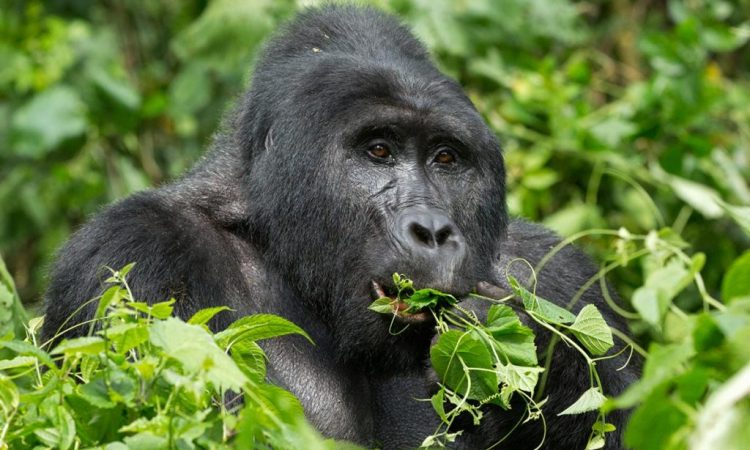
In addition to all of this exaltation, Uganda has acquired the moniker “Adrenaline Capital” for its expanding selection of safari activities. Unforgettable safari experiences can be had in Uganda, which is a very popular safari location. But how can someone who is interested visit Uganda on a tight budget? We’ll explain and demonstrate how to visit Uganda and take safari excursions on a shoestring budget in this post. I have a limited budget; how can I visit Uganda? If you’re on a tight budget but still want to experience an once-in-a-lifetime Uganda safari excursion, follow these steps:
HOW TO SAVE MONEY ON TRANSPORTATION
In Uganda, there are numerous public and private transportation choices available that can fit a range of budgets. The cheapest and most convenient ways to go to popular locations are public buses and motorcycles, while looking for discounts on private transportation will increase your flexibility and convenience, How to visit Uganda on a tight budget?
Public motorbikes, or “boda- boda,” are quite affordable in places like Jinja and Kampala but are more difficult to find in rural areas and near national parks. Exercise caution when using boda- boda because they have a reputation for being quite dangerous: helmets aren’t provided, and drivers are known for being careless. Despite being the most affordable mode of transportation, they cost between 7,000 and 8,000 Ugandan shillings (UGX), or $2 USD, though prices are always negotiable.
With minimum charges starting at 5,000 UGX ($1.35), Safe Boda and Uber, which pair passengers with drivers through their individual apps, have just expanded to Kampala and offer far more dependable drivers and consistent pricing.
Matatus (local buses): Although they are not always convenient, local minibuses, also referred to as matatus, are a cheap way to get around Kampala. Additionally, matatus travel between various areas of Uganda, frequently without a predetermined schedule, and depart when the bus is full. Prices vary per route but are often in the neighborhood of 1,000 UGX ($0.25 USD). You may simply wave down one of these dilapidated white vans from the side of the road to catch one, but beware—they are typically crowded and overstuffed.
Taxis: Taxis are the most expensive, but also the safest, means of transportation in cities. Prices are usually negotiable, but on average, depending on the distance and time of day, expect to pay between 10,000 and 40,000 UGX ($2.75 and 11 USD) for a journey.
Coach buses: Coach Buses are used to travel great distances within Uganda as well as to other East African locations like Mombasa and Kigali. Coach buses are operated by a number of different firms. The cost varies by route but is typically around 50,000 UGX ($13.50 USD) for a ten-hour trip.
Private Car: The best method to independently tour Uganda and venture farther into some of the parks where public transportation does not operate is by renting a car. Renting a car with or without a driver and with or without camping gear is an option.
Although not required, a driver can be useful for more than just avoiding potholes on the road. They can also offer a variety of historical and cultural knowledge and help you discover wildlife when on a safari.
HOW TO SAVE MONEY ON ACCOMMODATION
The main tourist destinations and national parks in Uganda provide camping as well as inexpensive hostels and guesthouses for those on a tighter budget.
Guesthouses: The cost of guesthouses can vary greatly. A decent-quality hotel with reasonably dependable amenities costs about $25 USD per night for a double private room in tourist locations like Om Bunyonyi, although you may expect to pay much more in national parks. You can easily locate extremely basic guesthouses for much less, about $10 USD/night, if you don’t make reservations in advance and are passing through a small town for the night. However, this type of lodging frequently has erratic access to water and electricity.
Camping: Although costs can vary depending on where you go, camping is a terrific alternative in the areas surrounding national parks like Queen Elizabeth and Murchison Falls. Camping is available at Red Chilli’s location at Murchison Falls for $8 USD per night. For $5 to $10 USD a night, you can camp at other sites and inns. Many locations rent out tents, but you may save even more money by bringing your own supplies.
Eco-lodges: Given the fanciful eco-friendly safari lodge craze in East Africa, you probably don’t think of eco-lodges when you think of being cost-conscious. However, lodges and safari camps are a popular type of lodging in national parks, and they’re not all prohibitively expensive. There are several that are fairly priced yet nevertheless allow for a wonderful indulgence on a tight budget vacation. They can run about $100 USD each night and typically come with three meals a day as well, saving you money on other daily expenses.
HOW TO SAVE MONEY ON FOOD AND DRINKS
You can spend far less money by eating at neighborhood restaurants and shopping for fresh foods and snacks at local markets rather than dining at Western-style restaurants, which are mostly found in Kampala.
Restaurants: The international restaurant industry in Kampala is thriving. They are expensive when compared to nearby restaurants, but they are also less expensive than eating out in Europe or North America or at establishments of a similar caliber in other significant East African towns. A typical supper costs between 30,000 and 50,000 UGX ($8–$15 USD). Contrarily, local cuisine is significantly more reasonably priced and generally consists of potatoes, rice, beans, cabbage, Chapati (an unleavened flatbread), and ugali (a porridge made from maize flour). Additionally, there are many Ethiopian eateries that serve more affordable fare.
Food-on-the-go: The most popular street meal in Uganda is an egg and Chapati wrap called a “Rolex,” which can potentially include other vegetables and costs only 1,500–3,000 UGX ($0.4–$0.80 USD). Stock up on fresh tropical fruit, which is widely available in stores and on the highway and is usually negotiable in price. On lengthy journeys, inexpensive roadside food and snack stands serving grilled meat, samosas, almonds, and maize are also common. These methods of eating can significantly reduce expenses in Uganda.
Drinks: Although cocktails and wine are pricey in Kampala’s upscale pubs, restaurants, and clubs, it is possible to find foreign-imported wine and spirits there. Your best bet is to stick to regional beers like Nile, which, depending on where you get it, should cost between 3,000 and 5,000 UGX ($0.80 and $1.35 USD). Or test out Waragi, a locally produced gin in Uganda that costs about 1,000 UGX ($0.25 USD) per pour. When combined with enough tonic water and lime, this strong booze becomes more bearable, How to visit Uganda on a tight budget?
ADVENTURE ACTIVITIES COSTS
Despite all the above tips for saving money, how many wildlife and adventure activities you wish to engage in will have a significant impact on your budget? Most likely, you’ll want to partake in a few of the more expensive activities, like whitewater rafting down the Nile, looking for lions that climb trees in Queen Elizabeth National Park, or mountain gorilla trekking in Bwindi National Forest. However, it is simple to alternate those activities with free days spent volunteering, doing self-guided excursions in the hilly regions of southwest Uganda, or simply unwinding by crater lakes. You might spend as little as $30 USD every day during such times.
SEASONALITY
High Season vs. Low Season: It’s crucial to consider the travel season when making safari plans in Uganda. Demand for tourism services drives up rates during peak seasons, making it challenging for travelers on a tight budget. Budget visitors can visit and appreciate Uganda’s many tourist spots by traveling during the low seasons. There is typically less traffic in the tourist locations in March, April, May, and November because fewer people are traveling during those months.
Budget travelers can take advantage of these deals to make the most of their experiences because many accommodations offer reductions during the off-season. Booking into cheap lodgings, camping, farm stays, and home stays are some ways to travel in Uganda on a tight budget. Travelers can enjoy a Uganda tour while saving money for their safari trip. Utilizing early bird specials for activities, lodging, and/or flights helps you save money on a safari trip. Budget travelers can take advantage of specials and savings when they book early for the available flights and lodging.
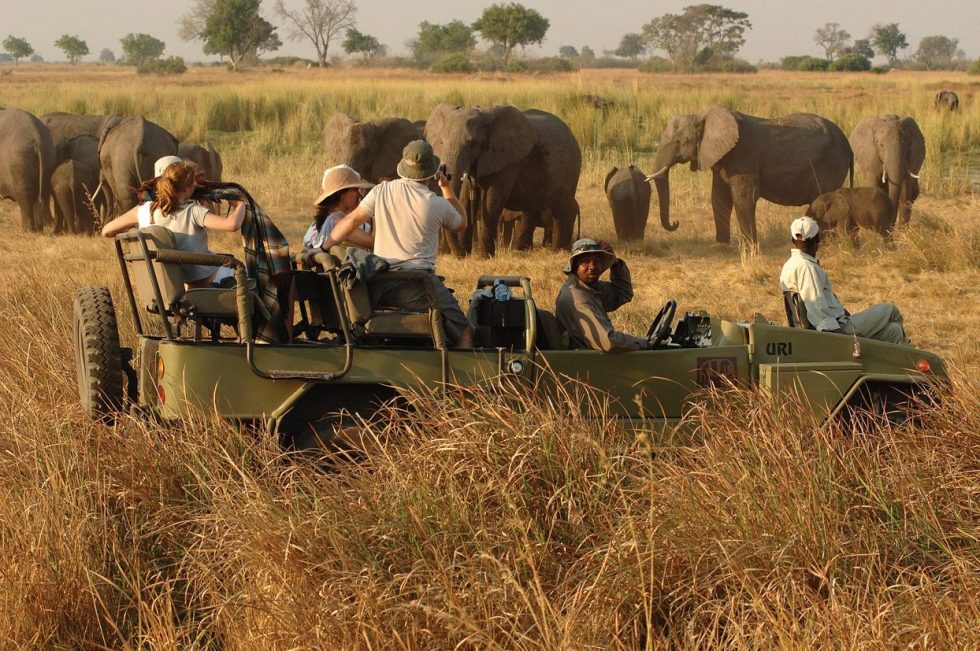
OTHER TIPS FOR SAVING MONEY IN YOUR UGANDA SAFARI TOUR
Beside the above, here are some other general tips for cutting your costs on your Uganda safari visit:
ü Explore areas outside the expensive attractions: Areas outside of the main attractions are nevertheless rich in nature and are frequently more interesting because there are few to no people. Think of coffee and tea plantations, deep forests, little-explored waterfalls, almost-deserted islands, and volcanic lakes.
ü Don’t let the wet season deter you from traveling in the off-season! The rainy seasons in Uganda (March to May and October to November) are when the country is at its most verdant, there are fewer tourists, and permits and hotels are frequently cheap to draw more visitors.
ü Take a detour; for instance, visit Sipi Falls, Lake Bunyonyi, and the Ssese Islands in Lake Victoria. If you’re planning to go trekking in the area, the Rwenzori Mountains are something to think about. While they aren’t “cheap,” they are far less expensive than climbing Mount Kilimanjaro, and you can choose between shorter and longer treks depending on your schedule and budget.
ü Make booking early: Reserve your gorilla and trekking permits early to guarantee a spot because space is limited. However, avoid booking safari packages because the charges are substantially higher than if you were to travel individually.
ü Stay longer. Although it may seem paradoxical at first, a longer stay means you won’t likely be focusing solely on the main tourist sites. Additionally, you’ll gain a greater understanding of how to use the local transit system and some of the regional customs and lesser-known rural locations.
ü Bring a reusable water bottle and a filter to guarantee that your water is pure and safe, as well as to save money on single-use plastic.
HOW TO TRAVEL ON A BUDGET IN UGANDA, IN NUTSHELL
How to Travel on a Budget in Uganda, in Nutshell: If you want to cut costs on accommodation during your vacation in Uganda, just as in many other safari locations, pick hostels and campgrounds outside of the national parks, How to visit Uganda on a tight budget?
Public transportation, like buses and minibus taxis, is the most cost-effective mode of transportation, yet it can be challenging to get to the more isolated national parks via public transportation.
You might not want to spend $600 on a gorilla tracking permit if your trip to Uganda is on a tight budget. Chimpanzee trekking is significantly less expensive; however, keep in mind that the cost of permits varies greatly depending on which reserve you visit. It can costs around US$40 in Kalinzu Forest but US$150 in Kibale Forest. The nation’s parks and reserves provide a wide range of additional budget-friendly activities, such as guided birding hikes for $30 or fishing in Lake Mburo National Park for $15.
Your best chance for affordable meals is a local eatery; a plate of pork stew with sides will run you about $2. If you’re camping or staying in self-catering accommodations, you can prepare meals for yourself by purchasing items at markets and supermarkets. Travelers can take advantage of lower lodging costs and possibly lower gorilla tracking permits if they go during the off-peak months of April, May, October, and November.
“Focus East Africa Tours is here to assist you from the very beginning of arranging your safari tour all the way through to the finish of your safari if you would like to learn more about how to visit Uganda on a limited budget and have an outstanding and pleasurable safari tour. Get in touch with us right away if you’re interested in a low-cost safari in East Africa. Whether you want to see the great wildebeest migration in Tanzania and Kenya, go gorilla trekking in Uganda, or go on a safari to Rwanda and the D.R.C., we plan and organize safari tours throughout the region”