
Facts About Nyerere National Park : Nyerere National Park, formerly recognized as Selous Game Reserve is also known as the “Wild Heart of Africa”. The vast Selous Game Reserve, which is designated for photographic safaris, contains Nyerere National Park, which was given national park status in November 2019. A park has been named in honor of Julius Nyerere, the late first president of Tanzania, who championed wildlife protection and conservation in his nation. The Rufiji River valley in southeast Tanzania is home to Nyerere National Park, one of the most stunning and wildlife-rich regions of the Selous Game Reserve environment.
Nyerere National Park is the largest national park in Africa, covering an area of around 30,893 square kilometers. With a range of wildlife habitats, including open grasslands, Miombo woodlands, marshes, and riverine forests in the many tributaries of the powerful Rufiji River that flows through the National Park to the Indian Ocean, it is arguably one of the most pristine wildernesses currently existing in Africa. Tanzania’s Nyerere National Park is situated in the southeast and is bordered to the northwest by Mikumi National Park and to the west by Udzungwa Mountains National Park.
Amazing wildlife can be found there, including some of Africa’s most numerous mammals and reptiles, such as buffalo, elephants, hippos, and crocodiles. The African wild dog is thought to have only one last bastion, which is Nyerere National Park and the remaining portion of Selous Game Reserve. Wildebeest, zebra, giraffe, eland, greater kudu, sable antelopes, black rhino, waterbuck, impala, lion, leopard, spotted hyena, cheetah, baboon, vervet and blue monkeys, and the black and white colobus monkey can all be seen in riverine woods. In the national park, 440 different species of birds, both migratory and resident, have been spotted.
WHY IS IT SPECIAL?
The unique wilderness safari setting includes forests and woodlands surrounding lagoons, sandbanks, and lakes, as well as a wide and growing wildlife population. The earliest protected area in Tanzania is Selous, which was created in 1896 and is currently Nyerere National Park. The reserve is named after Captain Fredrick Courtney Selous, a British explorer, hunter, and conservationist who perished in Beho-Beho during the First World War.
The bulk of park visitors pay respects at the Selous burial in Beho-Beho. The reserve is the largest populated game reserve on the continent and is located in the southern region of Tanzania. It has a total area of roughly 50,000 km2. Selous Game Reserve was named a World Heritage Site by UNESCO in 1982 due to its natural richness and pristine condition, and it still upholds this prestigious designation today. More than 350 different bird and reptile species, 2000 different plant species, and a broad variety of fauna may be found in Nyerere National Park.
WILDLIFE
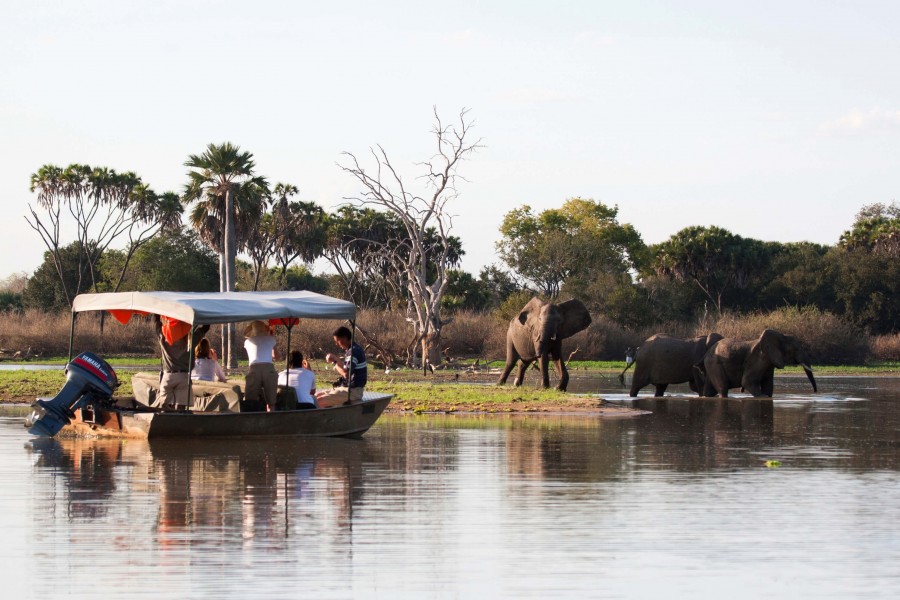
In the Selous game reserve, there are more elephants than anywhere else on the continent. The “Ivory Wars” of the late 1970s and early 1980s are known to have caused the decline in numbers, which is thought to have been between 30,000 and 50,000. These wars also had a catastrophic impact on the herds, which in turn caused a decline in their size. In addition to having the largest populations of buffalo in Africa, the Nyerere-Selous ecosystem is well known for housing a variety of wildlife, including elephants, lions, leopards, hippopotamuses, wildebeest, buffalo, sable antelope, eland, greater kudu, waterbuck, hartebeest, zebras, giraffes, reedbuck, warthogs, and hunting dogs, Facts About Nyerere National Park.
LIFE AROUND THE RIVER RUFIJI
The Selous Game Reserve has such a diversified topography thanks to the hot volcanic springs, sporadic lakes, and channels from the neighboring rivers, like the Great Ruaha and Rufiji rivers, that are also part of the Nyerere National Park. Large herds of Tanzanian elephants, for instance, are drawn to the reserve by the River Rufiji. The Selous-Nyerere ecosystem is a well-known and excellent location for big game hunting in Africa, if not the entire world. It is divided into 47 blocks, 42 of which are designated for trophy hunting, and 5 of which are in the North Sector Matambwe and are designated for photographic tourism instead of trophy hunting. A network of channels and lagoons that originate from the Rufiji River can be found in the northern part.
Tourist activities/ Things to do in the nyerere national park
The nyerere national park is the most scenic wildlife destination and is utterly beautiful. The beauty of the reserve is ingrained in the quality of experience offered from:
- Trophy and sport hunting
- Boating safari
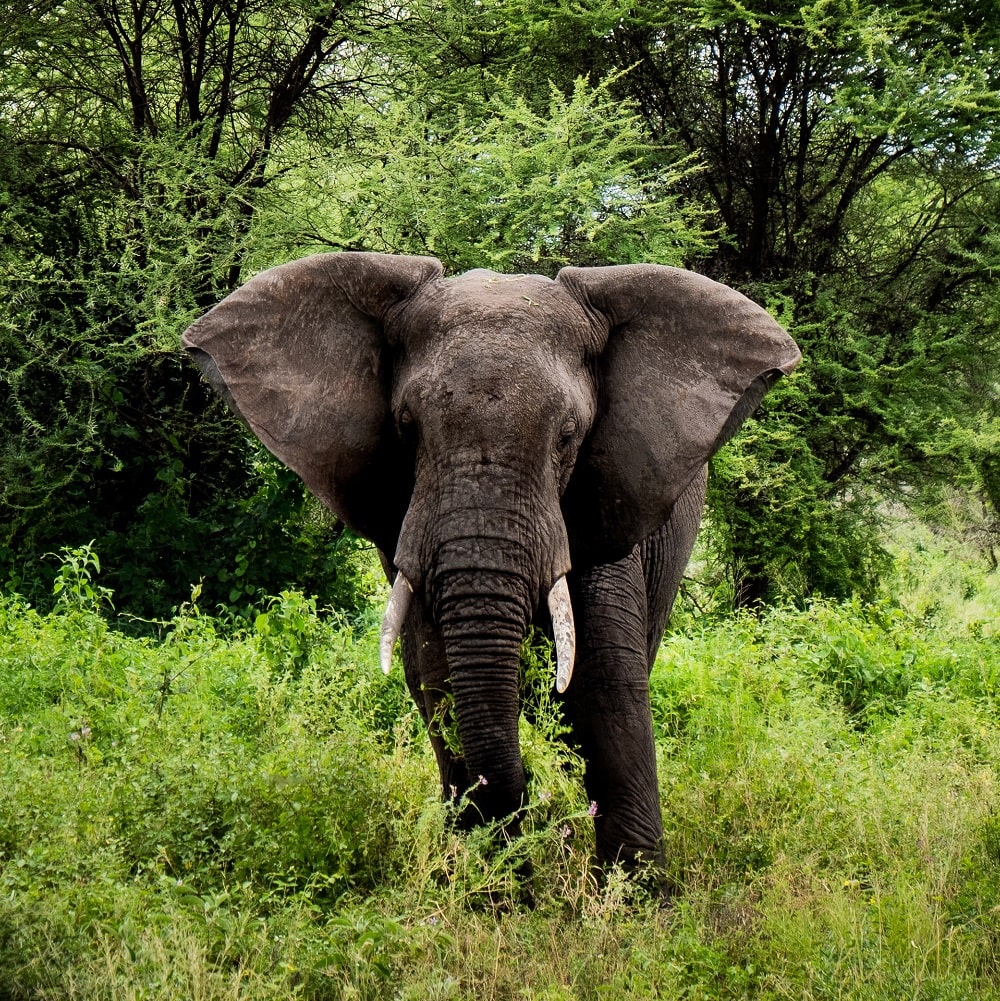
- Game Drive
Facts About Nyerere National Park - Fishing
- Canoeing
- Game watching
- Commercial photography, filming, and cinematography
PERFECT TIME TO VISIT
The dry season, which lasts from June to March, is unquestionably the ideal time to visit Nyerere National Park. Because so many huge mammals congregate around the five lakes during this time, game drives are actually quite rewarding. Selous welcomes 30,000 tourists on average each year. It provides a unique experience for tourists because it is so far away. There are “arguably” no places on earth other than nyerere national park where elephants, buffalo, and lions may be seen in higher numbers all year long.
“Looking for a custom travel plan for your family vacation, solar trip, or honeymoon? Nyerere national park is the best place to go and we are here to help you plan and organize your safari tour and have unforgettable Tanzania safari experience”.