
5 Reasons to Choose the Wet Season for your Tanzania Safari : Tanzania is blessed with fantastic wildlife, which makes it ideal for wildlife safaris in the Serengeti National Park and the Ngorongoro Conservation Area; hiking safaris on Mount Kilimanjaro and Mount Meru; beach safaris on Zanzibar Island; and cultural tours of the Maasai Community, Hadzabe, and Datoga Tribes. Tanzania is also blessed with an exotic climate and two distinct seasons: the dry season and the wet season, both of which take pride in showcasing the country’s natural beauty. Each one, from migration season to the horizon’s rich colors to mud baths and a large number of animals, represents an unforgettable experience in and of itself.
Tanzania’s most well-known tourist destinations have two wet seasons and two dry seasons each year. The long rainy season, which typically lasts from March to late May, is marked by frequent downpours and extreme humidity, even at noon when temperatures are typically above 30 degrees Celsius. The short rainy season typically begins at the end of October and lasts until December. During this time, there are fewer, lighter showers, which gradually give way to the start of the year’s hottest period, with temperatures reaching up to 40 degrees Celsius.
The brief dry season is made up of January and February. However, the lengthy dry season, which lasts from late June to October, is the most delightful time of year for Tanzania safari expeditions. Clear skies and lots of sunshine are to be anticipated during this period. Temperatures are often cool and can even get rather chilly, especially when participating in early-morning activities like hot air balloon rides, horseback safaris, and game drives.
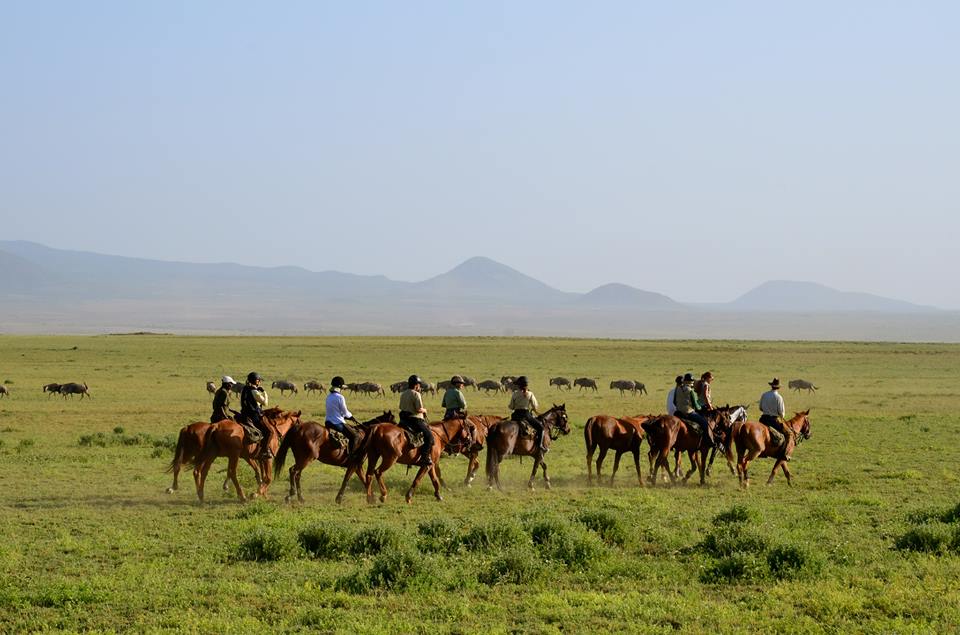
The wet season doesn’t mean Tanzania is completely off-limits as a safari destination, despite the dry season being primarily considered as the popular and ideal season to visit Tanzania for safari tours.
Tanzania is a year-round Tanzania safari destination, so even if it rains during the wet season, you’ll still have a great time there. Additionally, you get to take advantage of several advantages that would not be accessible during the dry seasons. For instance, going during the rainy season results in cheaper lodging, fees, and occasionally even international flights.
Why should you travel to Tanzania when it’s raining? Here are five reasons why you might find what you’re looking for during the wet season.
- Vibrant colors against the green
The stunning environment during the dry season has animals that have learned to blend in with the land’s umber and brown tones. It appears to be a classic safari sight, with animals meandering slowly through the dry grassland. However, the situation is reversed during the wet season. Who doesn’t enjoy the calming shades of green that are teeming with creatures of various kinds and colors who are grazing, running, and hiding in them?
The wet season’s beautiful dream that the game reserves for you comprises lush vegetation being chewed on lazily by some of the most exotic species known to man. The season when animals congregate to drink, mate, and give birth to their darling young close to swollen rivers and thick savannah grass is some of the most spectacular times to visit national parks.
- Fewer people
Since most visitors to Tanzania’s magnificent parks, including the Serengeti Safari Park, Mount Kilimanjaro, Zanzibar Island, and Ngorongoro Crater, come during the dry season to enjoy the hot sun and dry lands, the wet season offers a better opportunity to get up close and personal with the animals. This enables you to have the experience to yourself over the great green vistas and better connect with the wildlife.
- Spend less
Prices are typically substantially higher during the dry season because that is when most tourists book safaris. Spend less money on your safari in Tanzania during the wet season and you can still have a wonderful experience. By the way, this also applies to reservations for hotels and overseas trips.
- Birds and young animals abound
The gorgeous flock of birds that rule the African skies during the wet season may be seen as well as the lush plants and bushes. This is the perfect time of year if you love birds. It’s also the best time to travel to Tanzania if you’re fascinated by young animals because this is the time of year when most of them are born in the wild, like the wildebeest that calf on the Serengeti’s short-grass plains around this time of year.
- The Best Pictures
It goes without saying that photographs taken during the wet season are exceptional, including vibrant colors, animal interaction, and fascinating landscapes. As a photographer, you cannot help but be captivated by the seemingly endless possibilities this season offers you, 5 Reasons to Choose the Wet Season for your Tanzania Safari
WHERE TO VISIT IN TANZANIA DURING THE WET SEASON
Serengeti National Park.
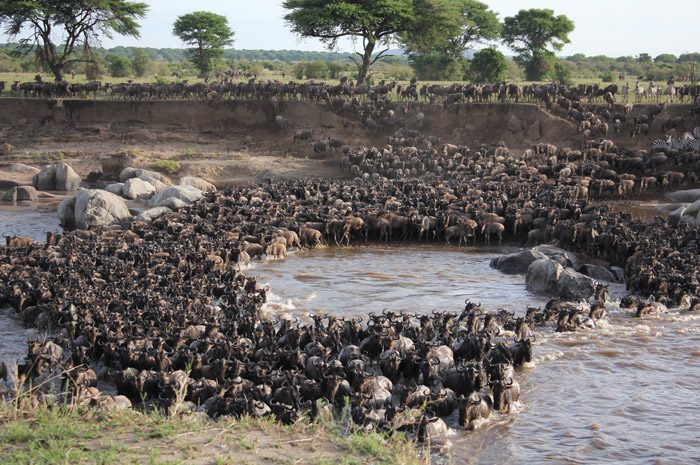
The Serengeti National Park is made up of large plains and the lush vegetation that the rains have brought about, which the animals then graze on. It is well-known for the annual Great Migration that takes place in the Serengeti-maasai mara habitat, albeit you have to be in the right position at the right time to see it. If you arrive between the brief dry season and the wet season (February to early March), you might still be able to witness the breathtaking calving season of the migrating herds. If you enjoy watching birds, you’ll be happy to learn that the park is home to a variety of different bird species throughout the wet season from March to April.
Ruaha National Park
Wild dogs can be found in huge numbers in Ruaha National Park. Even though the dry season is the best time to visit the park to see the wildlife, Ruaha nevertheless offers breathtaking scenery in the wet season. The rich vegetation also provides some beautiful photographic settings. The best time to watch birds in Ruaha is during the wet season, when you can see both migratory and native bird species.
Lake Manyara National Park
Because of the plentiful water during the rainy season, Lake Manyara National Park is teeming with life and offers stunning landscapes for outdoor enthusiasts. The park offers year-round good wildlife watching and is typically less popular and more affordable during the rainy season. Swimming, canoeing, taking pictures, riding horses, cycling, participating in cultural events, going on safari walks, and cycling are just a few of the extra safari adventure activities you may take part in within the park. The good news is that Lake Manyara National Park is fairly accessible and is perfect for one-day safari tours because it is only about an hour and a half’s drive from Arusha city.
Ngorongoro Conservation Area
The Ngorongoro Conservation Area has its first rains between November and May, making this one of the ideal times to visit, particularly if you enjoy bird watching. Even though the area’s wildlife is typically dispersed during this time of year, you can still see a few of them on game drives and nature walks. Additionally, the extensive, dense greenery provides some incredible photo opportunities. It makes sense why the Ngorongoro National Park is frequently referred to as Africa’s Garden of Eden, 5 Reasons to Choose the Wet Season for your Tanzania Safari
“To sum Up, Don’t allow the wet season to prevent you from organizing your Tanzania safari, Contact Focus East Africa Tours today to talk about your Tanzania safari plans, and we’ll be happy to work with you to ensure that only the best locations are included in your Tanzania vacation itinerary”.