
Katavi National Park Ecosystem : Tanzania harbours four circuits of tourism namely the famous Northern Circuit, Eastern Circuit, Southern Circuit and the Western Circuit. Most visitors who come to Tanzania, know much about the Northern Circuit since it hosts the world-famous parks like Serengeti, Kilimanjaro, Tarangire, Lake Manyara, Arusha and the spectacular Ngorongoro Crater. However, Western Circuit is also home to spectacular destinations like Katavi National Park, Gombe Stream National Park, Lake Tanganyika, Lake Rukwa, Rubondo Island, Saanane Island, Burigi Chato and Mahale Mountains National Park.
Katavi National Park is one of the must-visit parks in the western regions of Tanzania. It lies between Katavi and Rukwa regions of Tanzania. It is well known for being home to largest population of Cape buffalos. These giant wild bulls are usually spotted in open grasslands and floodplains. Katavi National Park hosts large number of seasonal swamps and lakes which are homes to the black hippos and Nile crocodiles.
Katavi National Park was established as a national park in 1974 and was only 2200 square kilometres in size. In 1997, 2271 square kilometres were added to make it 4471 square kilometres in size and in 1998 it was named as Katavi National Park. It is the third largest national park in Tanzania. It was named after Katabi, a local legendary hunter said to be buried in this park. According to Wabende (locals residing Katavi region), Katabi was exceptional hunter and was buried in a tamarind tree close to Lake Katavi. Visitors pay tribute to this legend by giving offerings to the tamarind tree.

Katavi National Park can be accessed by air and road. You can book a chartered flight from Arusha to Katavi airstrip. Domestic flights from Arusha and Dar es Salaam take up to three hours. Chartered flights from other parks like Serengeti, Kilimanjaro, Tarangire, Lake Manyara, Mkomazi and Nyerere National Park. From anywhere in Tanzania, you can travel by using private or public transport and stop by Mizengo Pinda Bus Terminal or drive directly into Katavi National Park. A common drive is from Mbeya region which is 550km.
The best time for visiting Katavi is during the dry season which start from June to October. Unlike other parks in the Northern Circuit, Katavi National Park is warm all year round with daily temperatures of 32 degrees and nights being at 20 degrees. During November to April, the temperatures range from 32 degrees in the day time and 21 degrees in the night. These times are best for birdwatchers. European and Asian migratory birds are in their breeding season. They settle and nest temporarily for bringing up their young ones.
The ecosystem of Katavi National Park is mainly made up of Katisunga Plain, small rivers and swampy lakes, low-lying seasonal lakes, floodplains, stunning vegetation and most diverse wildlife.
Katsunga plain; It is a second vast, breath-taking plain in Tanzania after Serengeti. It is about 425 square kilometres in size and it is found in the heart of the park. Visitors prefer to name it a “small Serengeti”. This vast plain is mainly made up of grass and short shrubs. It hosts many herbivores like buffalos, antelopes, zebras, gazelles, elephants, elands and warthogs. A game ride through this plain will reward you with the spectacular views of wildlife.
Katuma River; This is largest river flowing through Katavi National Park. It has a network of tributaries, channels and swamps. Its main source of water is seasonal swamps and lakes. Katuma river is home to majestic hippos and Nile crocodiles. Riverine forests harbours colourful birds and beautiful primates like colobus monkeys and other stunning wildlife which accumulate during the dry season.
Floodplains; Katavi National Park is dominated by three large floodplains linked by Katuma River. These plains are flooded by heavy rains during wet season thereby making them appear as seasonal swamps. They boast large number of wild animals especially herbivores during dry season. Floodplains are evergreen during the dry season thus attracting a large number of animals which are in the search of pasture and water. Large herds of buffalos are frequently encountered in these floodplains. Floodplains dry up during dry season and wildlife gathers at remaining water while hippos gather in muddy pool.
Seasonal lakes and swamps; Some remarkable seasonal lakes like Chada, Katisunga and Katavi are found in Katavi National Park. These low-lying seasonal lakes host magical hippos and crocodiles. They are tremendous places for taking pictures, Katavi National Park Ecosystem.
Incredible vegetation; Katavi National Park is mainly made up of attractive vegetation which is made up of Miombo trees (a Swahili word for ‘baobab’). Lush forests made of acacia woodlands.
Diverse wildlife; Forget about the floodplains, Katsunga plain and other magical natural features found in the ecosystem of Katavi National Park, this park is highly concentrated with diverse wildlife. You are guaranteed to see animals like Cape buffalos, zebras, wildebeests, giraffes, elephants, cheetahs, wild dogs, hyenas, lions, leopards, moose, topi, hartebeests, defassa waterbucks, elands, jackals, roan and antelopes. You will also view the mighty hippos and wonderful crocodiles in the Katuma River and in the seasonal swamps and lakes.
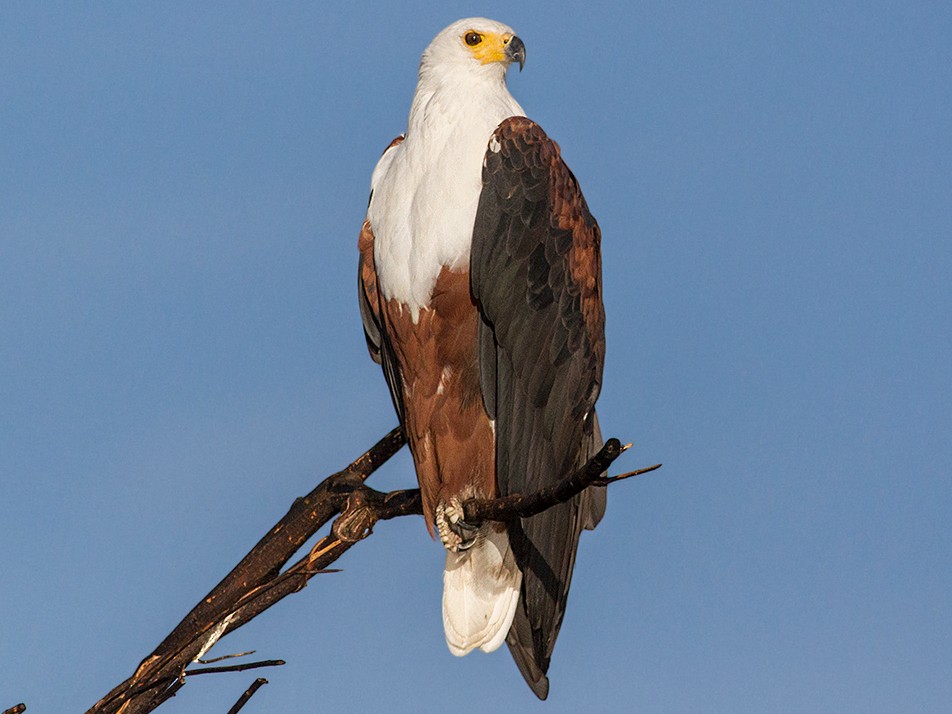
Superb birdlife; Katavi is endowed with over 400 bird species. If you are not a fan a watching birds, you will probably be one after your trip to Katavi National Park. Beautiful birds reside this park including open billed stork, lilac breasted roller, African fish eagle, crested barbet and saddle billed stork. Apart from these birds, European and Asian migratory also become temporary residents of Katavi during breeding season.
Why you should visit Katavi National Park? There are some many activities that make Katavi National Park an off the beaten track destination for safari lovers. Here are some things to do at Katavi;
Game rides; The Katavi’s ecosystem is endowed with breathtakingly beautiful animals. These wonderful creatures are frequently encountered in the splendid floodplains, grasslands and gorgeous riverine forests. You can do a morning or afternoon game ride. A morning game ride is best as it rewards the marvellous scenes of animals and birds in their inactive state. You will get a perfect picture of animals sunbathing in open grasslands and birds singing beautiful hymns before going so far away for food. Largest herds of Cape buffalos along with warthogs are frequently spotted in the savannah grasslands and in the spectacular Katsunga plain. African giants (African elephants) are frequently sighted feeding on woodlands and shrubs in shallow woodlands in the vast Katavi National Park. Colourful singing birds are usually spotted nearby their nests in the morning. Listening to their songs or even record their hymns can be a historical and memorable you ever done in your trips. You can’t skip mentioning a ride to the seasonal swamps, lakes and rivers where you can witness hippos and crocs.
Nature walks; Katavi is an unspoilt piece of land in Tanzania. Due to small number of visitors paying trip to this park, most of its Mother Nature is virgin. Walking through these mysterious features would be a fantastic thing to do in your trip. An armed ranger will accompany you to protect you from aggressive animals like isolated buffalo bulls, Big Cats and other dangerous animals. You will also explore other wonderful things which are not visible on a game ride. Reptiles, small mammals and unique trees can be observed well on a walking safari. You can also walk through seasonal swamps like Katavi and Chada.
Birding; When it comes to avian species, Katavi is a birds’ paradise in the Western part of Tanzania. It is home to sedentary birds like hoopoe, vultures, secretary bird, superb starling, fish eagles, barbet, weavers, paradise flycatcher and storks. Plenty of beautiful water birds are always encountered in the seasonal lakes, swamps, rivers and water channels. Don’t forget to carry a pair of binoculars from your camp during your birding safari. A high resolution camera is also worth carrying during this safari. For an unforgettable birding safari at Katavi, consider planning your trip between November and April during which most birds are in the breeding season thus becoming less migratory, Katavi National Park Ecosystem.
Offering a tribute to Katabi, the mysterious hunter; It is unclear on the existence of Katabi but the Wabende tribe believe that, this man was a super hunter in the Katavi. As I said earlier, Katavi National Park was named after him. Elders of the Wabende tribe pay a tribute by giving offerings to a tamarind tree where they believe he was buried there. Whether a myth or true story, this event always interest so many visitors who find it funny to be part of the companion offering a tribute to the great Katabi.
Where to stay at Katavi National Park?
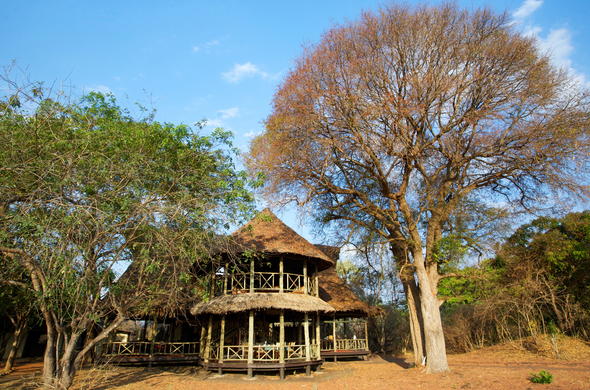
The type of accommodations you will be staying at Katavi depends on your budget. There are accommodations for budget travellers as well as luxurious visitors. If you want to stay inside the park, you should be informed of concession fees for hotels and tented camps. Non-East African citizens and expatriates of or above the age of 16 years are charged a concession fee of 30 USD while children aged between 5 and 15 years are charged a fee of 10 USD.
Be aware of public and private campsites found inside Katavi National Park. A public campsite fee is 30 USD for non-East African citizens of or above 16 years and 5 USD for children aged between 5 and 15 years. A fee for a special campsite is 50 USD for non-East African citizens of or above the age of 16 years and 10 USD for children aged between 5 and 15 years.
World-class accommodations are also available in Katavi. Some of them include Chada Katavi Tented Camp, Katavi Wildlife Camp and Mbali Mbali Katavi Lodge. They offer walking safaris, sweet local cuisines, drinking bars and many other services.
A trip to Katavi National Park is fantastic and inevitable one. This one is unique as it will leave you with uncountable stories to tell to your friends once you are back home. It is easier to book this trip. Plan your budget and make a trip to Katavi. I can assure that; you won’t regret taking it. Good luck!