
History and culture in Zanzibar
History of Zanzibar: Zanzibar is an archipelago off the coast of Tanzania and is found on the Indian Ocean. This island is influenced by a mix of different cultures of the Arabs, Persians, Indians, Portuguese, and the British.
Arab influence on the island of Zanzibar can be seen during the bazaars held on the island. There are two main islands of Zanzibar, which include Pemba and Unguja. Many other islands can be visited during a trip to Zanzibar, which are inhabited and where resorts are also found, providing a quiet, serene beach holiday experience along the white sand beaches and waters of the Indian Ocean.
The island is also famous for its spice plantations, which can be visited during tours on Zanzibar Island. Spices such as cloves, nutmeg, cinnamon, cardamom, turmeric, black pepper, among others, are grown on the island as well as various tropical fruits. During the spice plantation visits, tourists enjoy getting to know more about the spices and their uses.
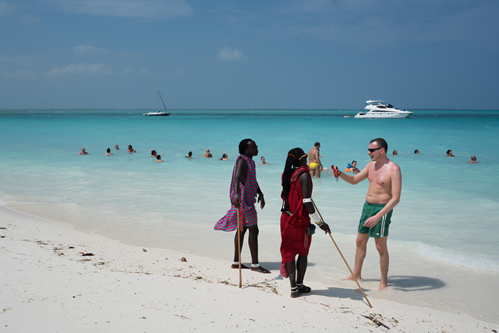
Apart from the Spice trade, Zanzibar has also benefited from tourism, as many tourists explore the white sand beaches found on the different parts of the island such as Kendwa, Paje, Nungwi, Jambiani, Kizimkazi, Matemwe, Kiwengwa and many others.
A tour through the winding alleyways of Stone Town is another unique experience carried out while on the island. Some of the places that are visited during a Stone Town tour include the House of Wonders, the palace museum, the ancient slave market, and many other destinations.
Stone Town is a destination in Zanzibar that portrays the rich history and culture of the island through its architecture and so much more that is experienced while exploring the town in the company of a local guide. This town is also a UNESCO World Heritage Site.
The unique architecture of buildings around Stone Town includes open arched rooms, carved wooden doors, raised terraces, circular towers, as well as buildings made of coral stone. From Stone Town, the call to prayer can be heard, as the population of Zanzibar consists mostly of a Muslim society.
Zanzibar also has a Christian population as well as the Hindu and other religions, although about 90% is Muslim. The language spoken on Zanzibar Island is Swahili, and other languages spoken on the island include English, Gujarati, Hindi, Urdu, and many other local languages.
The way of dressing of the locals in Zanzibar is also conservative, and the women cover their bodies from head to toe. It is therefore advised that tourists on vacation on the island respect the locals by dressing decently in public places.
Another unique aspect of the culture of the people of Zanzibar is henna, which is applied to the body and also hair. Henna is used to decorate the body and is applied in different patterns on the body, such as floral patterns made on the hands and feet. It is also applied during ceremonies such as weddings, where it is applied on the bride for luck and also as a way to bless the marriage.
The culture of Zanzibar can also be experienced through the diversity in the cuisines of the island, with an added flavor of the local spices of the island, and these dishes include seafood, Zanzibar pizza, Mchuzi wa pweza, Ugali, Pilau rice, biryani ya Zanzibar, Ndizi Kaanga, Date nut bread, coconut bean soup as well as many tropical fruits like coconuts.
The various foods of Zanzibar can be tasted at the many resorts on the island, and various foods are also sold in the streets and in markets where tourists get to explore stalls with a variety of local foods and tropical fruits and local crafts such as jewelry, sculptures, among other items.
Several activities are carried out during tours on Zanzibar Island, and these include snorkeling, swimming, boat rides, scuba diving, cultural experiences, nature walks, beach walks, among others.
The type of climate on Zanzibar is tropical and humid and experiences both rainy seasons and dry seasons. The type of vegetation on the island consists of thicket vegetation, corals, as well as an evergreen forest.
The History:
Zanzibar is a destination that, apart from being a popular safari destination, has a rich history. The island has been inhabited for over 20,000 years.
Arab traders also lived on the island during their trade, and they settled in Stone Town, which was a point from which they conducted their trade with other towns in the East African coastal areas.
The Portuguese also settled on Zanzibar Island from 1503 to 1698, and after their influence on the island, the sultans of Oman took over Zanzibar around 1698, and they introduced cash crops and the growing of spices on the island.
Other items traded on the island included ivory brought from the mainland. The slave trade also took place under the rule of the Arabs, with Zanzibar as a major place where the Arab slave trade took place.
The sultan controlled the slave trade along the East African coast. The British took over the rule in the 19th century, and they abolished the slave trade, and Zanzibar became a British protectorate.
Around 1963, Zanzibar gained its independence from the British, and after about a month, there was a revolution on the island, which led to the killings of many Arabs and Indians on the island and led to the establishment of the Republic of Zanzibar and Pemba.
Later, the island joined with the mainland of Tanganyika, and it came to be known as the United Republic of Tanzania. Zanzibar Island is currently a popular vacation spot after safaris on the mainland, and it provides the perfect beach escape.
How to get to Zanzibar Island
Zanzibar Island can be accessed by flight and also by ferry from Dar es Salaam. The airport in Zanzibar is known as Abeid Amani Karume International Airport and was formerly known as Zanzibar International Airport.
Visit Zanzibar and explore the white sand beaches and relax as you enjoy views of the turquoise waters.