
Bird Watching in Queen Elizabeth national park
Bird Watching in Queen Elizabeth national park : Uganda is among the most well-known birding destinations in the whole of Africa. It has a diversity of bird species, a number of which are not easily spotted in any other part of the African continent. There are several birding destinations in the country, and these have certainly made Uganda one of the finest birding paradises. There are more than 1010 bird species, all of which you certainly enjoy on a Uganda safari. The various National parks within Uganda are actually the biggest habitat for most of the bird species in the country. As you take time to marvel at the spectacular birds, you will certainly come across a diversity of additional wildlife that will turn your bird-watching safari into a very memorable encounter. The most ideal time to spot these birds is actually early in the morning as well as late in the evening.
Birding in Queen Elizabeth uganda
Queen Elizabeth National park boosts in an excess of 550 species of birds that have actually made it a charming destination for guests that love watching birds. The park is situated in Rukungiri district in southwestern Uganda covering a total land area of 1 978 sq km. The park is located at an altitude ranging from 900 meters near Lake Edward to 1,845 meters at the peak of the eastern escarpment of the western Rift Valley. It has a home of average altitude – moist semi-deciduous forest, rivine bush-land, moist thicket and riparian forest. Among the bird habitats offered in this national park are open woodlands, rivers, open grassland, seasonal lakes, and permanent swamps.
There are several aquatic birds such as the White-faced Whistling, Spur-winged Plovers, Squacco Heron, Fish Eagle, Pink and white backed Pelicans, Long tailed Cormorants, African Jacana, Yellow backed Weavers, open-billed Stork, Water-Thick knee, Pied kingfishers, Wattled Plovers, the Black Crake and the Knob-billed Ducks along the impressive Kazinga Channel in the park.

Additional prominent species include the malachite, black-ramped buttonquail, Collard Pranticles, papyrus canary, verreauv’s eagle-owl, black bee-eater, squacco heron, African fish eagle, swamp fly-catcher, long-tailed cormorants, Martial Eagle, Black- rumped Buttonquail African Skimmer, White winged terns, White-winged Warbler, shoebill, African skimmer, Verreaux’s Eagle-owl, Grey-headed kingfisher, papyrus gonolek, Papyrus Canary, and the thin-tailed Nightjars; these are normally also heard in the morning echoing in the tree branches
Taking a hike down into the verdant gorge will unveil to you a diversity of the forest species among which are the Grey Wood pecker, black & African Emerals Cuckoos, Hairy breasted Barbet, speckled Tinker bird, the purple-headed starling as well as the Green Hylia even though these are also commonly seen within the Maramagambo forest. The good-looking, white-spotted fluff tail is plentiful within thickets by the riverside. Listen in damp grassland close to the verdant gorge, for the far stretching, metallic twink echo of Broad-tailed Warbler.
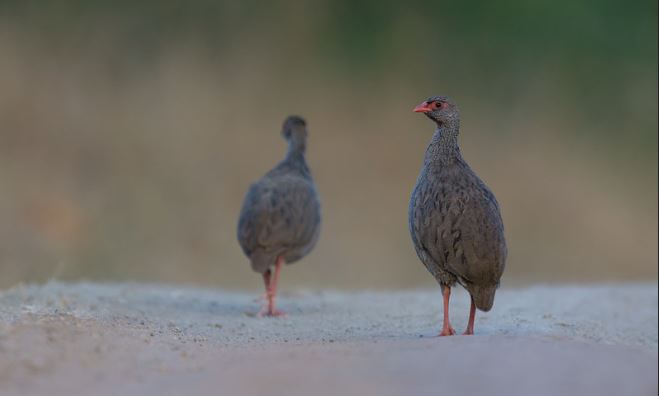
Best time for bird watching in Queen Elizabeth National Park
The finest time to enjoy bird-watching safaris in Queen Elizabeth is from December up to February. It is recommended to take a two-day or three-day bird watching safari, during which you can spot more than half of the 550 species recorded in this park.