


Walking Safaris in Africa: Safety, Experiences and Hiking Adventures in East Africa
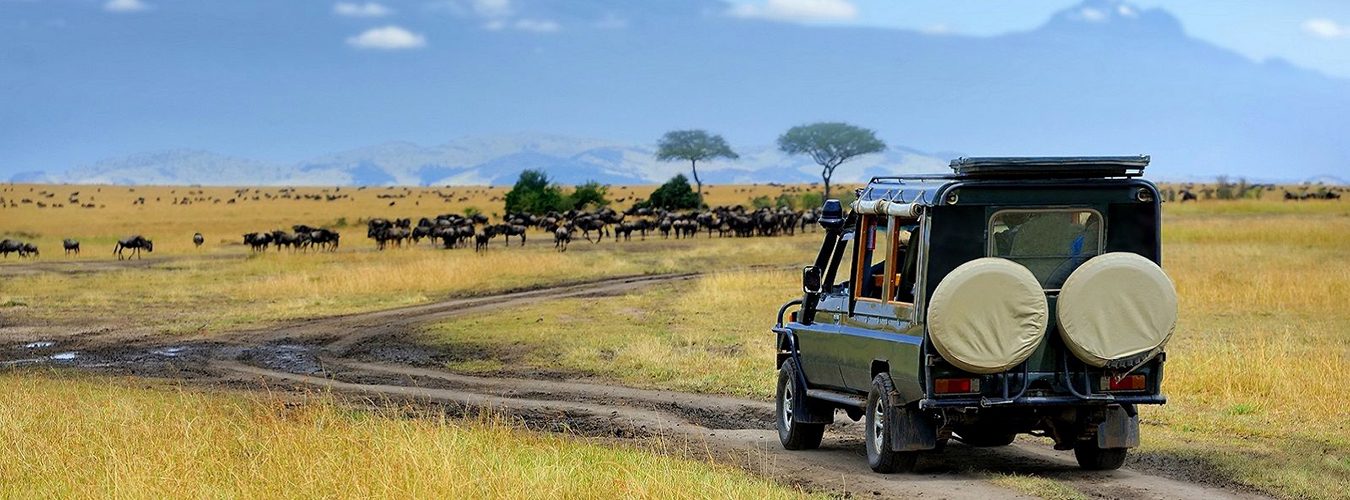
Hiking and walking safaris with Focus East Africa Tours offer an immersive way to experience the African wilderness. Instead of viewing wildlife exclusively from an open safari vehicle, you explore the landscape on foot, accompanied by experienced guides who help you understand the tracks, plants, birds, insects, geology, and other signs of the wilderness around you.
A walking safari gives you a different perspective from a conventional game drive. You become more aware of the sounds, scents, terrain, and smaller details that can easily be missed from a vehicle. Depending on the destination and type of walking experience, you may encounter wildlife at a distance, discover animal tracks, explore forests and volcanic landscapes, or walk through communities and scenic countryside.
Safety of Walking Safaris in Africa
One of the first questions many travelers ask before booking an African walking safari is: Are walking safaris safe?. The answer is that walking safaris can be very safe when they are properly planned and conducted under the supervision of qualified, experienced guides and local wildlife authorities.
However, a walking safari is different from a game drive because you are moving through a natural environment on foot. Wildlife, terrain, weather, altitude, insects, and other natural conditions must therefore be taken seriously. The Safety of Walking Safaris in Africa depends on several factors, including the destination, type of walking safari, wildlife in the area, trail conditions, weather, group size, and the experience of the guiding team.
For example, a guided walking safari in a national park is not simply a matter of getting out of a vehicle and walking toward animals. Professional guides assess the surroundings, understand animal behavior, choose appropriate routes, and provide instructions about how guests should behave in the wilderness.
At Focus East Africa Tours, we also provide travelers with important information before their hiking or walking adventure so they can prepare appropriately for the destination and activity.
Are Walking Safaris Safe Around Wild Animals?
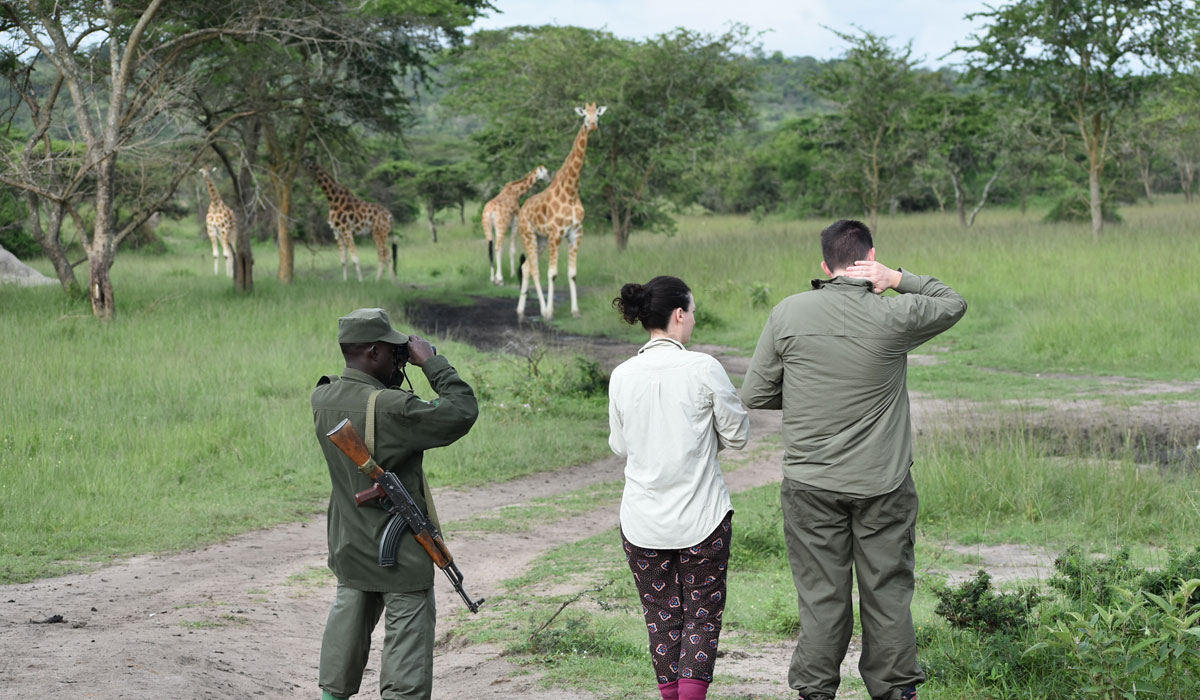 If you are wondering, “are walking safaris safe?” because you are concerned about encountering lions, elephants, buffaloes, or other potentially dangerous wildlife, it is important to understand that responsible walking safaris are designed around wildlife awareness and safety rather than close or reckless encounters.
You should never attempt to approach, touch, feed, photograph from dangerously close distances, or otherwise disturb wild animals. During a guided walking safari, your guide determines how the group moves and where and when it is appropriate to stop and observe.
Focus East Africa Tours offers guided walking experiences in Tanzania where travelers can explore the wilderness on foot with professional guides and, where required by the destination, wildlife rangers. For example, our walking safari in Tarangire National Park combines a guided walk with conventional game viewing, giving travelers different ways to experience the park.
We also offer walking experiences in destinations such as Nyerere National Park, where guided walks form part of selected safari itineraries. The most important rule is simple: listen to your guide and follow instructions at all times. Do not wander away from the group or make independent decisions about approaching wildlife.
What Makes a Walking Safari Different?
A traditional game drive allows you to cover large distances and search for wildlife from a safari vehicle. A walking safari is slower and more focused.
On foot, your guide can explain things such as:
- Animal tracks and footprints
- Droppings and other signs of wildlife
- Different plants and their traditional uses
- Birds and their calls
- Insects and smaller creatures
- Geological formations and volcanic landscapes
- Local culture and traditional ways of life
- How animals interact with their environment
This makes a walking safari particularly rewarding for travelers who want more than simply photographing the Big Five.
We also combine walking experiences with game drives, cultural encounters, and other activities in selected itineraries. Our guide to planning an East Africa vacation safari highlights walking safaris, hiking, wildlife viewing, and other ways to explore the region.
Hiking and Walking Safaris Across East Africa
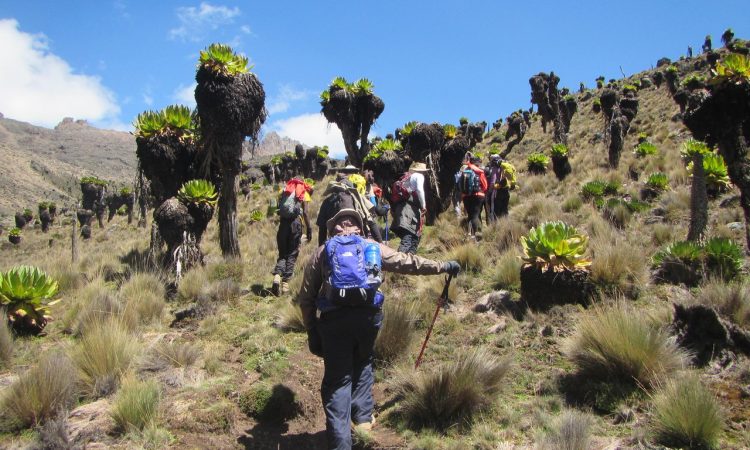
East Africa is particularly well suited to hiking and walking adventures because of its remarkable geological and ecological diversity. Volcanic activity has shaped many parts of the region, creating mountains, valleys, hills, volcanic landscapes, forests, and dramatic highland scenery.
We operate safaris and hiking experiences across Tanzania, Kenya, Uganda, Rwanda, and the Democratic Republic of Congo, with activities ranging from shorter walks to challenging multi-day mountain adventures. We offer hiking safaris in different East African destinations, including Kilimanjaro and Rwenzori.
Mount Kilimanjaro Hiking Safaris
For travelers looking for a major hiking challenge, Mount Kilimanjaro in Tanzania offers one of Africa’s most iconic mountain experiences. Focus East Africa Tours provides several Kilimanjaro routes, including Machame, Marangu, Rongai, Shira, Umbwe, and Northern Circuit options.
Explore our Mount Kilimanjaro hiking and safari packages to compare different routes and the required number of days.
Kilimanjaro hiking is different from a wildlife walking safari. The primary safety considerations include altitude, weather, fitness, hydration, pacing, and acclimatization rather than close encounters with wildlife. Choosing an appropriate route and allowing sufficient time for the ascent are important parts of preparing for the climb.
Our guide to the best routes for hiking Mount Kilimanjaro provides further information about route difficulty, scenery, traffic, and recommended hiking times.
Mount Rwenzori and Uganda Hiking Safaris
Uganda provides another exceptional setting for hiking adventures, particularly in the Rwenzori Mountains. The Rwenzori range is known for its dramatic high-altitude landscapes, forests, valleys, and glacial peaks. Our tours include Uganda safari and hiking experiences, and we also offer hiking safaris involving the Rwenzori Mountains.
Uganda is also home to Mount Elgon and other scenic hiking destinations. The country’s diverse landscapes make it possible to combine hiking with wildlife viewing, cultural experiences, primate trekking, and other safari activities.
Mount Kenya Hiking Safaris
Kenya’s Mount Kenya is another outstanding destination for hikers. The mountain has several established routes, including Sirimon, Chogoria, Naro Moru, Burguret, and others. Travelers can combine mountain hiking with wildlife experiences through Kenya safari packages, including itineraries that feature Mount Kenya alongside destinations such as Lake Naivasha and the Maasai Mara.
Rwanda and Volcanic Hiking
Rwanda’s volcanic landscapes provide another opportunity for travelers who want to combine hiking with a broader East African adventure. Focus East Africa Tours offers Rwanda safari and trekking experiences, including hiking and primate-focused itineraries. For visitors interested in combining a hike with gorilla or chimpanzee trekking in Rwanda and Uganda can be particularly rewarding additions to an East African itinerary.
Preparing for a Safe Walking Safari
Good preparation is one of the most important parts of the Safety of Walking Safaris in Africa. Before traveling, make sure you understand the difficulty and duration of your chosen activity.
Depending on the itinerary, preparation may include:
- Wearing comfortable, sturdy hiking shoes
- Carrying sufficient drinking water
- Using appropriate sun protection
- Wearing lightweight, breathable clothing
- Carrying rain protection where necessary
- Bringing insect repellent
- Following recommended fitness preparation
- Informing your tour operator about relevant physical limitations
- Following all guide and ranger instructions
- Staying with the group throughout the walk
The appropriate equipment varies considerably between a short nature walk, a savannah walking safari, and a high-altitude mountain trek. Focus East Africa Tours advises guests on the equipment and clothing required for their particular safari or hiking itinerary. The company’s general safari guidance also notes that clothing and equipment requirements depend on the destination and activities involved.
Professional Guides Make a Difference
A knowledgeable guide is one of the most important elements of a successful walking safari. Guides help travelers understand the environment while also managing the practical areas of moving safely through unfamiliar terrain. We work with a team of experienced local professionals with knowledge of East African safari destinations and adventure activities to guide you through successful treks.
For certain wildlife walking experiences, a trained wildlife ranger may also accompany the group. On one of our Nyerere walking safari itineraries, for example, the walking experience is conducted with a trained game ranger. This combination of local knowledge, professional guiding, and appropriate preparation helps travelers enjoy the wilderness without treating it like an ordinary hiking trail.
So, Are Walking Safaris Safe?
Are walking safaris safe? Yes, when you choose a reputable operator, use experienced guides, follow wildlife regulations, prepare appropriately, and respect the instructions given during the walk.
No wilderness experience is completely without risk, and it would be misleading to suggest otherwise. Africa’s wilderness is home to powerful wild animals and challenging natural environments. The purpose of professional guiding is to identify and manage those risks rather than eliminate the wild nature of the experience.
For travelers who want to experience Africa beyond the window of a safari vehicle, a guided walking safari can be an unforgettable adventure. You experience the wilderness at a slower pace, learn to recognize the subtle signs of wildlife, explore landscapes inaccessible to vehicles, and develop a deeper appreciation for East Africa’s natural environment.
Whether you are interested in a short guided nature walk, a multi-day hiking adventure, Mount Kilimanjaro, Mount Kenya, the Rwenzori Mountains, or a combination of hiking and wildlife viewing, Focus East Africa Tours can help you plan an itinerary suited to your interests, experience, fitness level, and preferred destination.
Ready to experience East Africa on foot? Explore our hiking safaris and tailor-made African trips to create a walking or hiking adventure around the East African destination you want to discover.
