
Matheniko Game Reserve is situated in Karamoja with an elevation between 1,070 and 1,830 meters above sea level. The reserve is situated in the Karamoja subregion of Uganda in the northeastern part of the country. The Matheniko Game Reserve stretches through Bokora, from Pian Upe Game Reserve to the Wildlife Reserve to Kidepo Valley National Park.
Matheniko Game Reserve stands as the 5th most threatened conservation area in Uganda; the reserve is characterized by semi-desert Savannah grasslands and shrubs in the Somalia-Masai ecoregion. The Matheniko Wildlife Reserve covers an area of 1,520 kilometers squared; the reserve’s landscape is covered by red spice thorns, Harisonia Abyssinia, bushwillows, and red acacia.
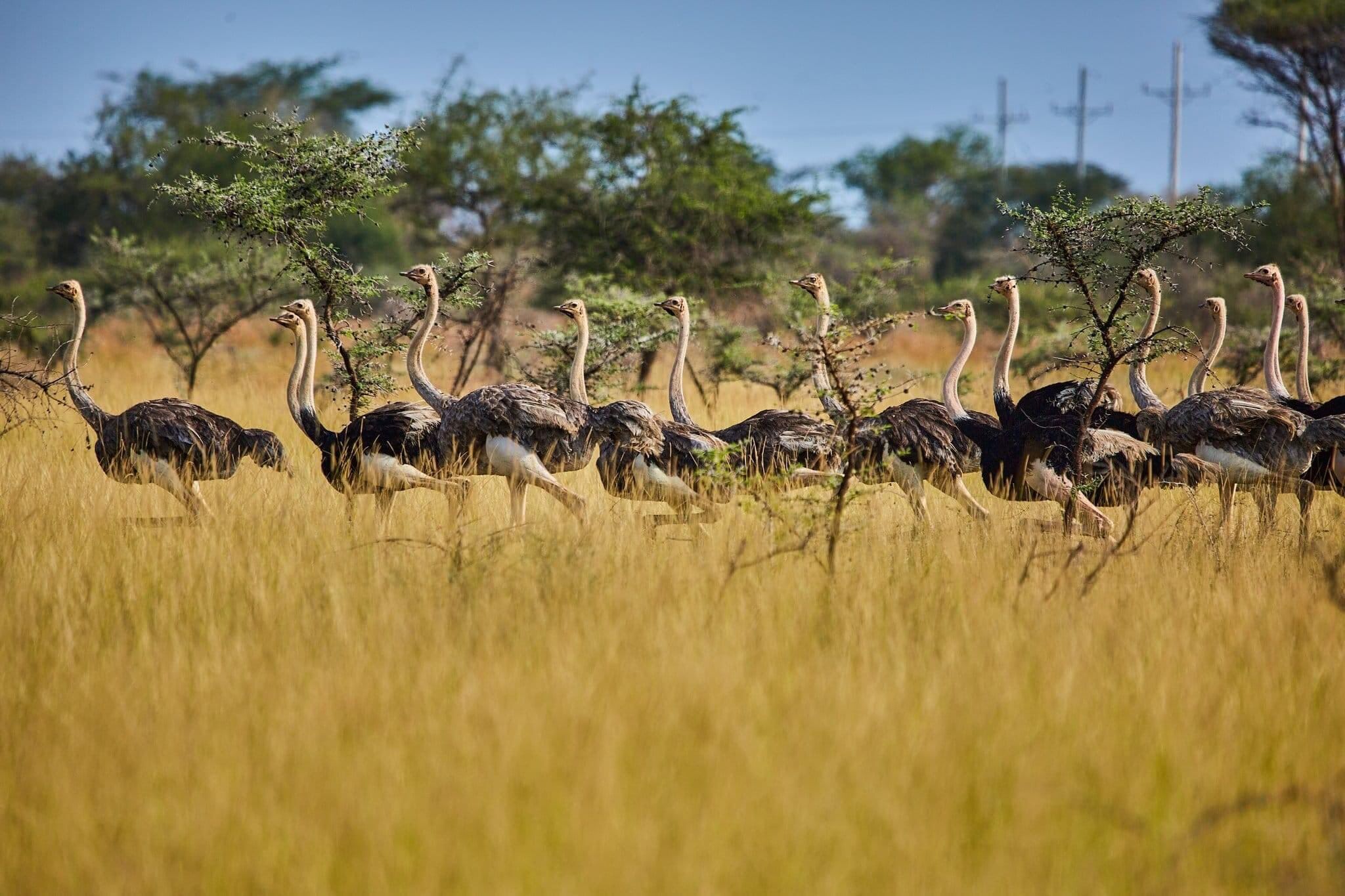
Matheniko Wildlife Reserve also has historical sites dating back to over 3000 years ago, and it’s believed that the Kushites and Nilotics are responsible for the rock paintings. The reserve boasts the world’s largest bird, known as an ostrich.
Matheniko Wildlife Reserve received an annual rainfall of about 670 milliliters per year; its location in one of the most remote areas in the country makes it less visited and less developed. The Uganda Wildlife Authority that manages the reserve sought bidders in a campaign to raise funds for the construction of a facility in the reserve. The northeastern boundary of the reserve lies on the Ugandan-Kenyan border.
Matheniko Wildlife Reserve boasts large species of animals that tourists can encounter during game drives. Some of the animals tourists will come across are different types of antelopes, such as roan antelope, reedbucks, lesser kudus, Bright’s gazelle, waterbucks, blue duikers, oribis, Ugandan kobs, and Bohor redbucks. Other animals are elands, servals, striped hyenas, spotted hyenas, wild cats, civets, cheetahs, and jackals. There are also primate species such as patas monkeys, olive baboons, and vervet monkeys.
Matheniko Wildlife Reserve is also a birder’s paradise, with some of the rare birds you can observe in Uganda while on Uganda wildlife tours. some of the birds at the reserve are residential, while others are migratory birds Examples of birds that can be found are Clapperton’s francolin, Verreaux’s eagle, Abyssinian ground hornbill, thick-billed honeyguide, Hartlaub’s turaco, African hill babbler, pygmy falcon, bronze-naped pigeon, mountain yellow warbler, Egyptian vulture, black-throated wattle-eye, grey cuckoo-shrike, lemon dove, black-headed plover, red-billed woodpecker, cattle egret, dusky turtle dove, and the Ethiopian swallow, among the rest.
To make one’s safari more memorable, tourists can also visit the people. The Karamojong have very unique cultural values and traditions that you would love to encounter. The nomadic pastoralists mainly depend on cattle keeping. Tourists can learn about their ways of life and also their exceptional ways of dressing. Tourists can acquire handicrafts to take back home for remembrance.
For a more fun-filled wilderness experience, tourists must always include Kidepo Valley National Park on their itinerary when visiting the Karamoja region.
The best time to visit Matheniko Wildlife Reserve is in the drier seasons, as the roads get muddy and sometimes impassable during April-May and in November when there is rain. The peak season is June to September and December to January.
Accommodation at the Matheniko Wildlife Reserve is limited to bandas, and public campsite tourists can, however, sleep in any hotels in Moroto or Kotido towns.